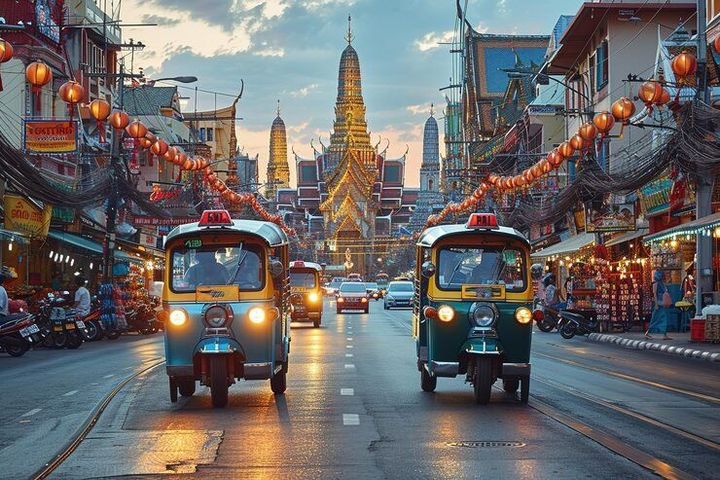
Bangkok Travel Guide: Attractions, Cultural Sites, Shopping Areas, Food and Transportation
Bangkok is the capital of Thailand and a major urban center in Southeast Asia. The city combines historic temples, royal landmarks, markets, modern shopping districts, street food areas, museums, parks, and extensive public transportation. A Bangkok travel guide helps visitors understand how these different parts of the city connect and how Bangkok travel can be planned around attractions, cultural sites, shopping areas, food, and transportation.
Understanding Bangkok
Bangkok developed around the Chao Phraya River and became the capital of Thailand in the late 18th century. The river continues to influence the city's geography, transportation, neighborhoods, and cultural identity. Historic areas near the river contain temples, palaces, markets, and communities with long-established traditions.
The city is known in Thai as Krung Thep Maha Nakhon. Modern Bangkok extends far beyond its historic center and includes business districts, residential neighborhoods, universities, shopping complexes, entertainment areas, and transportation corridors.
Main Areas for Visitors
Bangkok can be understood through several broad areas. The Old Town contains important cultural and historical landmarks, while riverside neighborhoods provide access to temples and river travel. Sukhumvit is associated with modern urban development, restaurants, shopping, and rail connections. Silom and Sathorn contain business districts, hotels, parks, and access to several transportation routes.
Chinatown, known as Yaowarat, is recognized for Chinese-Thai heritage, markets, restaurants, and evening food activity. Areas around Siam and Ratchaprasong contain large shopping complexes and pedestrian connections between several commercial districts.
Importance
Why Bangkok Travel Requires Planning
Bangkok is a large and densely developed city, so attractions that appear close together on a map may require different transportation methods. Traffic can also affect road journeys, particularly during busy periods. Understanding the city's rail lines, river routes, walking areas, and road connections can make movement easier to organize.
Bangkok also brings together many forms of cultural heritage. Visitors may encounter Buddhist temples, royal architecture, Chinese-Thai traditions, traditional markets, contemporary museums, and modern urban culture within the same trip.
Cultural Awareness
Temple visits require attention to local customs. Clothing that covers shoulders and knees is appropriate for many religious locations, and visitors should follow signs or instructions regarding photography, footwear, and restricted areas. Quiet behavior is also appropriate inside religious buildings.
Food customs vary between neighborhoods and establishments. Bangkok's food culture includes rice dishes, noodles, soups, grilled foods, curries, desserts, fruit, and regional Thai preparations. Chinese-Thai and international influences are also visible in several parts of the city.
Recent Updates
Travel and Entry Changes
Thailand introduced the Thailand Digital Arrival Card, replacing the traditional paper arrival card for foreign travelers. The official system states that non-Thai nationals entering Thailand must complete the TDAC online before arrival, with submission available within three days before the arrival date. The system has continued receiving technical updates through 2026.
Thailand's visa exemption and Visa on Arrival arrangements have also changed over the 2024–2026 period. In 2024, Thailand expanded a 60-day visa exemption arrangement for nationals of listed countries and territories. In 2026, the government revised these arrangements, with the revised measures taking effect in September 2026. Eligibility depends on nationality and the applicable immigration rules.
Transportation and Weather Considerations
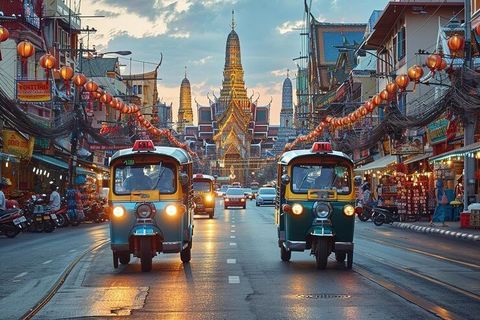
Bangkok's public transportation network includes BTS Skytrain, MRT lines, the Airport Rail Link, buses, taxis, river boats, and other road-based options. The network has continued operating as an important part of urban travel, while temporary disruptions can occur because of weather, road conditions, or other local events.
Current travel information from the Tourism Authority of Thailand notes that heavy rainfall and localized waterlogging can sometimes cause delays around Bangkok and surrounding areas. Travelers may therefore need additional journey time during periods of significant rainfall.
Bangkok's attraction network continues to include historic temples, museums, parks, markets, shopping districts, and river areas. The Tourism Authority of Thailand identifies locations such as Wat Phra Kaew, Wat Pho, Wat Arun, Golden Mountain, and Chatuchak Weekend Market among notable places in the city.
Laws or Policies
Entry Requirements
Entry requirements depend on nationality, passport type, travel purpose, and the current Thai immigration framework. Some travelers may qualify for visa exemption, while others may need a visa before traveling. The official Thai Ministry of Foreign Affairs and Department of Consular Affairs publish current eligibility information.
Because visa arrangements can change, travelers should check the applicable rules for their nationality before departure. The 2026 revisions demonstrate that previous visa information may become outdated when government policies are changed.
Thailand Digital Arrival Card
Foreign travelers entering Thailand are required to complete the Thailand Digital Arrival Card through the official immigration website. The form requests information such as passport details, travel information, and accommodation information. Submission is required within three days before arrival.
Temple and Public-Space Rules
Religious locations can have specific rules covering clothing, photography, footwear, and visitor behavior. Public transportation systems also have their own regulations concerning tickets, restricted behavior, safety, and passenger movement. Visitors should follow posted instructions and directions from local authorities.
Attractions and Cultural Sites
Historic Landmarks
Bangkok contains numerous cultural landmarks. Wat Phra Kaew, located within the Grand Palace complex, is associated with Thai royal and Buddhist history. Wat Pho is known for its large reclining Buddha image and traditional cultural associations. Wat Arun stands beside the Chao Phraya River and is recognized for its distinctive architectural features.
Other locations include Wat Saket and Golden Mountain, Wat Ratchanadda, Wat Traimit, and the Bangkok National Museum. Each site represents different aspects of Bangkok's religious, artistic, architectural, or historical development.
Markets and Neighborhoods
Chatuchak Weekend Market covers a large market area with numerous sections. Yaowarat provides an introduction to Bangkok's Chinese-Thai heritage and food culture. Sampeng Market and nearby streets are associated with wholesale-style trading, small shops, food, and Chinatown's historic commercial activity.
Shopping Areas
Bangkok includes both traditional markets and modern shopping complexes. Siam is a major urban shopping district with several connected commercial centers. Ratchaprasong and CentralWorld are located nearby, while areas around Sukhumvit include major complexes connected to BTS stations.
For a more traditional environment, markets such as Chatuchak, Sampeng, and local neighborhood markets provide different experiences. Shopping areas can vary considerably in opening hours, product selection, crowd levels, and layout.
| Area | General Character | Nearby Transport |
|---|---|---|
| Siam | Modern shopping district | BTS |
| Ratchaprasong | Large commercial area | BTS |
| Chatuchak | Large market area | BTS and MRT |
| Yaowarat | Chinatown, food and markets | MRT |
| Sukhumvit | Shopping, dining and urban areas | BTS and MRT |
| Riverside | Cultural sites and river activity | River boats and road transport |
Food and Dining
Thai Food
Bangkok's food culture includes dishes such as pad thai, tom yum, green curry, massaman curry, som tam, boat noodles, mango sticky rice, and various grilled foods. Recipes and flavors differ between neighborhoods and individual food establishments.
Street food is an important part of Bangkok's culinary identity. Yaowarat is widely associated with evening food activity, while markets and neighborhood streets provide other local eating environments.
Food Safety and Dietary Considerations
Travelers should consider food handling, personal dietary needs, allergies, and ingredient information when selecting meals. People with allergies may need to communicate their requirements clearly because sauces, seasonings, and shared cooking areas can contain multiple ingredients.
Drinking water from sealed containers is commonly used by visitors. Food and drink conditions can vary between locations, so ordinary food and hygiene precautions remain useful.
Transportation
BTS and MRT
The BTS Skytrain and MRT network connect many central Bangkok districts. These systems can be useful for reaching shopping areas, business districts, residential neighborhoods, and connections with other transportation modes.
Passengers generally need to follow the ticketing method used by the particular line or station. Maps displayed at stations can help identify routes and transfer points.
Airport Connections
Suvarnabhumi Airport is connected to Bangkok through the Airport Rail Link. Road transportation is another option, while Don Mueang Airport has different connections to the city's transportation network.
Travel time can vary significantly depending on traffic and weather. Checking the route before departure can help identify whether rail or road transportation is more suitable for a particular journey.
River Transportation
The Chao Phraya River provides another way to move around parts of Bangkok. River boats can connect areas near major riverside landmarks and neighborhoods. River travel also provides a different perspective of the city's architecture and waterfront communities.
Taxis, Buses and Walking
Taxis and buses operate throughout Bangkok, although road journeys can be affected by traffic. Walking can be practical within individual neighborhoods but may be less convenient for journeys between distant districts.
A combination of rail, walking, river transportation, and road travel is commonly useful because Bangkok's attractions are spread across a large metropolitan area.
Tools and Resources
Official Travel Information
The Tourism Authority of Thailand website provides information about Bangkok attractions, cultural locations, transportation, events, and travel conditions. It can be used alongside official government information when planning a trip.
Arrival and Immigration Resources
Thailand's official TDAC website is used for submitting the Thailand Digital Arrival Card. The Ministry of Foreign Affairs and Department of Consular Affairs publish information concerning visas and entry requirements.
Maps and Transportation Planning
Digital mapping platforms can help compare walking routes, rail connections, road journeys, and estimated travel times. BTS and MRT maps are also useful for identifying stations and transfers. Weather applications can help travelers monitor rainfall conditions that may affect road travel.
FAQs
What are the main attractions in a Bangkok travel guide?
Important attractions include the Grand Palace and Wat Phra Kaew, Wat Pho, Wat Arun, Golden Mountain, museums, markets, parks, and riverside areas. The appropriate combination depends on interests such as history, architecture, food, shopping, or cultural exploration.
What cultural sites should visitors understand before visiting Bangkok?
Wat Phra Kaew, Wat Pho, Wat Arun, Wat Saket, Wat Ratchanadda, and the Bangkok National Museum represent different parts of Bangkok's cultural and historical background. Visitors should follow local rules concerning clothing, photography, footwear, and behavior.
What transportation is commonly used for Bangkok travel?
BTS Skytrain, MRT, Airport Rail Link, buses, taxis, river boats, and walking are among the main transportation options. The appropriate choice depends on the destination, traffic, weather, and available connections.
What is the Thailand Digital Arrival Card?
The Thailand Digital Arrival Card is an online arrival form for foreign travelers entering Thailand. The official immigration system states that it should be submitted within three days before arrival.
What food is commonly associated with Bangkok?
Bangkok is associated with Thai dishes such as pad thai, tom yum, green curry, som tam, boat noodles, grilled foods, and mango sticky rice. The city also has Chinese-Thai food traditions and many international cuisines.
Conclusion
Bangkok combines historic temples, royal landmarks, markets, modern shopping districts, diverse food traditions, and an extensive transportation network. Understanding the city's major neighborhoods can help explain how its cultural and urban areas fit together. Current entry requirements, the Thailand Digital Arrival Card, transportation conditions, and weather information are important parts of contemporary Bangkok travel planning. Local rules and conditions can change, so official Thai government information remains relevant when checking current requirements.