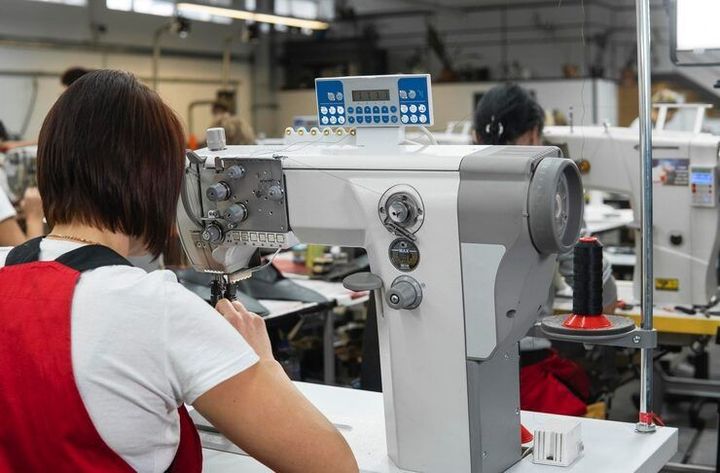
Flat Lock Machines Explained: Types, Components, Stitching Methods, Uses and Key Features
Flat lock machines are specialized sewing machines designed to create flat, flexible seams that are commonly found in knitted garments, sportswear, underwear, activewear, and other stretch fabrics. Unlike a conventional sewing machine that creates a raised seam, a flat lock machine joins fabric layers while keeping the seam relatively flat and comfortable against the skin.
The development of flat lock sewing technology is closely connected with the growth of industrial garment production and the increasing use of knitted and stretch fabrics. Traditional seams can sometimes create bulk or discomfort when used with elastic materials, so specialized stitching methods were developed to provide greater flexibility and a smoother finish.
Today, flat lock machines are used in garment factories, textile workshops, alteration environments, and specialized clothing production. Different machine configurations can create different stitch formations depending on the number of threads, needles, loopers, and fabric layers involved.
What makes a flat lock machine different?
A flat lock machine uses coordinated needles and loopers to form stitches that spread across or along the fabric edge. The resulting seam can have a flat appearance on one side and a decorative or structured stitch formation on the other side.
The machine is particularly associated with stretch fabrics because the stitch formation can accommodate movement without creating the same rigid seam structure found in some conventional stitching methods.
Common applications
Flat lock machines can be used for several textile applications, including:
- Sportswear and activewear seams
- Underwear and intimate apparel construction
- Stretch garments and knitted clothing
- T-shirt and casual garment seams
- Decorative seam patterns
- Flat joining of fabric panels
- Hem and edge finishing in selected applications
The exact application depends on the machine configuration, thread arrangement, fabric characteristics, and required stitch formation.
Importance
Flat lock machines matter because modern garments frequently use fabrics that stretch, move, or require seams with a smooth surface. A seam that works well for woven fabric may not provide the same comfort or flexibility when applied to lightweight knitted material.
For garment manufacturers and sewing professionals, understanding flat lock machines helps explain how different seam structures are produced. For consumers, this technology also helps explain why some sportswear and stretch garments have distinctive flat seams that feel different from ordinary stitched seams.
Comfort and fabric movement
One important characteristic of flat lock stitching is its relatively flat seam structure. When correctly configured, the seam can reduce the raised ridge that may otherwise press against the body during movement.
This is particularly relevant to clothing used during physical activity. Fabrics in these garments may repeatedly stretch and recover, so the stitching system needs to work with the fabric rather than restrict its movement.
Stitch consistency
Industrial sewing machines are designed to produce repeated stitch formations with consistent spacing and tension. Flat lock machines use synchronized mechanical components to coordinate needle movement, thread loops, fabric feeding, and stitch formation.
Consistency can be affected by thread type, needle selection, fabric thickness, machine adjustment, and operating conditions. Proper setup is therefore an important part of achieving the intended stitch appearance.
Textile production applications
Flat lock machines have a role in clothing production where seams need particular structural or visual characteristics. Their applications extend beyond basic garment joining and can include decorative stitching and specialized edge construction.
The machine is not suitable for every sewing task. Conventional lockstitch machines, overlock machines, coverstitch machines, and other specialized equipment each perform different functions within textile production.
Recent Updates
Recent developments in sewing technology have focused on automation, electronic controls, energy efficiency, operator convenience, and improved stitch management. Modern industrial sewing equipment increasingly combines mechanical sewing systems with electronic controls that can monitor or regulate selected machine functions.
The broader sewing-machine standards environment in India has also been updated. BIS has continued revising and organizing standards covering sewing machines, components, terminology, safety requirements, and related equipment. A revised Indian Standard for industrial light-duty sewing machines was developed to reflect technological developments and international practices.
Electronic controls
Some contemporary industrial sewing machines incorporate electronic controls for functions such as speed management, needle positioning, thread control, and programmable operations. These features can reduce the amount of manual adjustment required for particular production processes.
Electronic systems can also provide more precise control over repetitive sewing operations. However, the available functions vary significantly between machine models and configurations.
Energy and motor technology
Another continuing trend is the use of electronically controlled motors instead of older motor arrangements. Electronic motor systems can provide more responsive speed control and may allow the machine to operate according to the sewing requirements of a particular task.
Motor efficiency also matters in environments where many machines operate for extended periods. Actual energy consumption depends on motor design, operating speed, workload, machine settings, and operating duration.
Standardization and safety
Indian sewing-machine standards have continued to evolve. BIS information shows ongoing work involving industrial sewing-machine specifications and terminology, while its standards resources provide access to applicable documents and related information.
These developments reflect a wider movement toward clearer technical requirements, electrical safety considerations, testing procedures, and standardized terminology.
Laws or Policies
In India, flat lock machines used in commercial or industrial environments can be affected by workplace safety requirements, electrical safety provisions, machinery-related standards, and applicable labour regulations. The exact requirements depend on the workplace, machine configuration, number of workers, and operating environment.
The Occupational Safety, Health and Working Conditions Code, 2020 contains provisions concerning occupational safety and health. Its provisions include responsibilities related to plant and machinery and the need to prevent machinery or installed equipment from creating unreasonable risks to workers.
BIS standards
The Bureau of Indian Standards maintains standards related to sewing machines and their components. BIS also provides a searchable standards platform where users can look up standards by product name or Indian Standard number.
Not every sewing machine automatically requires mandatory BIS certification. BIS explains that compulsory certification applies to products specifically brought under such requirements by the relevant government authority.
For industrial environments, users should therefore distinguish between voluntary standards, applicable technical standards, and products or categories that are specifically subject to mandatory certification requirements.
Workplace precautions
Basic workplace precautions are also important when operating flat lock machines. Operators generally need suitable lighting, stable machine installation, appropriate electrical connections, and protection from moving components.
Machine manuals should be followed for threading, needle replacement, lubrication, cleaning, adjustment, and electrical procedures. Operators should also avoid loose clothing or other items that could become caught in moving machine parts.
Tools and Resources
Understanding flat lock machines becomes easier when technical information is combined with practical references. Several resources can help readers learn about machine construction, stitching terminology, safety requirements, and textile production.
Machine manuals
The instruction manual supplied with a machine is one of the most useful references for understanding its specific configuration. Manuals normally explain threading paths, needle arrangements, thread routing, stitch adjustments, lubrication requirements, cleaning procedures, and operating controls.
Because flat lock machines vary considerably, instructions from one model should not automatically be applied to another model.
BIS standards resources
The BIS standards platform can be used to search Indian Standards by product name or standard number. It can also provide access to related documents, amendments, testing information, and other standard-related material.
BIS resources include information related to industrial sewing-machine requirements and testing. For example, BIS laboratory information references standards covering light-duty industrial sewing machine heads and requirements involving accuracy, sewing performance, and durability.
Stitch reference charts
Threading diagrams and stitch reference charts are useful learning tools. They can show how needles, loopers, threads, and fabric layers interact to create particular stitch formations.
A basic reference table can help distinguish common machine categories:
| Machine Type | Main Stitch Function | Typical Application |
|---|---|---|
| Lockstitch | Needle and bobbin stitch | General garment seams |
| Overlock | Edge overcasting and joining | Seam finishing and stretch fabrics |
| Flat lock | Flat seam construction | Sportswear and knitted garments |
| Coverstitch | Covering and finishing seams | Hems and stretch garments |
| Chainstitch | Loop-based continuous stitching | Selected garment construction |
The exact stitch capability depends on the machine design and configuration.
Fabric and thread guides
Fabric composition, thickness, stretch level, and thread characteristics all influence sewing performance. Reference guides can help users understand why a particular needle, thread size, stitch length, or tension setting may be appropriate for a particular material.
These resources are especially useful for people who are unfamiliar with the relationship between fabric properties and machine settings.
FAQs
What is a flat lock machine?
A flat lock machine is a specialized sewing machine that creates relatively flat seams by coordinating needles and loopers with multiple threads. It is commonly associated with stretch fabrics, knitted garments, sportswear, and other clothing where seam flexibility and surface comfort are important.
What are the main types of flat lock machines?
Flat lock machines can differ according to their needle arrangements, thread capacity, stitch formation, seam width, and intended application. Some configurations create narrow seams, while others are designed for wider flat seams or particular decorative effects.
What are the main components of a flat lock machine?
Important components can include the needle bar, needles, loopers, presser foot, feed mechanism, thread guides, thread tension controls, stitch-forming mechanisms, handwheel, motor, and machine bed. Electronic models may also contain control panels and sensors.
What stitching methods are used with flat lock machines?
Flat lock machines can create different stitch formations depending on their configuration. Common arrangements include two-needle and multi-thread constructions, with the needles and loopers working together to create a flat seam structure.
Where are flat lock machines commonly used?
Flat lock machines are commonly used for sportswear, activewear, underwear, knitted garments, T-shirts, stretch clothing, and selected decorative or seam-finishing applications. Their suitability depends on the fabric and the required seam structure.
Conclusion
Flat lock machines are specialized sewing systems designed to create flat and flexible seams, particularly for knitted and stretch fabrics. Their main components include needles, loopers, thread guides, feed mechanisms, presser feet, and motor or electronic control systems. Recent sewing technology has increasingly incorporated electronic controls, improved motor systems, and updated technical standards. In India, workplace safety requirements and applicable BIS standards provide an important regulatory and technical context for industrial sewing equipment.