Home Security Cameras Learn: Indoor and Outdoor Cameras, Features, Storage and Applications
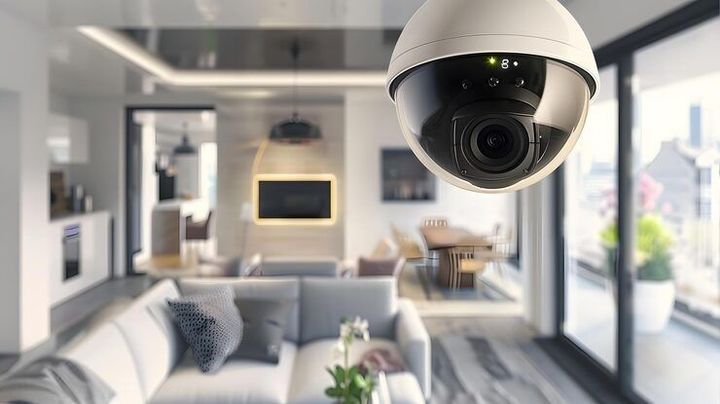
Home security cameras are electronic devices used to capture video around or inside a residential property. Modern home security cameras can include indoor and outdoor cameras, motion detection, night vision, two-way audio, mobile notifications, local recording, and cloud-based storage. Their development reflects the broader move from traditional analog surveillance toward connected digital systems that can be viewed and managed through phones, computers, or other smart-home devices.
Context
What Are Home Security Cameras?
A home security camera uses an image sensor and lens to record or transmit video. Depending on the design, a camera may continuously record, activate when movement is detected, or capture selected events according to configured settings.
Indoor cameras are generally designed for rooms such as living areas, hallways, entrances, or storage spaces. Outdoor cameras are built for areas such as driveways, gates, balconies, gardens, and building entrances, with designs that can handle changing weather and lighting conditions.
How Camera Technology Developed
Earlier home surveillance systems commonly depended on wired cameras connected to a dedicated recording device. Digital video recorders later made it easier to store and review recorded footage.
Internet-connected cameras changed this arrangement by allowing video feeds and alerts to be accessed remotely. Wireless connections, smartphone applications, improved image sensors, and smaller storage systems have made residential camera systems more flexible.
Today, some cameras also use artificial intelligence to identify patterns or objects in video. Features may include person, vehicle, animal, or package detection, although the exact capabilities vary by camera and software.
Indoor and Outdoor Camera Differences
Indoor and outdoor cameras have different environmental requirements. Outdoor models may include weather-resistant housings, wider temperature tolerances, infrared night vision, and mounting options designed for exterior walls or ceilings.
Indoor cameras can place more emphasis on compact designs, room coverage, privacy controls, and integration with other household devices. Camera placement should also consider lighting, viewing angles, reflections, and areas that do not need to be recorded.
Importance
Everyday Security and Awareness
Home security cameras can help residents understand activity around a property when they are present or away. Recorded footage can show events near entrances, garages, driveways, common areas, or other selected locations.
For households, cameras may also provide awareness of routine activity. Examples include checking whether someone entered a particular area, reviewing movement near a gate, or observing conditions around an outdoor entrance.
Common Problems Cameras Address
A camera system can address several practical challenges:
- Limited visibility around entrances or outdoor areas
- Difficulty reviewing events that happened while residents were away
- Uncertainty about when movement occurred
- Need for recorded evidence after an incident
- Monitoring of specific areas inside a home
- Awareness of activity around doors, gates, garages, or pathways
Cameras do not prevent every incident, and video quality can be affected by lighting, network connectivity, positioning, weather, or storage settings. They are one component of a broader household security approach.
Important Features to Understand
Different features affect how a camera works in everyday conditions. Resolution influences the level of visible detail, while field of view determines how much of an area can appear in the image.
Motion detection can trigger recording or notifications when movement is detected. Some systems use software-based analysis to distinguish between people, vehicles, animals, and general movement.
Night vision uses infrared illumination or other imaging methods to capture scenes in low-light conditions. Two-way audio allows communication through a camera when the hardware and software support it.
| Feature | What It Does | Main Consideration |
|---|---|---|
| Video resolution | Determines image detail | Higher resolution can require more storage |
| Field of view | Shows how much area the camera covers | Wider views may reduce detail at distance |
| Motion detection | Identifies movement | Sensitivity settings affect alerts |
| Night vision | Captures low-light scenes | Range varies by camera design |
| Two-way audio | Enables communication through the camera | Microphone and speaker quality matter |
| Local storage | Saves footage on a local device | Storage capacity is limited |
| Cloud storage | Stores footage on remote infrastructure | Internet access and account settings matter |
| Privacy controls | Limits recording or access | Features differ by device |
Recent Updates
Artificial Intelligence and Video Analysis
From 2024 through 2026, camera technology has increasingly incorporated artificial intelligence for video interpretation. Google, for example, described expanded AI capabilities for camera footage, including broader descriptions of what cameras detect and improved searching of recorded activity.
These developments are changing how people interact with recorded video. Instead of manually reviewing long recordings, some systems can organize events according to detected objects or activities.
Improved Camera Interfaces
Recent smart-home updates have also focused on how people review camera footage. Newer interfaces can provide event previews, smoother video navigation, improved timelines, and more direct access to camera history.
These changes are particularly relevant when a household has several cameras or a large amount of recorded footage.
Greater Attention to Interoperability
Another development is greater attention to compatibility between cameras and other security equipment. ONVIF has continued updating standards for IP-based physical security equipment and has been moving users from older Profile S technology toward Profile T, while also developing additional security and video-related specifications.
In 2026, ONVIF reported more than 35,000 conformant products in its ecosystem. Its database can be used to check whether a particular product has officially completed its conformance process.
Stronger Focus on Communication Security
Security of camera communications has also received attention. ONVIF introduced a TLS Configuration Add-on that supports encrypted communication between compatible devices and software clients.
For households, this reflects a wider technology trend: a camera is not only an imaging device but also a connected computing device that needs appropriate account and network protection.
Laws or Policies
India and Digital Personal Data
In India, the Digital Personal Data Protection Act, 2023 establishes a framework for processing digital personal data. The Act defines personal data broadly as data about an identifiable individual and includes activities such as collection, recording, storage, use, sharing, and disclosure within the concept of processing.
The Act also states that it does not apply to personal data processed by an individual for a personal or domestic purpose. This distinction is relevant when considering ordinary household camera use, although situations involving businesses, organizations, or other forms of data processing can require a different legal analysis.
Digital Personal Data Protection Rules
India's Ministry of Electronics and Information Technology published the Digital Personal Data Protection Rules, 2025 along with related implementation material. The rules provide additional details for implementing the framework established by the Act, with different provisions becoming applicable according to the stated enforcement timeline.
Camera users should also consider privacy expectations when recording people outside their own household. Recording neighbors, visitors, workers, shared residential areas, or public-facing spaces can raise issues that depend on the circumstances and applicable law.
Apartment associations, housing communities, and local authorities may also have their own rules concerning cameras in shared areas. Because legal requirements can vary according to location and use, this article provides general information rather than legal advice.
Tools and Resources
Camera Applications
Most connected cameras use a mobile or web application for live viewing, notifications, recording controls, and account management. The available functions depend on the camera system.
Storage Planning Tools
Storage calculators can help estimate how much recording capacity may be needed. Important inputs include video resolution, frame rate, number of cameras, recording hours, compression method, and retention period.
ONVIF Conformance Database
For compatible IP-camera equipment, the ONVIF Conformant Products database can help users verify whether a particular product and software or firmware version is officially listed. ONVIF identifies this database as the authoritative source for checking conformance.
Manufacturer Documentation
Camera manuals and technical documentation explain supported storage methods, network requirements, privacy controls, firmware procedures, notification settings, and compatible equipment. Reading these materials can help users understand how a specific camera operates before changing its configuration.
FAQs
What are indoor and outdoor home security cameras?
Indoor cameras are designed mainly for rooms and interior areas, while outdoor cameras are intended for exterior locations. Outdoor models commonly include features related to weather exposure and changing outdoor lighting.
How do home security cameras store video?
Home security cameras may use local storage, network video recorders, removable memory, or remote cloud-based storage. The available method depends on the camera system and its configuration.
What features should I understand in a home security camera?
Important features include resolution, field of view, motion detection, night vision, audio, storage method, connectivity, privacy controls, and account security. The practical importance of each feature depends on where the camera is installed and what it is intended to record.
Can home security cameras record at night?
Many cameras can record in low-light conditions through infrared night vision or other imaging technologies. Actual visibility depends on the camera's design, lighting conditions, viewing distance, and surrounding objects.
Are there privacy rules for home security cameras in India?
India's Digital Personal Data Protection Act, 2023 contains an exemption for personal data processed by an individual for a personal or domestic purpose. Other recording situations may involve different legal considerations, particularly when organizations or people outside the household are involved.
Conclusion
Home security cameras have developed from basic video-recording equipment into connected systems with features such as motion detection, night vision, mobile viewing, intelligent video analysis, and different storage methods. Indoor and outdoor cameras serve different environmental and monitoring needs, while privacy and account security remain important considerations. Developments from 2024 through 2026 show continued movement toward AI-assisted video analysis, improved camera interfaces, interoperability, and stronger communication security. In India, household camera use also exists within a broader privacy and data-protection framework that depends on how recorded information is processed.

You May Also Like