Offshore Wind Farms Learn: Turbine Systems, Ocean Locations, Power Generation and Operations
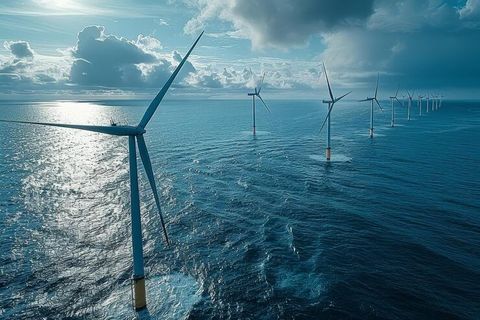
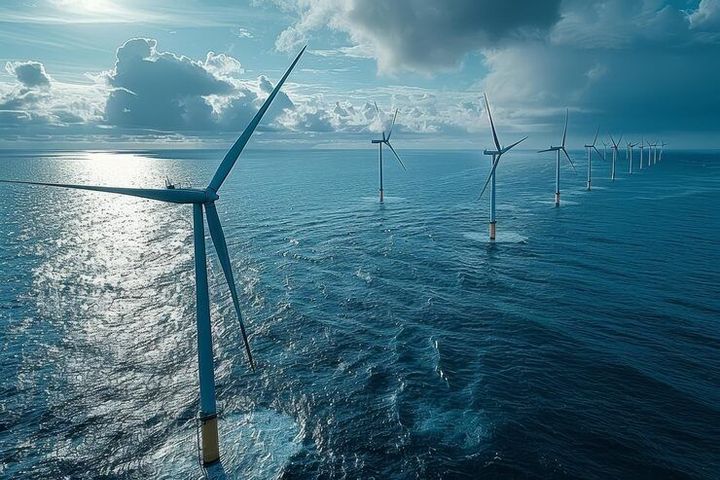
Offshore wind farms are groups of wind turbines installed in ocean or coastal waters to generate electricity from moving air. The basic idea is similar to land-based wind power, but offshore projects place turbines where wind conditions can be suitable for large-scale electricity generation. Electricity produced by the turbines is carried through underwater cables and then connected to an onshore power network.
Offshore wind farms developed from the broader use of wind energy and advances in marine engineering. Early projects mainly used fixed structures attached to the seabed in relatively shallow water. As turbine technology and marine construction techniques have developed, projects have expanded into deeper waters, including areas where floating platforms can support turbines.
How offshore wind turbines work
An offshore wind turbine converts the movement of air into electrical energy. Wind pushes the turbine blades, causing a rotor to turn. The rotor transfers mechanical movement through the turbine drivetrain to a generator, which produces electricity.
The main components generally include:
- Rotor blades that capture energy from moving air
- A hub that connects the blades to the main shaft
- A nacelle containing major mechanical and electrical equipment
- A tower supporting the nacelle above the water
- A foundation or floating platform that keeps the turbine in position
- Electrical cables that transfer generated power
The electricity usually travels from individual turbines to an offshore substation. From there, higher-voltage cables can carry electricity toward the shore and into the wider electricity network.
Where offshore wind farms are located
Ocean locations are selected using several factors. Wind speed and consistency are important, but developers also examine water depth, seabed conditions, distance from shore, marine traffic, fishing activity, environmental areas, ports and grid connections.
Fixed-bottom turbines are commonly used where the seabed is suitable for foundations. Floating wind systems can be considered in deeper water because the turbine is attached to a floating structure that is anchored to the seabed.
India has identified offshore wind potential particularly along the Gujarat and Tamil Nadu coasts. The Ministry of New and Renewable Energy reports preliminary potential of about 36 GW off Gujarat and nearly 35 GW off Tamil Nadu.
Importance
Offshore wind farms matter because electricity demand is connected to homes, businesses, transportation, manufacturing and digital infrastructure. Wind generation can provide electricity without directly burning fuel during operation, while its output can complement other electricity sources within a wider power system.
Offshore projects also address a geographic challenge. In densely populated areas, finding suitable land for large energy projects can be difficult. Offshore locations can provide additional areas for energy development, although they also introduce marine construction, environmental and grid-planning challenges.
Why ocean wind conditions matter
Wind over open water can have different characteristics from wind over land. The absence of many physical obstacles can allow stronger and more consistent airflow at suitable locations. This can support larger turbines with long blades and tall towers.
However, offshore wind farms must operate in a demanding marine environment. Saltwater exposure, waves, storms and underwater conditions influence equipment design, inspection schedules and maintenance planning.
Effects on communities and industries
Offshore wind development can involve several groups, including coastal communities, electricity consumers, fishing activities, shipping operators, ports, environmental researchers and energy planners.
A project can also require specialized vessels, ports, underwater cables, electrical equipment and marine construction capabilities. This creates connections between renewable-energy development and wider industrial infrastructure.
Environmental assessment is another important part of planning. Studies can examine seabirds, marine mammals, fish, seabed conditions, underwater noise and interactions with existing maritime activities.
Understanding power generation
The amount of electricity generated by a wind turbine depends on factors such as wind speed, turbine design, rotor size and operating conditions. Wind speed is particularly important because the available energy in moving air changes substantially as wind speed changes.
A turbine does not necessarily generate its rated output continuously. The actual electricity produced over a period is influenced by changing wind conditions, technical availability, grid conditions and other operational factors.
Recent Updates
Offshore wind development has continued to expand internationally, although the industry has also faced supply-chain, financing, permitting and project-development challenges. IRENA reported that global offshore wind capacity reached about 82.9 GW by the end of 2024, while annual offshore additions were 8.6 GW during that year.
The International Energy Agency has projected substantial offshore wind expansion through 2030, while also revising its outlook because of policy changes, supply-chain constraints and project delays in several markets. Its 2025 analysis projects about 140 GW of offshore wind additions over the 2025–2030 forecast period.
Larger turbine systems
Modern offshore projects increasingly use turbines with larger rotors and higher power ratings. Larger machines can capture energy across a wider swept area, although they also require appropriate foundations, vessels, ports, electrical systems and installation methods.
Floating wind technology is another area of development. Instead of attaching the turbine foundation directly to the seabed, floating systems use platforms held in position with mooring and anchoring arrangements.
Changes in project planning
Recent developments have highlighted the importance of realistic project planning. Higher financing requirements, equipment availability, vessel capacity, grid connections and permitting processes can influence project schedules.
India has also been developing a framework for offshore wind. MNRE's current offshore wind strategy includes different development models, including a model in which government-supported studies and procurement processes can be used for identified areas.
Laws or Policies
In India, offshore wind development is governed through national renewable-energy policy, offshore-area leasing rules and project-specific regulatory requirements. The National Offshore Wind Energy Policy was issued in 2016, establishing a framework for developing offshore wind resources in India's maritime areas.
Offshore Wind Energy Lease Rules
The Offshore Wind Energy Lease Rules, 2023 establish a framework for leasing offshore areas for wind-energy development. MNRE states that these rules were notified in December 2023 and that their administration is handled by the Ministry of New and Renewable Energy.
Project developers may also need to address requirements involving maritime navigation, defence-related clearances, environmental considerations, electricity transmission and other applicable permissions. The exact requirements can vary according to the project's location, technology and activities.
Government support framework
India introduced scheme guidelines for a Viability Gap Funding mechanism for offshore wind projects in 2024. The framework is intended to support development of offshore wind projects and associated transmission infrastructure under specified conditions.
India's National Institute of Wind Energy also carries out offshore wind resource assessment and identifies potential development zones. NIWE reports that studies have identified potential areas along the Gujarat and Tamil Nadu coasts.
| Offshore wind element | Main purpose |
|---|---|
| Wind assessment | Understand available wind resources |
| Seabed survey | Examine conditions for foundations |
| Turbine system | Convert wind movement into electricity |
| Offshore substation | Collect and manage generated electricity |
| Export cable | Carry electricity toward land |
| Onshore grid connection | Integrate electricity into the power network |
| Environmental studies | Examine potential marine and coastal effects |
| Maritime planning | Consider navigation and other ocean activities |
Tools and Resources
Several technical and public resources can help readers understand offshore wind farms and their development.
Wind and resource information
The National Institute of Wind Energy provides information related to wind assessment, wind potential and offshore wind development in India. Its datasets and technical material can help explain how wind resources are evaluated.
Government policy resources
The MNRE website provides Indian wind policies, offshore wind strategy documents, lease rules and scheme guidelines. These documents are useful for understanding the regulatory structure surrounding offshore wind development.
International energy data
IRENA publishes renewable-energy capacity information and analysis covering offshore wind deployment, technology and generation trends. The IEA also publishes renewable-energy forecasts that explain expected changes in offshore wind deployment and the wider electricity sector.
For general learning, readers can also use wind-resource maps, electricity-generation calculators, turbine specification sheets and basic capacity-factor calculators. These tools can illustrate how turbine size, wind conditions and operating time affect electricity generation.
FAQs
What are offshore wind farms?
Offshore wind farms are groups of wind turbines located in ocean or coastal waters. The turbines convert wind energy into electricity, which is transported through underwater cables to the electricity grid.
How do offshore wind turbine systems generate power?
Offshore wind turbine systems use blades and a rotating rotor to capture energy from moving air. The rotation drives a generator, producing electricity that is collected through electrical cables and transferred toward shore.
Where are offshore wind farms located in India?
India has identified offshore wind potential along several coastal areas, with Gujarat and Tamil Nadu receiving particular attention. MNRE reports preliminary potential of approximately 36 GW off Gujarat and nearly 35 GW off Tamil Nadu.
How do offshore wind farms operate in deep water?
Fixed-bottom turbines are attached to seabed foundations in suitable water depths. In deeper areas, floating wind turbines can use floating platforms connected to the seabed with mooring and anchoring systems.
What challenges affect offshore wind farm operations?
Major challenges include changing weather, waves, corrosion, underwater cable protection, vessel access, equipment inspection, grid connections and environmental considerations. Project planning must account for both marine conditions and electricity-system requirements.
Conclusion
Offshore wind farms use ocean wind resources to generate electricity through large turbine systems, electrical cables and grid connections. Their development involves engineering, marine planning, environmental assessment and electricity-network integration. India has established policies and planning frameworks for offshore wind, with Gujarat and Tamil Nadu identified as important potential areas. Recent global developments show continued technological progress alongside challenges involving supply chains, project development and regulatory processes.