Plant-Based Proteins Advice: Choosing Sources, Combining Foods, Nutrition and Meal Preparation
Plant-based proteins are found in foods such as lentils, beans, chickpeas, peas, soy foods, nuts, seeds, and whole grains. Plant-Based Proteins Advice can help people understand how these foods contribute protein and other nutrients, how different sources can be combined, and how preparation methods affect meals. A plant-focused eating pattern can include many different foods, and the nutritional value of the overall diet depends on variety, portion sizes, food preparation, and individual needs.
What Are Plant-Based Proteins?
Protein is a nutrient made from amino acids that the body uses for building and maintaining tissues and for many biological processes. Plant-based proteins come primarily from foods obtained from plants rather than from animal foods.
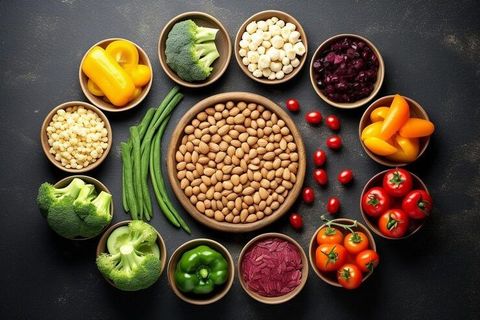
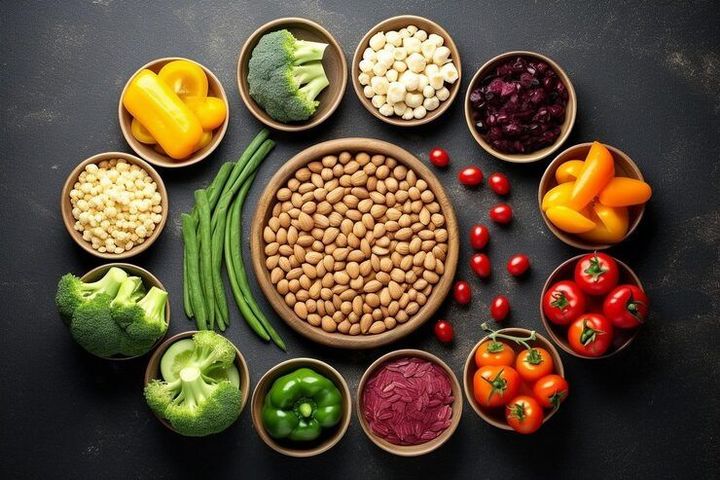
Common sources include lentils, chickpeas, kidney beans, black beans, peas, soybeans, tofu, tempeh, peanuts, almonds, seeds, oats, quinoa, and other grains. Some foods contain considerably more protein than others, so looking at the whole meal can provide a clearer picture than considering one ingredient alone.
Plant-based proteins have been part of traditional diets in many parts of the world for centuries. In South Asian cooking, combinations such as dal with rice, chickpeas with roti, and beans with grains have long been used as everyday meals. Similar combinations occur in Mediterranean, Latin American, East Asian, and African cuisines.
Why Combining Foods Is Discussed
Different plant foods contain different proportions of essential amino acids. Some plant proteins contain relatively lower amounts of particular amino acids, while others provide different amino-acid patterns.
This is one reason nutrition guidance often discusses food variety and combining different protein sources across meals. A person does not necessarily need to combine specific foods in every individual meal. Eating a varied diet throughout the day can provide a broader range of amino acids.
Importance
Why Protein Matters
Protein contributes to the maintenance of muscles, bones, skin, enzymes, hormones, and other body structures. Protein needs vary according to factors such as age, body size, activity level, pregnancy, health conditions, and overall dietary pattern.
For people who reduce or avoid animal foods, planning meals around legumes, soy foods, nuts, seeds, and whole grains can help maintain protein intake. Variety also makes it easier to obtain other nutrients, including fibre, iron, magnesium, zinc, and several vitamins.
Everyday Challenges
Choosing plant-based proteins can sometimes create practical questions. People may wonder whether a meal contains enough protein, whether foods need to be combined in a particular way, or how to prepare dried legumes efficiently.
Other considerations include digestive tolerance, allergies, food preferences, availability of ingredients, and the nutritional differences between minimally processed foods and highly processed plant-based products.
A practical approach is to build meals around several food groups rather than relying on one ingredient. Examples include:
- Lentils with rice and vegetables
- Chickpeas with whole-grain flatbread and salad
- Tofu with vegetables and noodles
- Bean and corn combinations with vegetables
- Oats with seeds, nuts, and fruit
- Soybeans or edamame with grains and vegetables
Plant-Based Protein Sources
| Food group | Examples | Useful nutritional features |
|---|---|---|
| Legumes | Lentils, chickpeas, beans, peas | Protein, fibre, minerals |
| Soy foods | Tofu, tempeh, soybeans | Protein and several minerals |
| Nuts | Almonds, peanuts, walnuts | Protein, fats, minerals |
| Seeds | Chia, sesame, pumpkin, sunflower | Protein, fats, minerals |
| Whole grains | Oats, quinoa, brown rice | Protein, carbohydrates, fibre |
| Peas | Green peas, split peas | Protein, fibre, vitamins |
| Grain-legume meals | Dal and rice, beans and grains | Complementary amino-acid patterns |
Recent Updates
Growing Interest in Plant-Focused Eating
From 2024 through 2026, interest in plant-focused nutrition has continued alongside broader discussions about dietary variety, pulses, food sustainability, and protein sources. In India, pulses remain an important part of food and nutrition planning.
The Indian government has also continued to support pulse production and availability. During 2024–25, the National Food Security Mission was renamed the National Food Security & Nutrition Mission, with pulses included among the crops covered by the program.
In 2026, the government announced the Mission for Aatmanirbharta in Pulses for 2025–26 through 2030–31, with measures focused on increasing domestic pulse production and supporting processing infrastructure.
Interest in Alternative Protein Foods
Another continuing development is the wider availability and discussion of foods made from soy, peas, grains, legumes, and other plant ingredients. These foods vary considerably in their protein content, processing methods, sodium levels, added fats, and other nutritional characteristics.
As a result, reading nutrition information remains relevant when comparing different plant-based foods. A product described as plant-based does not automatically have the same nutritional composition as beans, lentils, tofu, or other minimally processed foods.
Laws or Policies
Food Regulation in India
In India, foods and food businesses are regulated by the Food Safety and Standards Authority of India (FSSAI). Relevant regulations include the Food Safety and Standards (Labelling and Display) Regulations, 2020 and the Food Safety and Standards (Vegan Foods) Regulations, 2022.
FSSAI maintains requirements concerning food labelling and vegan food compliance. The authority has also issued amendments and related regulatory updates during 2025 and 2026.
In 2025, FSSAI published a draft amendment concerning vegan foods. In 2026, a final amendment addressed specifications related to the vegan logo.
These rules are relevant when evaluating packaged foods described as vegan or plant-based. Consumers can refer to the product label and applicable FSSAI information for details about ingredients, nutrition information, and regulatory declarations.
Nutrition Programs and Pulses
Government nutrition programs also recognize the nutritional role of pulses. For example, PM POSHAN guidelines include specified quantities of pulses in school meals, reflecting their role as a source of protein and other nutrients.
These programs concern public nutrition rather than individual dietary prescriptions. Personal nutritional requirements can differ substantially depending on age, health, activity, and other circumstances.
Tools and Resources
Nutrition Labels and Food Databases
Nutrition labels can help readers compare protein, fibre, carbohydrates, fats, sodium, and other nutrients in packaged foods. Looking at serving size is important because the protein amount shown on a label may refer to a portion that differs from the amount actually eaten.
Food composition databases and nutrition calculators can also help estimate nutrient intake. Their values are generally based on typical food compositions, so actual nutrient amounts can vary with ingredients, preparation methods, and portion sizes.
Meal Planning Tools
Simple meal-planning templates can help organize protein sources across breakfast, lunch, dinner, and snacks. A weekly plan might rotate lentils, chickpeas, beans, soy foods, nuts, seeds, and grains rather than relying on one source.
Cooking tools can also make preparation easier. Pressure cookers, rice cookers, food processors, and storage containers can be useful for preparing legumes and assembling meals in advance.
Practical Preparation Methods
Dried beans and chickpeas generally require soaking and cooking, while lentils often require less preparation. Tofu can be baked, sautéed, steamed, or incorporated into soups and curries.
Food preparation can affect texture, digestibility, and convenience. Washing, soaking, cooking, and storing foods appropriately are important parts of normal food preparation and safety.
For people with specific nutritional requirements, food allergies, digestive problems, kidney conditions, or other health considerations, individualized guidance from a qualified healthcare professional may be appropriate.
FAQs
What are good plant-based protein sources?
Common plant-based protein sources include lentils, chickpeas, beans, peas, soybeans, tofu, tempeh, peanuts, nuts, seeds, oats, and several whole grains. The protein content varies among foods, so variety can help create nutritionally balanced meals.
Do plant-based proteins need to be combined in every meal?
No. Specific protein combinations do not generally need to occur in every meal. Eating a varied diet throughout the day can provide different essential amino acids from different plant foods.
How can plant-based proteins be added to everyday meals?
Legumes can be added to soups, curries, salads, and grain-based dishes. Tofu and tempeh can be incorporated into stir-fries or cooked dishes, while nuts and seeds can be added to oats, salads, or other meals.
Are plant-based proteins suitable for everyone?
Plant-based protein foods can be included in many dietary patterns, but individual nutritional requirements differ. People with allergies, medical conditions, or specific dietary restrictions may need individualized guidance when changing their diet.
What should I check when choosing plant-based protein foods?
For packaged foods, check the ingredient list, serving size, protein amount, fibre, sodium, added sugars, and other nutrition information. The term plant-based describes the source or formulation but does not by itself describe the complete nutritional profile.
Conclusion
Plant-based proteins include legumes, soy foods, nuts, seeds, peas, and grains that can contribute protein and other nutrients to everyday meals. Variety across meals can provide different amino acids while also contributing fibre, minerals, and other nutrients. In India, pulses continue to have an important role in nutrition programs and agricultural policy, while FSSAI rules provide a framework for food labelling and vegan food compliance. Meal planning, nutrition labels, and appropriate food preparation can help people understand the nutritional characteristics of different plant-based protein foods.