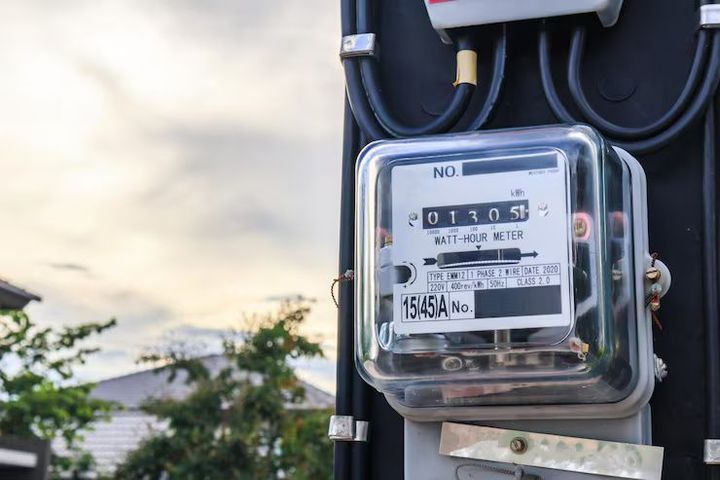
Smart Metering Systems Details: Meter Types, Sensors, Connectivity, Features and Functions
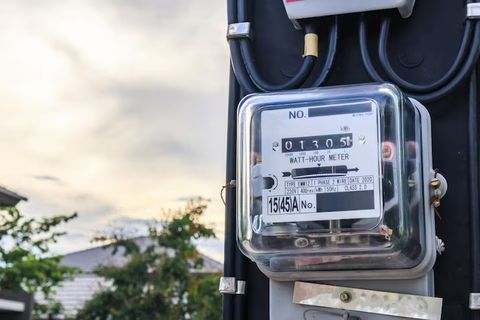
Smart metering systems are digital electricity measurement systems designed to record energy use and communicate meter information through electronic networks. Unlike traditional meters that mainly display accumulated electricity consumption, smart meters can record additional information such as consumption patterns, voltage conditions, communication events, and, depending on the system, import and export energy.
The development of smart metering is connected with the wider modernization of electricity distribution. Traditional meter reading often depends on periodic physical visits, while Advanced Metering Infrastructure (AMI) connects meters with communication networks and central data systems. A typical AMI arrangement includes the smart meter, communication infrastructure, a Head End System (HES), and a Meter Data Management System (MDMS). The Central Electricity Authority describes these components as important parts of smart metering infrastructure.
Smart Metering Systems exist in residential buildings, commercial premises, industrial facilities, and electricity distribution networks. They can support different measurement arrangements, including single-phase and three-phase systems. In India, BIS standards include IS 16444 for direct-connected smart meters and transformer-operated smart meters.
How Smart Metering Systems Work
A smart meter measures electrical energy through internal measurement circuits and sensors. The meter processes the measurements and stores selected information in its internal memory. Communication equipment then transfers appropriate data to the electricity distribution system.
The basic process can be understood as:
- Measurement: Electrical parameters are measured continuously or at defined intervals.
- Processing: The meter calculates and records energy-related information.
- Storage: Selected readings and events are retained in the meter.
- Communication: Data is transferred through an available communication network.
- Data management: Central systems receive, validate, store, and analyze the information.
- User access: Depending on the local arrangement, consumers may view consumption information through a digital platform or application.
Importance
Smart Metering Systems matter because electricity consumption changes throughout the day. A conventional meter can provide an accumulated reading, while a connected meter can create a more detailed record of how electricity is being used over time.
For households, this information can make consumption patterns easier to understand. For commercial and industrial users, interval data can help identify changes in electricity demand. For distribution utilities, connected meter information can support meter reading, network analysis, outage investigation, load management, and detection of unusual consumption patterns.
Smart metering also affects the way electricity distribution systems are managed. Central data platforms can combine information from large numbers of meters and provide a broader view of distribution conditions. CEA planning guidance describes MDMS as a system that receives, stores, and analyzes metering information and can apply validation, editing, and estimation processes to meter data.
Several practical challenges remain. Communication coverage can vary between locations, equipment must be correctly installed and tested, and large-scale deployments require integration between meters, communication networks, data systems, billing platforms, and consumer-facing applications.
Main Components of a Smart Metering System
The major components commonly include:
- Smart meter: Measures electrical energy and records relevant meter information.
- Sensors and measurement circuits: Detect electrical quantities such as voltage and current.
- Communication module: Transfers information between the meter and network infrastructure.
- Head End System: Communicates with field meters and collects meter information.
- Meter Data Management System: Stores, validates, processes, and analyzes meter data.
- Consumer interface: May provide consumption information, balance information, alerts, or other meter-related information.
Recent Updates
From 2024 through 2026, smart metering in India has continued to develop as part of broader electricity distribution modernization. The Revamped Distribution Sector Scheme (RDSS) remains an important government program supporting distribution infrastructure and smart metering. A Ministry of Power update stated that 20.33 crore smart meters had been sanctioned under RDSS and that installation was planned within the scheme period extending to March 2028.
Another development has been greater attention to interoperability. Government information has discussed interoperability of Advanced Metering Infrastructure, while CEA has published guidance concerning standardization and interoperability in communication between smart meters, HES, and MDM systems.
Consumer-facing functions have also received attention. Depending on the state and distribution arrangement, smart metering programs can include digital applications for monitoring consumption, recharge-related functions for prepaid arrangements, balance alerts, and information about electricity use. Government information in 2026 also described mechanisms such as check meters and consumer grievance procedures in connection with smart metering implementation.
Communication technology remains an important area of development. CEA guidance identifies technologies such as Power Line Communication (PLC), radio-frequency communication, and cellular communication as possible approaches for AMI. The appropriate method can depend on network availability, geographical conditions, and system design.
Smart Metering Data Trends
| Area | Traditional Approach | Smart Metering Approach |
|---|---|---|
| Meter reading | Periodic reading | Electronic data collection |
| Consumption record | Mainly cumulative | Can include interval information |
| Communication | Usually limited | Two-way or network-based communication |
| Data storage | Basic meter register | Digital meter and central data systems |
| Monitoring | Limited visibility | More detailed consumption information |
| Network integration | Limited | AMI and data-platform integration |
| Consumer information | Meter display or bill | May include digital consumption information |
Laws or Policies
In India, smart metering is influenced by electricity-sector laws, technical regulations, standards, and government distribution programs. The Electricity Act, 2003 provides the broader legislative framework for the electricity sector, while the Central Electricity Authority establishes technical requirements through its regulations and related documents.
The Central Electricity Authority maintains regulations concerning the installation and operation of electricity meters. Its regulatory records include the CEA Metering Regulations and subsequent amendments, including a 2026 amendment.
Bureau of Indian Standards requirements are also relevant. IS 16444 Part 1 covers AC static direct-connected watt-hour smart meters for specified accuracy classes, while Part 2 addresses transformer-operated watt-hour and var-hour smart meters. India also issued the Smart Meter Quality Control Order, 2023, linking covered smart meters with the applicable Indian Standards.
The Revamped Distribution Sector Scheme is another important policy framework. It supports modernization of electricity distribution infrastructure, including smart metering works. Government information describes smart prepaid metering as one of the interventions under RDSS.
Consumer protections also form part of the regulatory environment. The Electricity (Rights of Consumers) Rules, 2020 established a framework covering consumer rights in electricity supply and related grievance mechanisms. Electricity distribution is also subject to state-level regulatory arrangements, so specific implementation details can differ between states and distribution utilities.
Tools and Resources
Several technical and public resources can help readers understand Smart Metering Systems and electricity consumption.
Meter Data Platforms
Meter Data Management Systems are used by distribution organizations to collect, validate, store, and analyze information from connected meters. These systems can handle large volumes of readings and support reporting and network analysis.
Consumer Applications
Some smart metering programs provide mobile or web applications through which consumers can view electricity consumption, meter information, balance information, or related notifications. Available functions depend on the distribution utility and the type of meter installed.
Government Dashboards
The Ministry of Power and related agencies publish information about RDSS implementation and smart metering progress. The RDSS dashboard provides information about sanctioned and installed smart meters and other implementation indicators.
Technical Standards
BIS publications and CEA technical documents are useful resources for understanding smart meter specifications, communication requirements, measurement characteristics, and AMI architecture. CEA documentation also describes functional requirements for communication and meter operation.
FAQs
What are Smart Metering Systems?
Smart Metering Systems are digital electricity measurement arrangements that combine smart meters, sensors, communication networks, and data-management platforms. They can record electricity consumption and transfer meter information electronically.
What types of meters are used in Smart Metering Systems?
Common types include single-phase and three-phase smart meters, direct-connected meters, and transformer-operated meters. Indian standards such as IS 16444 cover different smart meter configurations and accuracy classes.
What sensors are used in smart meters?
Smart meters use measurement circuits and sensing elements to detect electrical quantities such as voltage and current. These measurements are processed to calculate electrical energy and related parameters.
How does connectivity work in a smart metering system?
Connectivity can use technologies such as Power Line Communication, radio-frequency communication, or cellular networks. The selected technology depends on factors such as location, network availability, and AMI system design.
What are the main features and functions of a smart meter?
Typical functions can include energy measurement, digital data storage, communication, event recording, time-based measurement, and remote data transfer. Specific functions vary according to the meter specification, communication arrangement, and local electricity program.
Conclusion
Smart Metering Systems combine digital meters, sensors, communication technologies, and data-management platforms to create a connected approach to electricity measurement. Different meter types can support residential, commercial, industrial, and distribution-level applications. Recent developments in India have focused on large-scale deployment, interoperability, consumer information, communication infrastructure, and distribution modernization. Their operation is shaped by technical standards, CEA regulations, consumer rules, and government programs such as RDSS.