Smart Parking Sensors Understand: System Components, Vehicle Detection, Data Management and Benefits
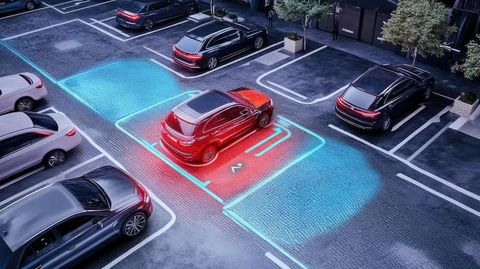
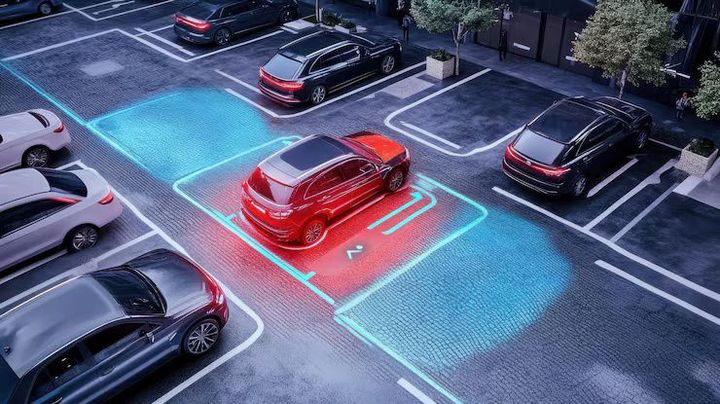
Smart parking sensors are electronic devices used to identify whether a parking space is occupied or available. They are part of a wider smart parking system that combines sensors, communication networks, software, databases, and digital displays to monitor parking areas.
Traditional parking management often depends on drivers visually searching for an empty space. In busy areas, this can create unnecessary circulation inside parking facilities and make it difficult for operators to understand how spaces are being used. Smart parking sensors provide automated information about parking occupancy, helping create a digital view of available spaces.
The concept developed alongside advances in Internet of Things technology. IoT allows physical devices such as sensors to collect information and communicate it to software platforms. In a parking environment, the sensor can detect the presence of a vehicle and send an occupancy status to a central system.
A smart parking system can be installed in outdoor parking areas, covered facilities, multi-level structures, commercial properties, transport hubs, campuses, and public parking zones. Depending on the design, information may appear on electronic signs, websites, mobile applications, or management dashboards.
How smart parking works
A basic system follows a sequence of detection, communication, processing, and presentation. A sensor first determines whether a vehicle is present. The information then travels through a communication network to a software platform, where it can be stored and processed.
The platform can convert individual sensor readings into useful information such as occupied spaces, available spaces, parking duration, entry and exit activity, and overall occupancy patterns. Users can then receive parking availability information through an appropriate digital interface.
Importance
Parking becomes more complicated as urban areas experience higher vehicle activity and limited land availability. Drivers may spend additional time looking for suitable spaces, while parking operators may have difficulty understanding which areas are frequently occupied or underused.
Smart parking sensors address part of this challenge by creating continuous information about individual spaces. Instead of depending entirely on manual observation, a parking management system can receive automated occupancy information from connected devices.
The technology can affect several groups:
- Drivers can receive information about available parking spaces.
- Parking operators can monitor occupancy across different areas.
- City authorities can study parking demand and movement patterns.
- Property managers can understand how parking areas are being used.
- Transport planners can use parking data alongside broader mobility information.
Smart parking can also support better use of existing parking capacity. When information about vacant spaces is available, drivers can spend less time searching within a facility. However, the actual effect depends on sensor accuracy, network reliability, system design, parking layout, and user adoption.
Common parking challenges
Several practical problems can occur in conventional parking environments. These include unclear availability, limited visibility of occupied areas, unauthorized parking, inefficient space utilization, and difficulty collecting consistent occupancy information.
Data from sensors can provide a more structured way to study these conditions. Over time, parking managers may identify patterns such as busy periods, frequently occupied zones, average parking duration, and changes in demand.
Recent Updates
Between 2024 and 2026, smart parking has increasingly been connected with broader intelligent transportation and smart-city systems. Indian technology programs and urban projects have continued to use sensors, connected devices, digital platforms, and integrated control systems for transportation management.
Current systems are also moving beyond simple occupancy detection. Parking platforms may combine sensors with cameras, automatic number plate recognition, digital payment systems, mobile applications, electronic signs, and centralized dashboards. This creates a wider information system rather than a standalone parking sensor.
Another development is the use of different communication technologies. Depending on the location and system design, parking sensors may communicate through wireless networks such as LoRa-based systems, cellular connections, Wi-Fi, or other IoT communication methods.
Data analytics is also becoming more important. Historical occupancy information can help identify patterns in parking demand and support decisions about space allocation, traffic movement, and facility management.
Integration with intelligent transportation
Smart parking can form one part of an intelligent transportation system. When parking information is connected with traffic information, navigation platforms, public transport data, and city control centers, authorities can study relationships between parking demand and urban movement.
The direction of development is therefore moving from isolated parking equipment toward connected parking infrastructure. The exact features available depend on the city, facility, technology provider, and local requirements.
Laws or Policies
In India, parking management is influenced by national transportation policies as well as state and local rules. Urban planning and many aspects of parking management fall within the responsibilities of state governments, urban local bodies, and other local authorities.
The National Urban Transport Policy provides a broader framework for improving urban mobility and encouraging more organized transportation planning. Local authorities may establish parking rules covering locations, operating arrangements, vehicle access, parking charges, enforcement, and permitted parking periods.
Smart parking installations may also interact with rules concerning electronic monitoring, vehicle identification, road safety, and digital systems. Where cameras or automatic number plate recognition are used, the system design needs to consider applicable privacy and data-handling requirements.
India's Digital Personal Data Protection framework is also relevant when a parking system processes information that can be connected to identifiable individuals. A basic occupancy sensor may only indicate whether a space is occupied, while systems involving number plates, accounts, mobile applications, or identifiable transaction records can involve additional data considerations.
Because parking rules vary between cities and states, the applicable requirements depend on the location and the type of parking facility.
Local parking policies
A local authority may establish rules concerning:
- Permitted parking locations
- Parking periods
- Vehicle categories
- Digital payment methods
- Parking enforcement
- Accessibility spaces
- Electric vehicle parking areas
- Data collection and system operation
Smart parking technology does not replace these rules. Instead, it can provide information that supports their administration and monitoring.
Tools and Resources
Several technical and informational tools are used in smart parking systems. Their combination depends on the size and purpose of the parking facility.
Parking sensors
Sensors are installed at individual spaces or strategic points within a parking area. Common detection methods include ultrasonic sensing, infrared sensing, magnetic detection, radar-based detection, and camera-based systems.
IoT gateways
An IoT gateway connects groups of sensors with a wider communication network. It can collect sensor readings and transmit them to a central platform.
Parking management software
Parking management software receives information from sensors and organizes it into dashboards, reports, occupancy maps, alerts, and historical records. Operators can use these interfaces to understand current and previous parking conditions.
Digital displays and mobile platforms
Electronic signs can show the number or location of available spaces. Mobile applications and web interfaces can provide parking availability information to users where such features are included in the system.
Data dashboards
Dashboards help organize information such as occupancy levels, sensor status, parking duration, entry and exit activity, and usage trends. Historical data can also be exported for analysis.
Example of smart parking system components
| Component | Main Function | Typical Information |
|---|---|---|
| Parking sensor | Detects vehicle presence | Occupied or vacant |
| IoT gateway | Collects sensor data | Device readings |
| Communication network | Transfers information | Sensor messages |
| Central platform | Processes information | Occupancy records |
| Database | Stores historical information | Time-based records |
| Digital display | Shows parking status | Available spaces |
| Mobile platform | Presents information to users | Space availability |
| Management dashboard | Supports monitoring | Occupancy and alerts |
| Camera or ANPR system | Identifies vehicles where permitted | Vehicle identification data |
The reliability of the complete system depends on more than the sensor itself. Sensor placement, calibration, network connectivity, power availability, software configuration, environmental conditions, and routine equipment checks can all affect performance.
FAQs
What are smart parking sensors?
Smart parking sensors are electronic devices that detect whether a parking space is occupied or vacant. They can transmit this information to a connected parking management system for monitoring and analysis.
How do smart parking sensors detect vehicles?
Vehicle detection can use technologies such as ultrasonic waves, magnetic changes, infrared signals, radar, or cameras. The selected method depends on the parking environment, installation design, required accuracy, and system architecture.
How does smart parking sensor data get managed?
Sensor readings are usually transferred through a communication network to a central platform. The platform can store, organize, analyze, and display information about occupancy, parking duration, device status, and usage patterns.
What are the benefits of a smart parking system?
A smart parking system can provide clearer information about space availability, support parking management, reduce reliance on manual observation, and create historical data for understanding parking patterns. Results vary according to system design and operating conditions.
Are smart parking sensors used in India?
Yes. Smart parking technologies have been developed and deployed as part of intelligent transportation and smart-city initiatives in India. Different cities and organizations use different combinations of sensors, applications, cameras, communication networks, and management platforms.
Conclusion
Smart parking sensors combine vehicle detection with connected communication and data management to create a digital view of parking occupancy. A complete smart parking system can include sensors, gateways, software platforms, databases, displays, mobile applications, and management dashboards. Recent developments are increasingly connecting parking technology with wider intelligent transportation and smart-city systems. In India, implementation is shaped by local parking rules, transportation policies, technology requirements, and applicable data-handling considerations.

You May Also Like