Ear Piercings Guide: Popular Placements, Jewelry Types, Healing Times and Care Tips
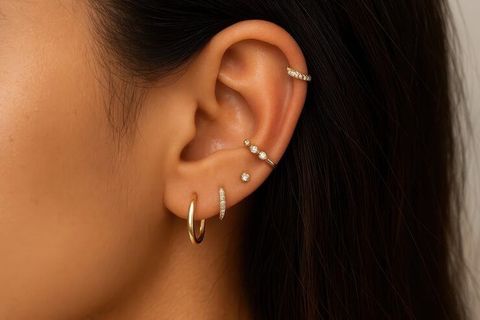
Ear piercings are a form of body modification in which jewelry is placed through a small opening made in the earlobe or cartilage. The practice has existed across many cultures for centuries and has been used for personal decoration, cultural traditions, family customs, and individual expression. Today, ear piercings include familiar earlobe piercings as well as cartilage placements such as helix, tragus, conch, daith, rook, and flat piercings.
Understanding popular placements, jewelry types, healing times, and basic care can help people understand what is involved before and after a piercing. Healing varies according to the location, jewelry, piercing technique, individual healing response, and how much the area is disturbed.
Context
Understanding ear piercing placements
The ear contains both soft tissue and cartilage, and different areas have different characteristics. The earlobe is made largely of soft tissue, while much of the upper and inner ear contains cartilage. This distinction is important because cartilage generally receives less blood flow than the earlobe and can therefore take longer to heal.
Common ear piercing placements include:
- Earlobe: The lower, softer portion of the ear and one of the most familiar piercing locations.
- Upper lobe: A piercing positioned higher on the lobe, often used alongside a standard lobe piercing.
- Helix: A piercing through the outer upper rim of the ear.
- Forward helix: A placement through the cartilage near the front of the upper ear.
- Flat: A piercing through the relatively flat cartilage area near the upper center of the ear.
- Conch: A piercing through the broad cartilage area in the middle portion of the ear.
- Tragus: A piercing through the small cartilage flap located in front of the ear canal.
- Daith: A piercing through the inner cartilage fold above the ear canal.
- Rook: A piercing through a fold of cartilage in the upper inner ear.
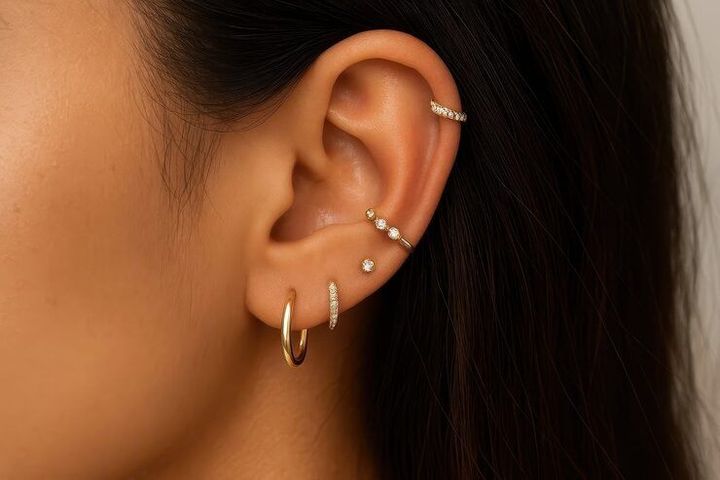
People may choose one placement or several placements. A combination of multiple piercings is sometimes described as a curated ear, where different jewelry shapes and positions are arranged together.
Why placement matters
Placement affects more than appearance. It can influence healing time, pressure from sleeping, contact with headphones or helmets, and the type of jewelry that can comfortably be worn.
An earlobe piercing generally heals faster than cartilage piercings. Cleveland Clinic notes that earlobe piercings commonly take around six to eight weeks, while several cartilage placements may require six months to a year to fully heal. Individual healing can vary.
Importance
Why understanding healing matters
A new piercing creates an opening in the skin and needs time to heal. During this period, irritation, accidental pulling, pressure, and poor hygiene can interfere with healing. Cartilage piercings require particular attention because infections in upper-ear cartilage can sometimes become more serious than infections involving the earlobe.
Basic care can include:
- Washing hands before touching the piercing.
- Keeping the area clean according to the piercer's aftercare instructions.
- Avoiding unnecessary touching, pulling, or movement.
- Keeping pillowcases, headphones, phones, and other items that contact the ear clean.
- Avoiding pressure on the piercing while sleeping.
- Avoiding swimming or prolonged submersion while the piercing is healing.
- Watching for changes such as increasing redness, warmth, swelling, pain, or unusual discharge.
Some tenderness, mild redness, itching, or pale fluid that forms a small amount of crust can occur during normal early healing. Increasing pain, significant swelling, warmth, pus, or feeling generally unwell can indicate an infection and should be assessed by a healthcare professional.
Jewelry materials and designs
Jewelry type is another important part of an ear piercing. Common forms include studs, flat-back labrets, hoops, barbells, and curved barbells. The appropriate shape depends on the placement and the stage of healing.
Material also matters. Titanium, certain grades of medical-grade steel, and suitable gold are commonly discussed for piercing jewelry. Nickel can cause allergic reactions in some people, so individuals with known metal sensitivities should discuss appropriate materials with a qualified professional.
Jewelry should also allow enough room for normal swelling during early healing. Jewelry that is too tight can place pressure on the surrounding tissue, while jewelry that is too loose can catch on clothing, hair, or other objects.
Recent Updates
Changes in jewelry standards and traceability
Recent developments in India have included changes to precious-metal hallmarking. The Bureau of Indian Standards revised the silver jewellery standard to IS 2112:2025 and introduced HUID-based hallmarking for silver jewellery and articles on a voluntary basis from September 2025. The revised system includes a BIS mark, purity grade, and HUID code.
Gold jewellery continues to use BIS hallmarking requirements in applicable areas, with the hallmark containing the BIS Standard Mark, purity information, and a six-digit HUID. The BIS Care App can be used to verify HUID information for applicable hallmarked gold jewellery.
Current ear piercing trends
From 2024 through 2026, ear piercing discussions have increasingly included multiple-placement arrangements and combinations of lobe and cartilage piercings. Small studs, flat-back designs, simple hoops, and titanium jewelry are frequently discussed in relation to everyday wear and healing considerations.
Another current emphasis is informed aftercare. Medical guidance increasingly distinguishes normal early irritation from symptoms that may indicate infection. Guidance also discourages unnecessary handling of a healing piercing and emphasizes hygiene and minimizing physical irritation.
Laws or Policies
Ear piercing rules in India
In India, rules affecting body-piercing establishments can vary according to local authority requirements, public-health rules, establishment regulations, and other applicable state or municipal provisions. There is not one simple national rule covering every aspect of ear piercing practice in every location, so local requirements may need to be checked separately.
General hygiene principles remain important regardless of location. A piercing involves breaking the skin, so appropriate hygiene, clean equipment, and suitable procedures are relevant to reducing health risks.
Jewelry and hallmarking requirements
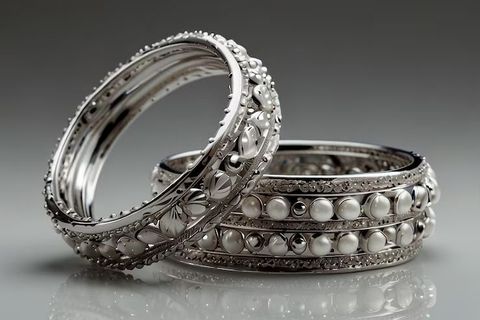
For precious-metal earrings, Indian hallmarking rules are relevant to gold and silver jewellery covered by the applicable BIS framework. BIS states that gold and silver are currently covered by its hallmarking system, with specific purity grades and marking requirements.
BIS also maintains information about registered jewellers and recognized Assaying and Hallmarking Centres. Its current information includes amendments to mandatory hallmarking orders through 2026, so applicable requirements can change over time.
For hallmarked precious-metal jewellery, BIS guidance states that invoices should contain relevant article details, including the description, net precious-metal weight, purity, and fineness.
Tools and Resources
Healing-time reference
A simple reference table can help distinguish common placements. These are general ranges rather than fixed schedules because healing varies between individuals.
| Ear Piercing Placement | General Healing Range | Main Tissue |
|---|---|---|
| Earlobe | About 6–8 weeks | Soft tissue |
| Upper lobe | Several weeks to a few months | Mostly soft tissue |
| Helix | Several months to about 1 year | Cartilage |
| Forward helix | Several months to about 1 year | Cartilage |
| Flat | Several months to about 1 year | Cartilage |
| Conch | Several months to about 1 year | Cartilage |
| Tragus | Several months to about 1 year | Cartilage |
| Daith | Several months to about 1 year | Cartilage |
| Rook | Several months to about 1 year | Cartilage |
The ranges above reflect general medical guidance, particularly the distinction between faster-healing earlobe tissue and slower-healing cartilage.
Useful resources
Several resources can help readers understand ear piercings and jewelry information:
- BIS Hallmarking resources: Useful for understanding Indian standards for applicable gold and silver jewellery.
- BIS Care App: Provides HUID verification for applicable hallmarked jewellery.
- Healthcare information websites: Medical organizations such as the NHS and Cleveland Clinic provide information about piercing aftercare and signs of infection.
- Piercing aftercare instructions: The written instructions supplied by the professional performing the piercing can provide details specific to the placement and jewelry used.
- A simple healing calendar: Recording the piercing date can help a person keep track of approximate healing periods without assuming that a particular date means the piercing is fully healed.
FAQs
How long do ear piercings take to heal?
Earlobe piercings commonly take about six to eight weeks, while cartilage piercings can take several months and sometimes up to a year. Healing time varies according to placement, jewelry, technique, and individual healing response.
What are the popular ear piercing placements?
Popular ear piercing placements include the earlobe, upper lobe, helix, forward helix, flat, conch, tragus, daith, and rook. The main differences involve the location and whether the piercing passes through soft tissue or cartilage.
What jewelry types are used for ear piercings?
Common jewelry types include studs, flat-back labrets, hoops, straight barbells, and curved barbells. The appropriate design depends on the piercing placement and its stage of healing.
What are important ear piercing care tips?
Important care tips include washing hands before touching the area, keeping the piercing clean, avoiding unnecessary handling, reducing pressure and friction, and following the aftercare instructions provided by the piercing professional. Increasing swelling, warmth, severe pain, pus, or fever can require medical evaluation.
Can cartilage piercings take longer to heal than earlobe piercings?
Yes. Cartilage has less blood supply than the softer tissue of the earlobe, so cartilage piercings generally heal more slowly. Some cartilage placements can require six to twelve months for complete healing.
Conclusion
Ear piercings range from simple earlobe placements to cartilage piercings such as helix, conch, tragus, daith, and rook. Placement, jewelry material, jewelry design, and aftercare can all influence the healing process. Earlobe piercings generally heal sooner than cartilage piercings, which may require several months or longer. Understanding normal healing signs and recognizing possible infection symptoms can help readers distinguish routine healing from situations that require professional medical attention.