Heavy Duty Pumps Explained: Types, Components, Applications, Performance and Maintenance
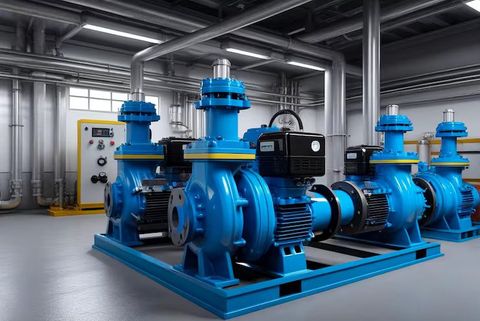
Heavy duty pumps are mechanical devices designed to move liquids through pipes, tanks, treatment systems, industrial equipment, and other fluid-handling systems. They are used in manufacturing, agriculture, construction, mining, water management, energy facilities, and many other environments where regular liquid movement is required. Understanding heavy duty pumps, their types, components, applications, performance characteristics, and maintenance practices can help readers understand how these systems operate and why proper pump selection matters.
What Are Heavy Duty Pumps?
A pump converts mechanical energy into fluid movement. Depending on its design, it can move water, chemicals, oils, wastewater, slurry, or other liquids from one location to another.
The term heavy duty generally refers to pumps designed for demanding operating conditions. These conditions can include continuous operation, high flow rates, elevated pressure, abrasive fluids, high temperatures, or liquids containing suspended particles.
Heavy duty pumps are found in both fixed installations and specialized equipment. Their design varies according to the liquid being handled and the required flow and pressure.
How Pump Technology Developed
Early pumping systems used relatively simple mechanical principles, including manually operated devices and water wheels. As industrial activity expanded, engineers developed powered pumps capable of handling larger volumes and greater pressures.
Modern pump systems commonly use electric motors, diesel engines, hydraulic drives, or other power sources. Computer-based monitoring, variable-speed drives, improved materials, and condition-monitoring technologies have also changed how industrial pumping systems are operated.
Main Types of Heavy Duty Pumps
Different pump designs are suited to different operating conditions. Common categories include:
- Centrifugal pumps use a rotating impeller to increase liquid velocity and convert it into pressure.
- Positive displacement pumps move a defined volume of liquid during each operating cycle.
- Diaphragm pumps use a flexible diaphragm to move fluids and can handle certain difficult liquids.
- Gear pumps use rotating gears to transport liquids through the pump chamber.
- Screw pumps use one or more rotating screws to move fluid along the pump body.
- Submersible pumps operate while positioned within the liquid being pumped.
- Slurry pumps are designed for liquids containing abrasive solids or suspended particles.
The appropriate design depends on factors such as liquid characteristics, required flow, pressure, temperature, solids content, and operating conditions.
Importance
Why Heavy Duty Pumps Matter
Pumping systems support many activities that people encounter indirectly every day. Water distribution, wastewater treatment, irrigation, construction, manufacturing, mining, and industrial processing all depend on controlled liquid movement.
In industrial facilities, a pump may transfer water between storage tanks, circulate cooling liquid, move process fluids, or transport wastewater. A pump problem can therefore affect several connected parts of a system.
Applications Across Industries
Heavy duty pumps are used in a wide range of environments. Typical applications include:
- Water treatment and wastewater movement
- Agricultural irrigation
- Mining and mineral processing
- Construction and excavation
- Chemical processing
- Oil and gas operations
- Power generation
- Manufacturing plants
- Food and beverage processing
- Fire protection systems
- Marine and port facilities
The liquid itself strongly influences pump selection. Clean water, abrasive slurry, corrosive chemicals, and high-temperature fluids require different materials and pump configurations.
Main Performance Factors
Pump performance is commonly evaluated using several technical measurements. Flow rate describes how much liquid moves through the system over a given period. Head represents the energy required to move liquid through a system, including elevation and resistance from pipes and equipment.
Efficiency compares useful hydraulic output with the energy supplied to the pump system. Other important factors include motor power, rotational speed, pressure, temperature, vibration, and operating range.
A pump operating far away from its intended operating point may experience increased vibration, energy use, wear, or unstable flow.
Common Performance Terms
| Parameter | General Meaning | Why It Matters |
|---|---|---|
| Flow rate | Volume of liquid moved over time | Indicates pumping capacity |
| Head | Energy needed to move liquid | Helps determine pressure requirements |
| Efficiency | Useful output compared with energy input | Indicates energy performance |
| Pressure | Force exerted by the moving liquid | Important for system operation |
| Speed | Rotational speed of the pump | Influences flow and pressure |
| Temperature | Thermal condition of the fluid | Affects materials and operation |
| Viscosity | Resistance of a liquid to flow | Influences pump selection |
| Solids content | Amount of suspended material | Important for slurry handling |
Recent Updates
Changes in Pump Standards
Pump standards and conformity requirements continue to develop in India. The Bureau of Indian Standards maintains standards covering different pump categories, including industrial, agricultural, submersible, and centrifugal pumps. Recent standards activity includes updated specifications such as IS 6595 Part 2:2024 for horizontal centrifugal pumps, with laboratory implementation recorded during 2025.
India's machinery safety framework has also undergone changes. BIS information on the Machinery and Electrical Equipment Safety framework identifies pumps among covered machinery and references amendments issued during 2025 and a subsequent 2026 order.
Greater Attention to Energy Performance
Energy efficiency has become an important consideration in pumping systems because pumps can operate for long periods and are often connected to electric motors. Building energy guidance in India includes requirements related to pump operating points, motor efficiency classes, and overall pump-system efficiency.
Variable-frequency drives, improved motor technologies, automated controls, and monitoring systems are increasingly used to match pump operation with changing system requirements.
Monitoring and Digital Technologies
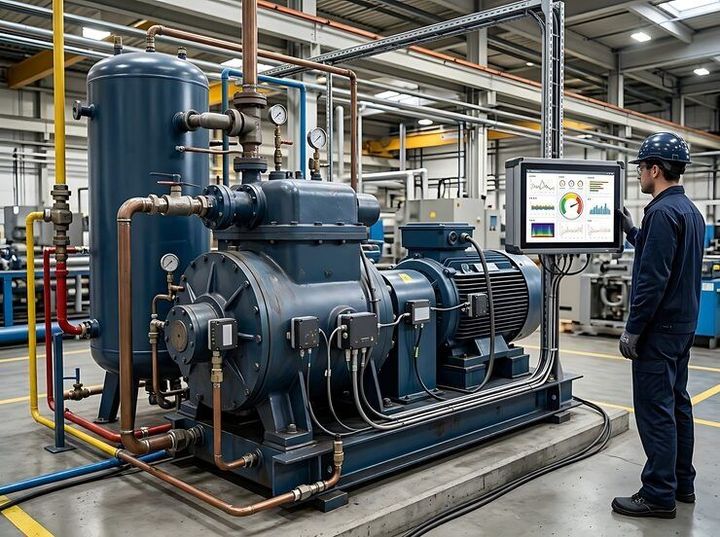
Modern pumping installations increasingly use sensors to monitor pressure, temperature, vibration, motor current, and flow. These measurements can help identify unusual operating conditions before they develop into larger mechanical problems.
Digital monitoring can also provide operating records that help engineers compare actual pump performance with expected conditions.
Laws or Policies
Indian Standards and BIS Requirements
In India, the Bureau of Indian Standards develops Indian Standards for numerous pump categories and related equipment. BIS provides the "Know Your Standard" platform, which allows users to search standards by product name or Indian Standard number and access related documents and information.
BIS certification is generally voluntary unless a government notification or applicable regulation makes conformity mandatory for a particular product or category. Therefore, requirements should be checked according to the specific pump, application, and current regulatory notification.
Environmental and Water-Related Rules
Industrial pumping systems may also operate within environmental requirements covering water use, wastewater discharge, pollution control, and environmental permissions. The Central Pollution Control Board and State Pollution Control Boards have responsibilities under India's environmental regulatory framework.
A 2024 notification concerning the Water (Prevention and Control of Pollution) Act introduced certain exemptions for specified industrial plants under stated conditions. The applicability depends on the facility and its classification, so a pump installation should not be considered separately from the wider industrial process.
Energy Efficiency Considerations
The Bureau of Energy Efficiency maintains programs and guidance related to energy efficiency in India. Its published equipment schedules include categories such as general-purpose industrial motors and submersible pump sets.
Industrial facilities may also fall under broader energy-efficiency programs depending on their industry and energy use. Pump selection, motor efficiency, operating conditions, and control methods can therefore be relevant to overall energy management.
Tools and Resources
Pump Selection Tools
Pump selection generally requires information about flow rate, head, fluid properties, temperature, solids content, pipe dimensions, and operating conditions. Manufacturer pump curves and engineering calculation tools can help users understand whether a particular pump design fits a stated duty.
Useful calculations may include:
- Flow-rate calculations
- Total dynamic head calculations
- Hydraulic power calculations
- Pump efficiency calculations
- Pipe pressure-loss calculations
- Motor power calculations
- Operating-point comparisons
Standards and Technical References
The BIS "Know Your Standard" platform can be used to locate relevant Indian Standards and associated information. BIS also publishes material related to pump selection, installation, operation, and maintenance.
For energy-related information, the Bureau of Energy Efficiency provides guidance covering equipment efficiency and industrial energy management.
Maintenance Records
A simple maintenance record can help track operating conditions over time. Useful fields include operating hours, flow, pressure, vibration observations, motor current, temperature, lubrication activity, seal condition, and inspection findings.
Regular records can make changes easier to identify because current measurements can be compared with previous operating conditions.
FAQs
What are heavy duty pumps used for?
Heavy duty pumps are used to move liquids in demanding applications such as mining, manufacturing, wastewater treatment, construction, agriculture, power generation, and chemical processing. The exact pump design depends on the liquid and operating conditions.
What are the main types of heavy duty pumps?
Common types include centrifugal pumps, positive displacement pumps, diaphragm pumps, gear pumps, screw pumps, submersible pumps, and slurry pumps. Each design uses a different method of moving liquid.
What components are found in heavy duty pumps?
Common components include the casing, impeller or pumping element, shaft, bearings, seals, suction connection, discharge connection, motor or other drive, and coupling where applicable. The exact configuration varies by pump type.
How is heavy duty pump performance measured?
Pump performance is commonly evaluated using flow rate, head, pressure, efficiency, power consumption, speed, temperature, and vibration. Comparing these measurements with the intended operating range can help identify changes in system behavior.
What maintenance does a heavy duty pump require?
Typical maintenance includes checking for unusual vibration or noise, inspecting seals and bearings, monitoring temperature and pressure, checking alignment, examining electrical connections, and following the applicable lubrication and inspection schedule. Maintenance requirements vary according to pump design and operating environment.
Conclusion
Heavy duty pumps are important components in systems that move water, chemicals, wastewater, slurry, and other liquids. Their performance depends on pump design, fluid characteristics, flow requirements, pressure, installation, and operating conditions. Recent developments in standards, energy efficiency, monitoring, and machinery safety are influencing modern pump systems in India. Understanding pump types, components, applications, performance measurements, and maintenance principles provides a useful foundation for understanding industrial fluid-handling systems.