Hydraulic Valve Guide: Designs, Working Principles, Functions, Applications and Selection Factors
Hydraulic valves are important components in systems that use pressurized fluid to control mechanical movement. A hydraulic valve manages the direction, pressure, or flow of hydraulic fluid so that equipment can perform controlled actions. This hydraulic valve guide explains common designs, working principles, functions, applications, selection factors, recent developments, and relevant considerations for users who want to understand how these components operate.
Context
What Is a Hydraulic Valve?
A hydraulic valve is a mechanical or electronically controlled device placed within a hydraulic circuit. It controls how pressurized fluid moves between components such as pumps, cylinders, motors, and reservoirs. By controlling fluid movement, a valve can help determine whether a machine component extends, retracts, rotates, stops, or holds its position.
Hydraulic systems have been used for many decades because liquids can transmit force through relatively compact components. Early hydraulic equipment relied mainly on manually operated valves and simple mechanical controls. As industrial machinery developed, hydraulic valve designs became more varied and precise.
How Hydraulic Valves Work
A hydraulic system normally includes a pump that moves fluid through pipes or hoses. The valve determines where that fluid goes and under what pressure or flow conditions.
The basic process can be understood in three stages: the pump generates fluid flow, the valve controls that flow, and an actuator converts hydraulic energy into mechanical movement. Depending on the valve design, control may be performed with a lever, spring, solenoid, pilot pressure, or electronic signal.
Main Hydraulic Valve Designs
Several designs are used because different machines require different types of fluid control.
- Directional control valves determine the path of hydraulic fluid.
- Pressure control valves regulate or limit system pressure.
- Flow control valves regulate the amount of fluid moving through a circuit.
- Check valves allow fluid to move primarily in one direction.
- Proportional valves provide more gradual control than simple on/off valves.
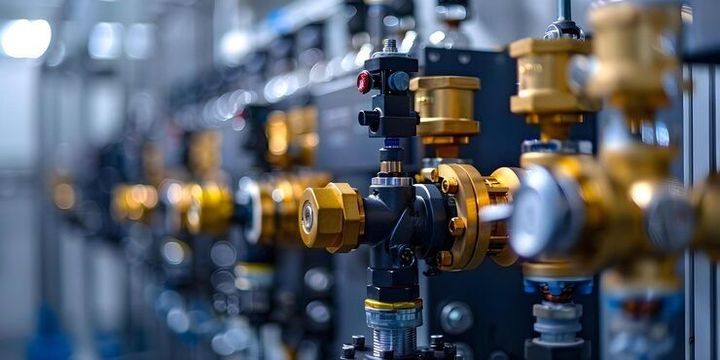
Valve construction can also vary. Common arrangements include spool valves, poppet valves, cartridge valves, and rotary valves.
Importance
Why Hydraulic Valves Matter
Hydraulic valves influence how safely and accurately a hydraulic machine performs its intended movement. A suitable valve arrangement can help a system maintain pressure, control actuator speed, prevent unwanted reverse flow, and direct fluid to the required circuit.
The topic matters to many industries because hydraulic systems are used in equipment that handles heavy loads or requires controlled movement. These systems can be found in manufacturing machinery, construction equipment, agricultural machines, material-handling equipment, presses, lifting systems, and mobile machinery.
Problems Addressed by Valve Systems
Without suitable hydraulic control, fluid could move through a circuit without the required direction, pressure, or flow regulation. This can affect machine movement and may increase mechanical stress.
Hydraulic valves help address several practical requirements:
- Controlling the direction of actuator movement
- Limiting excessive system pressure
- Regulating actuator speed
- Preventing reverse fluid movement
- Holding hydraulic loads in selected conditions
- Coordinating multiple hydraulic functions
Correct valve selection also matters because hydraulic circuits can operate at different pressures, flow rates, temperatures, and fluid conditions.
Hydraulic Valve Functions
The main function depends on the valve category. A directional valve controls fluid paths, while a pressure relief valve limits pressure when it reaches a specified setting. A flow control valve changes the rate at which fluid passes through a circuit.
Some systems combine several valve functions in a single manifold or valve assembly. This can reduce the number of separate connections and create a more organized hydraulic circuit.
Recent Updates
Developments in Hydraulic Valve Technology
From 2024 through 2026, hydraulic control technology has continued moving toward greater electronic integration and more precise control. Electrically controlled proportional valves and electronically managed hydraulic systems are increasingly associated with automation, machine monitoring, and computer-based control.
Another continuing trend is the integration of sensors and digital monitoring. Sensors can measure parameters such as pressure, temperature, flow, or actuator position. When connected to a control system, this information can help operators understand how a hydraulic circuit is performing.
Energy and System Efficiency
Energy efficiency has also received attention in hydraulic system design. Valve selection affects pressure losses and flow control, so designers increasingly consider the complete circuit rather than treating the valve as an isolated component.
Modern systems may combine variable-speed pumps, electronic controls, proportional valves, and monitoring systems. The purpose is generally to match hydraulic output more closely with the machine's operating requirements.
Updated Standards and Technical References
India's standards framework continues to reference international hydraulic fluid power standards. For example, BIS material identifies Indian standards corresponding to ISO documents covering hydraulic fluid power terminology, connections, filters, and valve mounting surfaces. BIS also records newer revisions and reviews of relevant standards.
These developments show a continuing movement toward standardized terminology, connection dimensions, testing methods, and technical compatibility.
Laws or Policies
Workplace Safety in India
Hydraulic equipment used in Indian workplaces is affected by occupational safety requirements. The Occupational Safety, Health and Working Conditions Code, 2020 came into force on 21 November 2025 as part of India's labour-code framework. The framework addresses workplace safety and includes matters such as machinery safety and pressure plants.
The Central Government notified the Occupational Safety, Health and Working Conditions Central Rules in 2026, adding operational requirements under the Code.
Standards and Compliance
Bureau of Indian Standards resources can be used to identify applicable Indian Standards for particular hydraulic components and related equipment. BIS provides a standards search facility where users can search by an Indian Standard number or product-related keyword.
Not every hydraulic valve is governed by one universal Indian product standard. Requirements can depend on the machine, industry, pressure level, installation environment, and intended application. Equipment used in specialized sectors may therefore have additional technical or regulatory requirements.
Tools and Resources
Hydraulic Calculation Tools
Hydraulic calculators can help users estimate relationships between pressure, flow, force, actuator area, and fluid velocity. For example, cylinder force can be estimated from hydraulic pressure and piston area.
A basic relationship is:
Force = Pressure × Area
These calculations provide general engineering information, but actual machine design requires consideration of losses, component ratings, temperature, fluid characteristics, and operating conditions.
Hydraulic Circuit Diagrams
Hydraulic circuit diagrams are useful for understanding how pumps, valves, cylinders, motors, filters, reservoirs, and other components interact. Standard symbols make it easier to identify valve positions and fluid paths without relying on physical equipment.
Standards and Technical References
Useful resources include:
- Bureau of Indian Standards for Indian Standards and technical references
- ISO publications covering hydraulic fluid power terminology and components
- Manufacturer technical manuals for specific valve configurations
- Hydraulic circuit-design references
- Pressure and flow calculation tools
- Equipment documentation showing operating pressure and flow requirements
Technical documentation should be checked against the actual equipment because valve dimensions, pressure ratings, connections, and control methods can differ between systems.
Hydraulic Valve Selection Factors
Selecting a hydraulic valve involves several technical factors. Important considerations include:
| Selection factor | What it determines |
|---|---|
| Pressure rating | Maximum intended operating pressure |
| Flow capacity | Amount of hydraulic fluid the valve can handle |
| Valve type | Direction, pressure, or flow control |
| Port size | Connection compatibility |
| Control method | Manual, mechanical, hydraulic, pneumatic, or electrical control |
| Fluid type | Compatibility with the hydraulic medium |
| Temperature range | Suitable operating conditions |
| Mounting arrangement | How the valve connects to the system |
| Response characteristics | How quickly the valve changes flow conditions |
| Environment | Exposure to dust, moisture, heat, or vibration |
The valve should be compatible with the complete hydraulic circuit rather than selected only according to physical dimensions.
FAQs
What is a hydraulic valve used for?
A hydraulic valve controls the direction, pressure, or flow of hydraulic fluid. Its function depends on its design and position within the hydraulic circuit.
What are the main types of hydraulic valves?
Common types include directional control valves, pressure control valves, flow control valves, check valves, and proportional valves. Each type performs a different control function.
How does a hydraulic valve work?
A hydraulic valve changes or regulates the path available to pressurized fluid. Depending on the design, this can be done through a spool, poppet, cartridge, lever, spring, solenoid, pilot pressure, or electronic control.
What factors should be considered in hydraulic valve selection?
Important factors include operating pressure, flow rate, fluid compatibility, port size, control method, temperature, mounting arrangement, response characteristics, and environmental conditions.
Where are hydraulic valves commonly used?
Hydraulic valves are used in construction machinery, manufacturing equipment, agricultural machinery, lifting systems, presses, material-handling equipment, mobile machinery, and other systems that use hydraulic power.
Conclusion
Hydraulic valves control important aspects of fluid movement within hydraulic systems, including direction, pressure, and flow. Their designs range from simple check valves and manually controlled directional valves to electronically controlled proportional systems. Recent developments have placed greater attention on electronic control, monitoring, standardization, and energy-aware hydraulic system design. In India, hydraulic equipment is also used within a workplace safety framework that includes the Occupational Safety, Health and Working Conditions Code and applicable technical standards.

You May Also Like