Industrial Thermal Batteries Guide: Working Principles, Energy Storage Methods and Industrial Uses
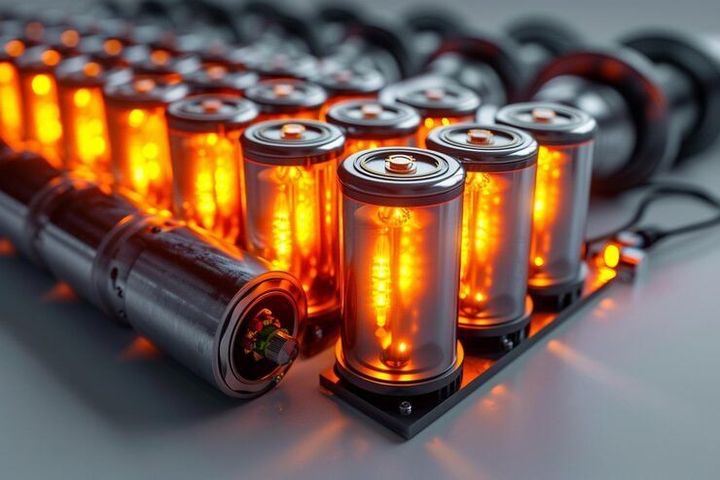
Industrial thermal batteries are energy storage systems that store energy as heat and release it when an industrial process requires thermal energy. They are increasingly discussed alongside renewable electricity, industrial electrification, and methods for reducing dependence on fossil fuels. Unlike conventional batteries that primarily store energy through electrochemical reactions, thermal batteries store energy in materials that become hotter, change phase, or undergo reversible thermochemical reactions.
Context
Industrial thermal batteries are energy storage systems that store energy as heat and release it when an industrial process requires thermal energy. They are increasingly discussed alongside renewable electricity, industrial electrification, and methods for reducing dependence on fossil fuels. Unlike conventional batteries that primarily store energy through electrochemical reactions, thermal batteries store energy in materials that become hotter, change phase, or undergo reversible thermochemical reactions.
The basic idea of thermal energy storage has existed for centuries. Water tanks, heated stones, masonry, and insulated storage vessels have all been used to retain heat for later use. Modern industrial thermal batteries build on these principles through engineered storage materials, insulation, heat exchangers, sensors, and control systems that manage charging and heat delivery.
How Industrial Thermal Batteries Work
An industrial thermal battery generally operates through three stages: charging, storing, and discharging. During charging, electricity, recovered waste heat, or another suitable energy source heats a storage material. Insulation helps retain the energy until it is needed, while a heat transfer system releases the stored heat to equipment or processes during discharge.
The heat may be delivered as hot air, steam, heated fluid, or direct heat, depending on the system design. Some thermal batteries operate at relatively moderate temperatures for water heating or building systems, while others are engineered for high-temperature industrial processes such as drying, metal processing, and manufacturing.
A thermal battery is not necessarily a device that produces electricity. Many industrial systems are designed specifically to deliver heat, because industrial facilities often need thermal energy directly for production.
Main Industrial Thermal Battery Types
Thermal batteries use different storage methods depending on the temperature range, required storage duration, materials, and intended application.
Sensible heat storage: Energy is stored by raising the temperature of a material without changing its physical state. Water, rocks, ceramics, and certain solid materials can be used for this purpose.
Latent heat storage: Energy is absorbed or released when a material changes phase, such as from solid to liquid. Phase-change materials can store thermal energy within a selected temperature range.
Thermochemical storage: Energy is stored through a reversible chemical reaction or a process involving adsorption or absorption. Depending on the material, heat can later be released when the reaction or process is reversed.
High-temperature solid storage: Materials such as refractory bricks, ceramics, or specially selected solid media are heated and insulated to retain energy for industrial use.
Each approach involves different engineering requirements. Sensible heat systems are relatively straightforward in principle, while phase-change and thermochemical systems can require more specialized materials and controls.
Comparing Thermal Energy Storage Methods
| Storage method | How energy is stored | Common applications |
|---|---|---|
| Sensible heat | Temperature increase in a material | Hot water, process heating |
| Latent heat | Change of physical phase | Temperature-controlled heating |
| Thermochemical | Reversible chemical or sorption process | Specialized thermal storage |
| High-temperature solid storage | Heat retained in solid materials | Industrial furnaces and process heat |
The table provides general categories rather than fixed performance ratings. Actual storage capacity, temperature, efficiency, and discharge duration depend on material properties, insulation, equipment design, and operating conditions.
Importance
Industrial thermal batteries matter because many industrial activities require substantial and continuous heat. Food processing, paper production, chemical manufacturing, textiles, cement production, and metalworking may all use thermal energy for drying, heating, melting, cleaning, or maintaining process temperatures. In facilities where heat demand varies throughout the day, storing energy can help separate the time when energy is collected from the time when heat is needed.
Thermal energy storage can also help make use of electricity generated when renewable power is available. Instead of requiring all electricity to be consumed immediately, an electric heating system can charge a thermal battery and release the heat later. The practical value depends on electricity prices, the facility's operating schedule, the required temperature, and the storage system's losses.
Industrial Problems Thermal Batteries Can Address
Thermal batteries can support several operational needs:
Heat demand management: Stored heat can help meet periods of high demand without requiring the heating equipment to operate at full output continuously.
Renewable energy integration: Electricity from renewable sources can be converted into heat and stored for later industrial use.
Waste heat recovery: Heat from selected industrial processes can be captured and transferred to another process or stored, where temperatures and equipment arrangements permit.
Fuel-use reduction: Electrically charged thermal storage may replace some direct fossil-fuel heating when the equipment and process are suitable.
Process stability: A thermal storage unit can provide a buffer between variable heat production and a more consistent demand for heat.
These benefits are not automatic. Storage losses, conversion efficiency, operating temperature, available space, and the source of electricity all affect the overall result. Some industrial processes also require very precise temperature control or continuous heat delivery, which can limit the suitability of particular thermal battery designs.
Thermal Batteries Compared with Other Energy Storage
Thermal batteries differ from electrical batteries and other energy storage systems in their primary output.
| System type | Stored energy | Typical output |
|---|---|---|
| Thermal battery | Heat | Hot air, steam, or heated fluid |
| Lithium-ion battery | Electrochemical energy | Electricity |
| Pumped hydro storage | Gravitational potential energy | Electricity |
| Hydrogen storage | Chemical energy | Hydrogen for later use |
| Hot water tank | Sensible heat | Hot water or transferred heat |
A thermal battery may be useful when a factory needs heat directly. If the stored heat must first be converted back into electricity, additional equipment and conversion losses can affect the system's overall performance.
Recent Updates
Industrial thermal battery development is increasingly linked to renewable electricity, industrial decarbonization, and the modernization of heat-intensive manufacturing. Across 2024–2026, attention has continued to focus on high-temperature storage materials, electric heating equipment, thermal system controls, and ways to integrate storage with existing factory operations. Commercial readiness and performance vary across technologies, and not every design is suitable for every industrial process.
High-Temperature Storage and Electrification
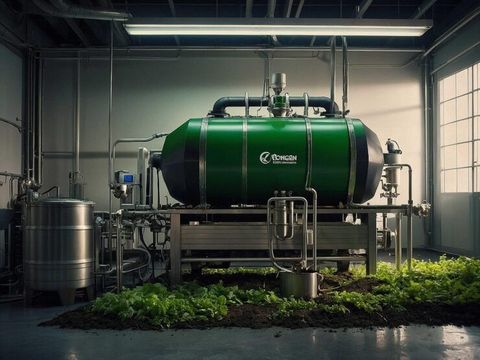
One area of development involves using electricity to heat solid materials, which then retain thermal energy inside insulated containers. During discharge, air or another heat transfer medium passes through or around the heated material, carrying energy to an industrial process. Depending on the design, the output may be used for drying, steam generation, or other heating requirements.
Industrial electrification is also encouraging the integration of thermal storage with electric boilers, resistance heaters, and other heating equipment. These arrangements can allow energy to be converted into heat when electricity is available and used later according to production requirements. Their performance depends on system design, electricity supply, temperature requirements, and the heat demand profile.
Digital Controls and Waste Heat Recovery
Sensors and control software help operators monitor storage temperature, charging rates, heat delivery, and insulation performance. Some systems can coordinate charging with electricity availability or factory schedules, although the degree of automation differs between installations.
Waste heat recovery is another important area. Heat from exhaust gases, industrial equipment, or other processes may be suitable for storage if its temperature and composition match the system's requirements. Capturing this heat can reduce the need for additional energy input, but practical implementation depends on heat quality, contamination risks, and the distance between the heat source and its intended use.
Laws or Policies
Industrial thermal batteries are affected by regulations governing electrical installations, industrial equipment, workplace safety, emissions, and energy use. Applicable requirements depend on the technology, operating temperature, facility type, and location. A thermal storage unit using electrical heating may face different technical requirements from one integrated with a pressurized steam system or a chemical process.
Energy and Industrial Policies in India
In India, industrial energy projects may be influenced by national energy-efficiency programs, renewable energy policies, electricity regulations, and state-level industrial requirements. The Bureau of Energy Efficiency (BEE) supports energy-efficiency initiatives and implements relevant provisions of the Energy Conservation Act, 2001, as amended. Specific obligations depend on the facility, its industrial category, and applicable rules.
India's National Green Hydrogen Mission focuses on developing a hydrogen ecosystem and related industrial capabilities. Although hydrogen and thermal batteries are different technologies, broader industrial decarbonization efforts can affect how factories assess alternatives to fossil-fuel heat. Support programs and eligibility conditions may change, so the existence of a national initiative does not mean that every thermal storage project qualifies for assistance.
Safety, Electrical Standards, and Environmental Requirements
Industrial thermal battery installations may need to comply with applicable electrical safety rules, fire protection requirements, building regulations, and machinery standards. High-temperature systems require appropriate insulation, guarding, temperature controls, and procedures for handling hot surfaces and heat transfer equipment.
Environmental requirements may also apply to the facility and its associated heating systems. For example, replacing a fuel-fired process with electric heat can change on-site emissions, but the overall environmental effect also depends on the electricity source and the efficiency of the complete system. Project planning should account for the relevant local permits, safety assessments, and technical standards.
Tools and Resources
Tools for assessing industrial thermal batteries help engineers estimate heat demand, compare storage methods, and determine how a proposed installation might fit into existing production operations. The calculations are estimates and depend on reliable measurements of temperatures, energy flows, and operating schedules.
Thermal Storage Calculators and Technical Resources
A basic thermal storage estimate can begin with the energy required to heat a material. For sensible heat storage, the approximate thermal energy is calculated using the material's mass, specific heat capacity, and temperature change:
[
Q = m \times c_p \times \Delta T
]
Here, (Q) represents stored thermal energy, (m) is the material mass, (c_p) is its specific heat capacity, and (\Delta T) is the temperature increase. This equation estimates the heat absorbed by the material; it does not include losses through insulation, equipment, or heat transfer.
Useful technical resources include:
Bureau of Energy Efficiency (BEE): Indian energy-efficiency guidance and industrial energy management information.
International Energy Agency (IEA): Research on industrial heat, energy storage, and decarbonization.
National Renewable Energy Laboratory (NREL): Technical research on thermal energy storage and renewable energy integration.
U.S. Department of Energy: Industrial decarbonization and thermal energy storage research.
International Electrotechnical Commission (IEC): Relevant electrical and industrial equipment standards.
These resources provide background information, technical publications, and policy material. The suitability of a particular design still requires assessment against the facility's operating conditions.
Planning an Industrial Thermal Battery Project
A preliminary assessment can record hourly heat demand, required process temperatures, existing fuel or electricity use, and periods when renewable electricity is available. Engineers can then estimate the required storage capacity and discharge duration.
A practical planning worksheet may include the following information:
Heat demand in kilowatts or megawatts.
Required heat delivery temperature and acceptable temperature variation.
Storage duration and charging schedule.
Expected thermal losses and heat transfer requirements.
Available installation space and electrical capacity.
Maintenance needs, safety controls, and integration with existing equipment.
Comparing these factors helps distinguish theoretical storage capacity from the useful heat that a factory can actually receive during operation.
FAQs
What is an industrial thermal battery?
An industrial thermal battery is a system that stores energy as heat for later use in manufacturing or other industrial operations. It may use heated solids, phase-change materials, or thermochemical processes to retain and release thermal energy.
How do industrial thermal batteries store energy?
Industrial thermal batteries store energy by increasing a material's temperature, changing its physical phase, or using a reversible chemical process. Insulation and heat transfer equipment help retain and deliver the stored energy.
What are the main industrial uses of thermal batteries?
Applications include process heating, drying, steam generation, food processing, chemical manufacturing, and selected metalworking operations. The appropriate application depends on the required temperature, heat demand, and system design.
Can industrial thermal batteries use renewable electricity?
Yes. Electric heating equipment can convert renewable electricity into heat, which a thermal battery stores for later use. The overall performance depends on electricity availability, storage losses, and the facility's heat requirements.
What is the difference between a thermal battery and an electrical battery?
A thermal battery primarily stores energy as heat and delivers thermal energy, while an electrical battery stores energy electrochemically and supplies electricity. Each system serves different operational needs, although both can contribute to broader energy storage strategies.
Conclusion
Industrial thermal batteries store heat for later use in manufacturing and other industrial processes. Their main storage methods include sensible heat, latent heat, and thermochemical storage, each with different operating characteristics. Integration with renewable electricity, industrial heating equipment, and waste heat recovery can support energy management, depending on technical and operational conditions. Safety requirements, storage losses, temperature needs, and applicable regulations remain important considerations.