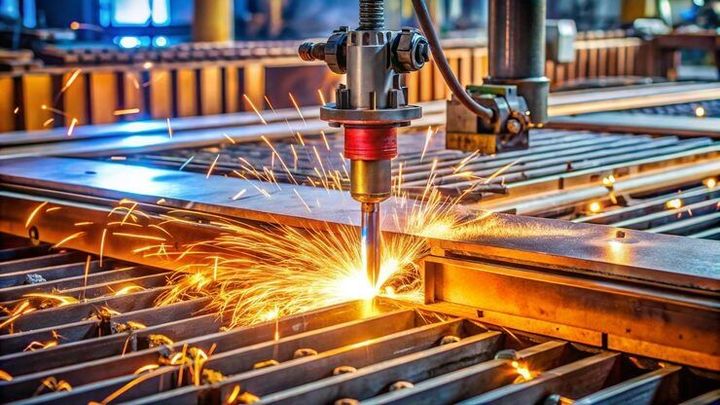
Plasma Cutting Machines Information: Types, Components, Applications, Benefits, Safety, and Maintenance
Plasma cutting machines are industrial and workshop tools used to cut electrically conductive metals into specific shapes and sizes. The process uses an electrical arc and a high-velocity stream of ionized gas, known as plasma, to generate enough heat to melt metal while the gas stream removes the molten material. Common materials include carbon steel, stainless steel, aluminum, copper, brass, and other conductive alloys.
The technology developed as an alternative to several conventional metal-cutting methods. Instead of depending on mechanical contact between a cutting blade and the workpiece, plasma cutting uses thermal energy. This makes the process suitable for applications where metal sheets, plates, tubes, and fabricated components need to be cut into straight lines, curves, holes, or other programmed shapes.
Plasma cutting machines range from compact handheld units to large computer numerical control (CNC) systems. A handheld machine may be used for repair and fabrication tasks, while CNC equipment can automatically follow programmed cutting paths across larger metal sheets.
How Plasma Cutting Works
A plasma cutting system passes compressed air or another suitable gas through a narrow torch opening. Electrical energy creates an arc that ionizes the gas, turning it into plasma. The concentrated plasma stream reaches a very high temperature and melts the metal along the cutting path. The gas flow then pushes the molten material away from the cut.
The workpiece normally forms part of the electrical circuit through a work lead or grounding connection. The torch contains several components that help control the plasma arc and gas flow.
The basic process can be summarized as:
- The power source supplies electrical energy.
- Gas moves through the torch.
- An arc ionizes the gas.
- The plasma stream melts the metal.
- Gas pressure removes molten material.
- Movement of the torch creates the desired cut.
Importance
Plasma cutting machines are important in metal fabrication because they can process many electrically conductive materials and can be configured for both manual and automated work. They are used in manufacturing, construction-related fabrication, maintenance activities, shipbuilding, automotive work, metalworking, and educational environments.
The technology is particularly useful when a project requires repeated shapes or relatively rapid cutting of conductive sheet and plate materials. CNC plasma systems can combine computer-controlled movement with cutting parameters, allowing the same design to be reproduced across multiple workpieces.
Main Types of Plasma Cutting Machines
Different plasma cutting machines are designed around different operating requirements.
Handheld plasma cutters are compact systems in which an operator manually moves the torch across the workpiece. They are commonly used for repair, fabrication, maintenance, and smaller cutting tasks.
CNC plasma cutting machines use computer-controlled movement to guide the torch according to a programmed design. They are suitable for repeated shapes, intricate profiles, and production environments where consistent positioning is important.
Conventional plasma systems use standard plasma technology for general metal cutting. Their performance depends on factors such as power capacity, gas supply, material thickness, torch condition, and operator technique.
High-definition or precision plasma systems are engineered for applications where tighter control of the plasma arc and cutting parameters is required. These systems may incorporate more advanced torch technology, height control, and computerized settings.
Types Based on Gas and Operating Method
Plasma systems can use compressed air or specific gases depending on the machine and material. Common plasma gases include air, nitrogen, argon, hydrogen, or combinations of gases. The appropriate gas depends on the equipment design and the intended cutting application.
Some systems use different starting technologies, including high-frequency and non-high-frequency methods. The starting method can influence equipment compatibility and the surrounding electrical environment.
Components
A plasma cutting machine consists of several interconnected systems. Understanding these components helps explain how the cutting process operates and why maintenance is important.
Power Supply
The power supply converts incoming electrical power into the electrical output required to establish and maintain the plasma arc. Its capacity influences the machine's cutting range and operating characteristics.
Plasma Torch
The torch directs the plasma toward the workpiece. It contains several consumable and non-consumable components that control the arc and gas flow.
Important torch components can include the electrode, nozzle, shield, swirl ring, and retaining components. These parts experience heat and wear during operation.
Gas System
The gas system supplies the plasma-forming gas at the pressure and flow specified by the equipment manufacturer. Incorrect gas pressure or inadequate flow can affect arc stability and cut quality.
Work Lead and Ground Connection
The work lead connects the cutting system electrically to the workpiece. A secure connection is important for maintaining the intended electrical circuit.
Control System
Manual machines generally use operator controls for current and operating functions. CNC systems add computerized controls that coordinate torch movement, cutting paths, and other parameters.
Cooling System
Some higher-capacity plasma systems use air or liquid cooling to manage heat generated during operation. The specific cooling arrangement depends on the machine design.
| Component | Primary Function |
|---|---|
| Power supply | Provides electrical energy |
| Torch | Directs the plasma arc |
| Electrode | Helps establish the arc |
| Nozzle | Constricts and directs the plasma stream |
| Gas system | Supplies plasma-forming gas |
| Work lead | Completes the electrical circuit |
| Control system | Regulates operation and movement |
| Cooling system | Manages operating heat |
Applications
Plasma cutting machines are used across several industries because they can cut many conductive metals.
Metal Fabrication
Fabrication workshops use plasma systems for cutting sheet metal, plates, structural components, brackets, panels, and custom shapes. CNC systems can follow digital drawings to produce repeated profiles.
Construction and Structural Work
Metal components used in construction may require cutting before assembly or welding. Plasma equipment can be used for preparing plates, brackets, supports, and other conductive metal parts.
Automotive Applications
Automotive workshops can use plasma cutters for bodywork, exhaust-related components, restoration projects, frames, and other metal parts. The appropriate equipment depends on the material thickness and required accuracy.
Shipbuilding and Marine Fabrication
Large metal structures used in marine applications often require extensive cutting. Plasma systems can be incorporated into automated cutting tables for processing metal plates and profiles.
Industrial Maintenance
Maintenance teams may use handheld plasma equipment when damaged or unwanted metal components need to be removed. Proper workplace controls are necessary because plasma cutting produces heat, fumes, radiation, sparks, and noise.
Artistic and Educational Applications
Plasma technology can also be used for metal artwork, educational demonstrations, prototypes, and small fabrication projects. CNC systems allow designs to be converted into programmed cutting paths.
Benefits
Plasma cutting machines have several technical characteristics that make them useful for conductive-metal applications.
Versatility
A plasma system can process different electrically conductive metals, including steel, stainless steel, aluminum, copper, brass, and other alloys.
Cutting Speed
The concentrated plasma arc can cut metal rapidly, particularly when the machine is appropriately matched to the material and thickness. Actual cutting speed varies according to the machine, amperage, gas conditions, material, and required cut quality.
CNC Compatibility
CNC plasma systems can integrate computer-controlled movement. This allows complex shapes to be programmed and reproduced with consistent positioning.
Portability
Smaller handheld plasma cutters can be transported between work areas. This can be useful for repair and fabrication tasks where a large cutting table is impractical.
Reduced Mechanical Contact
Unlike mechanical saws, plasma cutting does not require a cutting blade to physically pass through the metal. This allows the torch to follow various cutting paths without the same type of blade contact involved in mechanical cutting.
Safety
Plasma cutting is a hot-work process involving electrical energy, intense light, molten metal, fumes, gases, noise, and fire hazards. Appropriate engineering controls, work practices, and personal protective equipment are important. OSHA identifies noise, fumes and gases, ultraviolet and infrared radiation, electrical current, and hot metal as hazards associated with plasma arc cutting.
Personal Protective Equipment
Depending on the workplace hazard assessment, protective equipment can include:
- Appropriate eye and face protection.
- Protective clothing.
- Heat-resistant gloves.
- Suitable footwear.
- Hearing protection where required.
- Respiratory protection where engineering controls do not adequately control airborne hazards.
Eye protection is particularly important because plasma cutting produces intense radiant energy. OSHA specifies filter-lens requirements for plasma arc cutting according to the cutting conditions.
Ventilation and Fume Control
Cutting metals can generate fumes and gases. Adequate local exhaust ventilation or another appropriate engineering control should be used where required.
The material being cut also matters. Coatings, paints, plating, and residues can create additional airborne hazards when heated.
Electrical Safety
The machine should be properly installed and grounded according to applicable electrical requirements and manufacturer instructions. Connections should be inspected before operation, and damaged cables or insulation should not be used. OSHA requires appropriate grounding and inspection practices for arc-cutting equipment.
Fire Prevention
Hot metal, sparks, and molten particles can ignite combustible materials. The cutting area should therefore be assessed before work begins, and combustible materials should be controlled or removed as appropriate.
Screens or barriers can also help protect nearby personnel from arc radiation and sparks.
Maintenance
Regular maintenance helps keep a plasma cutting system operating within its intended parameters. Maintenance requirements vary according to machine design, operating frequency, material, and manufacturer instructions.
Inspect Consumables
The electrode and nozzle are exposed to substantial heat and electrical activity. Worn or damaged consumables can affect the shape and stability of the plasma arc.
Operators should inspect consumables regularly and replace them according to the manufacturer's specifications rather than continuing to use visibly damaged parts.
Check Gas Supply
Gas pressure, flow, moisture, and contamination can influence cutting performance. Filters, regulators, hoses, and connections should be inspected as part of routine equipment care.
Clean the Torch
Metal particles and debris can accumulate around the torch. The torch should be inspected and cleaned according to the equipment manufacturer's procedures.
Inspect Cables and Connections
Power cables, work leads, connectors, and grounding connections should be checked for damage or looseness. OSHA states that damaged insulation and exposed conductors should be replaced, while repairs should be performed by qualified personnel.
Follow Manufacturer Instructions
Maintenance intervals and procedures differ between machines. Manufacturer documentation should be followed for consumable replacement, cooling systems, filters, electrical inspection, and internal maintenance.
Tools and Resources
Several resources can help operators understand plasma cutting equipment and plan appropriate work.
Manufacturer Manuals
Machine manuals provide information about operating settings, compatible consumables, gas requirements, electrical connections, maintenance intervals, and safety procedures.
CNC Design Software
CNC plasma systems commonly use computer-aided design and manufacturing software to create or prepare cutting patterns. Depending on the equipment, files may need to be converted into machine-readable tool paths.
Material Thickness Guides
Cutting charts can help operators understand recommended amperage, gas settings, travel speed, and material thickness for a particular machine. These values are model-specific and should be taken from the relevant equipment documentation.
Safety Standards and Regulations
Government workplace-safety resources can help organizations understand requirements relating to hot work, electrical safety, ventilation, personal protective equipment, and worker training. For example, OSHA's arc welding and cutting regulations address equipment selection, installation, grounding, operation, maintenance, and worker instruction.
FAQs
What are plasma cutting machines used for?
Plasma cutting machines are used to cut electrically conductive metals such as steel, stainless steel, aluminum, copper, and brass. Applications include fabrication, construction-related metalwork, automotive work, maintenance, shipbuilding, and CNC cutting.
What are the main components of a plasma cutting machine?
The main components generally include a power supply, plasma torch, electrode, nozzle, gas system, work lead, controls, and, on some systems, a cooling system.
Can plasma cutting machines cut stainless steel and aluminum?
Yes. Plasma cutting can be used on electrically conductive materials such as stainless steel and aluminum, provided the machine has suitable capacity and the appropriate operating parameters are used.
What safety equipment is needed for plasma cutting?
Depending on the hazard assessment, protection can include eye and face protection, protective clothing, gloves, footwear, hearing protection, and respiratory protection. Plasma cutting also requires attention to ventilation, electrical safety, hot metal, sparks, and fire hazards.
How often should a plasma cutting machine be maintained?
Maintenance frequency depends on the machine, operating conditions, cutting volume, consumable usage, and manufacturer specifications. Routine inspection of the torch, consumables, gas system, cables, connections, and cooling arrangements can help identify problems before continued operation.
Conclusion
Plasma cutting machines use an electrically generated plasma arc to cut conductive metals by melting material and removing it with a high-velocity gas stream. Different systems range from handheld equipment to CNC machines, with applications across fabrication, construction, automotive work, marine manufacturing, maintenance, and other metalworking activities. Proper component inspection, gas management, electrical precautions, ventilation, protective equipment, and routine maintenance are important parts of safe operation. Applicable workplace regulations and manufacturer instructions should be followed for the specific machine and working environment.