Luxury Fabric Explore: Natural Materials, Synthetic Blends, Textures, Patterns and Applications
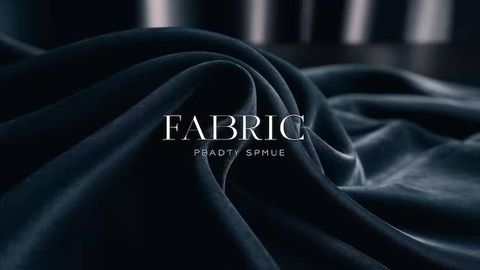
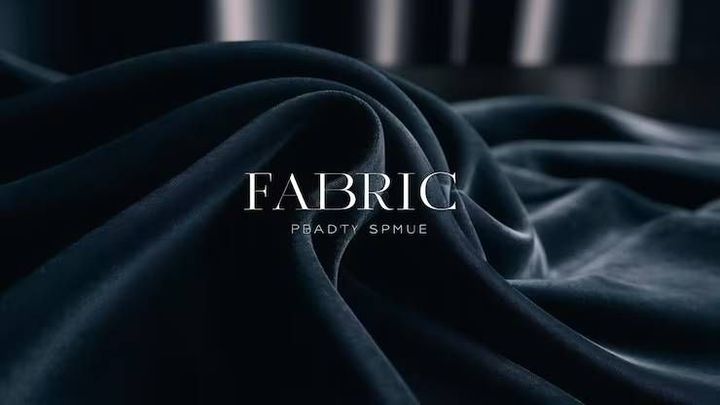
Luxury fabric refers to textiles selected for qualities such as softness, surface appearance, drape, durability, craftsmanship, or distinctive material character. Natural materials such as silk, cashmere, wool, linen, and cotton have long histories in clothing and interiors, while synthetic blends can introduce particular strength, stability, texture, or care characteristics. Understanding luxury fabric involves looking at fibers, construction methods, textures, patterns, applications, and the conditions in which a textile is used.
Context
Origins and Material Development
Textiles have been produced from plant, animal, and later manufactured fibers for thousands of years. Silk developed through established textile traditions in Asia, wool became important across many temperate regions, and linen was used in ancient societies because flax fibers could be spun into durable cloth. Cotton later became a major textile fiber across many parts of the world.
The idea of luxury fabric has changed over time. Earlier textile value could be connected with rarity, labor-intensive production, intricate weaving, or difficult dyeing methods. Modern textile selection also considers fiber properties, manufacturing consistency, environmental factors, maintenance needs, and the intended application.
Natural and Synthetic Materials
Natural fibers come from plants or animals. Silk is known for its smooth surface and light-reflecting appearance, wool can provide warmth and resilience, linen has a crisp hand and airflow characteristics, and cotton is widely used because of its familiar feel and versatility.
Synthetic fibers are manufactured from chemical polymers. Polyester, nylon, acrylic, and elastane are examples. They can be used alone or combined with natural fibers. A synthetic blend may be developed to change stretch, wrinkle behavior, drying time, strength, or dimensional stability.
Importance
Why Fabric Selection Matters
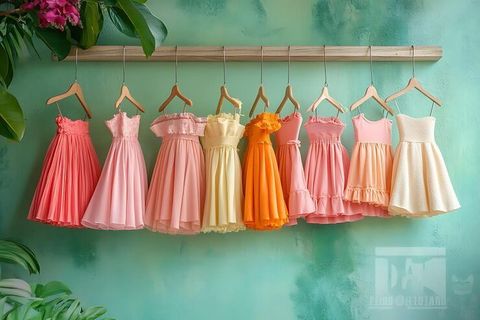
Fabric affects how clothing, upholstery, curtains, bedding, accessories, and other textile products look and perform. The same pattern can appear very different depending on whether it is woven into silk, wool, cotton, polyester, or a blended construction.
For everyday readers, understanding textile characteristics can make labels and product descriptions easier to interpret. It can also help explain why two fabrics with similar appearances may have different care instructions, textures, durability, and behavior in different environments.
Common Factors to Consider
Important characteristics include:
- Fiber content: identifies the materials used in the textile.
- Weave or knit: describes how yarns or loops are arranged.
- Texture: refers to the surface feel and visual character.
- Weight: affects drape, warmth, structure, and handling.
- Pattern: includes printed, woven, embroidered, jacquard, or other designs.
- Care requirements: may include washing, drying, pressing, or professional cleaning instructions.
- Application: indicates whether the textile is intended for apparel, interiors, accessories, or another use.
A fabric’s suitability depends on the relationship between these characteristics and the environment where it will be used. A delicate textile may have a different practical role from a dense fabric designed for frequent handling.
Recent Updates
Current Textile Trends
From 2024 through 2026, textile development has continued to focus on material transparency, recycled fibers, lower-impact manufacturing, durability, and traceability. These themes appear alongside continuing interest in natural fibers, refined textures, blended constructions, and fabrics designed for longer periods of use.
Digital textile printing and computer-assisted design have expanded the range of patterns that can be developed with detailed imagery and controlled color placement. Advances in fiber processing and finishing are also being used to create different surface effects without relying only on traditional weaving techniques.
Blends, Recycled Fibers, and Traceability
Blended fabrics remain relevant because combining fibers can balance several characteristics. For example, a natural fiber may be paired with a synthetic fiber to influence wrinkle resistance, strength, stretch, or drying behavior. The result depends on the fiber proportions and the fabric construction.
Recycled polyester and regenerated fibers are increasingly discussed in textile sustainability. Digital product information and traceability systems are also becoming more important as manufacturers, regulators, and consumers seek clearer information about fiber composition and production stages. Environmental performance varies by material, manufacturing process, use pattern, and end-of-life handling, so a single fabric category does not automatically describe the full environmental impact.
Laws or Policies
Textile Labeling in India
In India, textile products are shaped by consumer information, labeling, measurement, and product-quality requirements. The Bureau of Indian Standards develops standards for many textile-related products and materials, while the Legal Metrology framework includes requirements relevant to packaged commodities and declarations.
Textile labeling can include information such as fiber composition, manufacturer or importer details, size or dimensions where applicable, and other declarations required for the product category. Specific requirements vary according to the type of textile, packaging method, and applicable Indian rules.
Environmental and Chemical Considerations
Textile production can also be affected by environmental and chemical regulations covering wastewater, emissions, dyes, chemicals, packaging, and waste handling. Requirements may apply at different stages, including fiber production, dyeing, finishing, manufacturing, and disposal.
For readers comparing textiles in India, official information from government bodies and standards organizations is more reliable than informal claims about compliance. Rules can change, so the applicable regulation should be checked according to the product category and current government guidance.
Tools and Resources
Helpful Textile References
Several resources can help readers understand luxury fabric, natural materials, synthetic blends, textures, patterns, and applications. Fiber-content labels are a practical starting point because they identify the materials present in a textile.
Useful resources include:
- Bureau of Indian Standards: standards and technical information related to textile products.
- Department of Consumer Affairs: consumer information and applicable labeling or measurement rules.
- Textile Exchange: research and educational material covering fibers, materials, and textile sustainability.
- International Organization for Standardization: international standards and terminology relevant to textiles.
- Fabric construction guides: references explaining weave structures such as plain, twill, satin, jacquard, and knitted constructions.
- Care-label references: guides explaining common washing, drying, ironing, and cleaning symbols.
A simple fabric comparison table can also help organize information before selecting a textile for a particular application.
| Fabric or blend | Typical characteristics | Common applications | Care considerations |
|---|---|---|---|
| Silk | Smooth, lightweight, lustrous | Apparel, scarves, interiors | Often needs gentle handling |
| Wool | Warm, resilient, textured | Apparel, blankets, upholstery | Care varies by construction |
| Linen | Crisp, breathable, natural texture | Apparel, curtains, home textiles | Can wrinkle readily |
| Cotton | Soft, versatile, familiar hand | Apparel, bedding, interiors | Care varies by finish |
| Polyester blends | Stable, adaptable, varied textures | Apparel, upholstery, interiors | Often easy to maintain, depending on blend |
FAQs
What is luxury fabric?
Luxury fabric is a broad term for textiles associated with refined material qualities, distinctive construction, specialized craftsmanship, or particular visual and tactile characteristics. The term does not describe one specific fiber or manufacturing method.
What natural materials are used in luxury fabric?
Common natural materials include silk, wool, cashmere, linen, and cotton. Their properties differ in softness, warmth, drape, moisture behavior, texture, strength, and care requirements.
How do synthetic blends affect fabric texture and performance?
Synthetic blends can change characteristics such as stretch, strength, wrinkle resistance, drying behavior, and dimensional stability. The result depends on the fibers, their proportions, yarn structure, and fabric construction.
Which textures and patterns are common in luxury fabric?
Common textures include smooth, brushed, napped, ribbed, raised, and crisp surfaces. Patterns can be printed, woven, jacquard, embroidered, geometric, floral, striped, checked, or abstract.
Where are luxury fabrics commonly used?
Luxury fabrics can appear in clothing, accessories, upholstery, curtains, bedding, decorative textiles, and specialized interior applications. The appropriate textile depends on factors such as wear, moisture, temperature, handling, appearance, and care requirements.
Conclusion
Luxury fabric includes a wide range of natural fibers, synthetic materials, blends, textures, patterns, and construction methods. Understanding fiber content and fabric structure helps explain differences in appearance, feel, durability, maintenance, and application. Current textile discussions increasingly include traceability, recycled materials, manufacturing impacts, and clearer product information. Textile rules and labeling requirements vary by product and jurisdiction, making accurate reference information important.