Oil Filling Machines Tips: Filling System Selection, Machine Features and Maintenance Needs
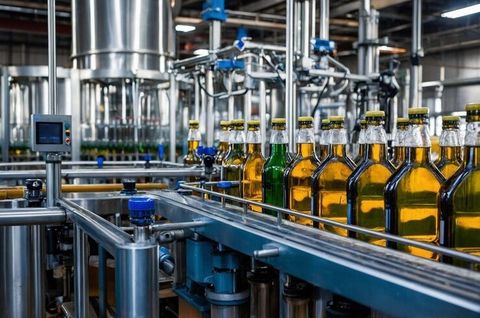
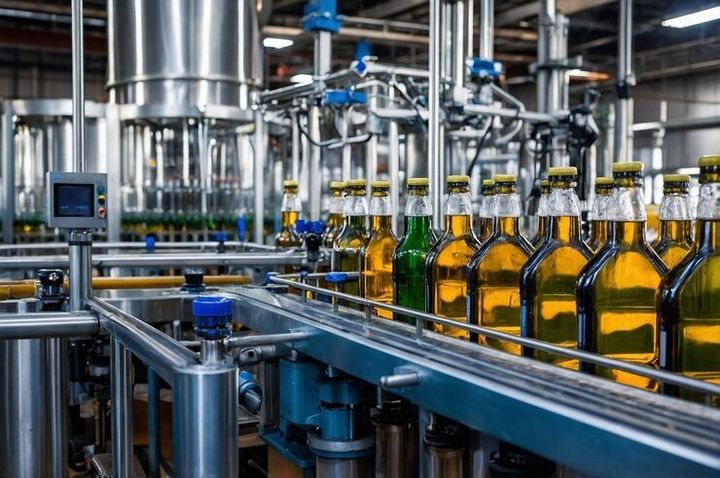
Oil filling machines are equipment used to measure and place liquid products into containers such as bottles, jars, cans, and other packages. They are used for edible oils, cosmetic oils, lubricants, cooking oils, and several other liquid products. Depending on the product and container, a filling system may use volumetric measurement, piston mechanisms, pumps, gravity, or electronic flow measurement.
The basic purpose of an oil filling machine is to place a controlled quantity of liquid into each container while maintaining a consistent production process. Manual filling can require repeated measuring and handling, while automated equipment can coordinate container positioning, filling, and related packaging steps.
Oil characteristics influence machine selection. Viscosity, temperature, foaming behavior, container size, and the required filling range can all affect how a liquid moves through pipes, valves, and nozzles. For this reason, a machine designed for one type of oil may not perform in the same way with another liquid.
Importance
Oil filling equipment matters because filling accuracy affects the amount of product placed in every container. Differences between containers can occur when liquid properties, machine settings, nozzle movement, or measurement methods are not properly controlled.
The topic is relevant to food processors, cosmetic manufacturers, lubricant producers, packaging facilities, and other organizations that handle liquid products. It also matters to workers responsible for production quality, equipment operation, sanitation, and routine maintenance.
Several practical factors need attention:
- Container size can determine the appropriate filling range and nozzle arrangement.
- Oil viscosity affects flow speed and the time needed to complete a fill.
- Foaming can interfere with clean filling and may require suitable nozzle positioning.
- Dripping can create contamination around the filling area.
- Temperature changes can affect the flow characteristics of some oils.
- Different container shapes may require changes to guides, supports, or filling positions.
A suitable filling system therefore depends on the product, container, production requirements, and operating environment rather than on one machine characteristic alone.
Comparing Common Filling Systems
Different mechanisms are used to measure and transfer liquid. The following table provides a general comparison.
| Filling system | General principle | Common consideration |
|---|---|---|
| Volumetric piston | Measures a defined volume with piston movement | Useful for controlled-volume filling |
| Gear or pump filling | Moves liquid through a pump mechanism | Pump compatibility with oil is important |
| Gravity filling | Uses liquid head pressure to move product | More suitable for liquids with predictable flow |
| Flow-meter filling | Measures liquid passing through a flow meter | Electronic control and calibration are important |
| Servo-driven filling | Uses controlled motor movement for filling | Provides programmable movement and settings |
The actual suitability of each system depends on the oil, container, required filling range, and equipment configuration.
Recent Updates
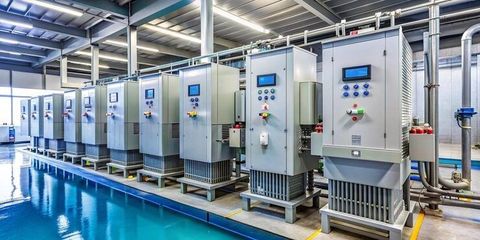
From 2024 through 2026, liquid packaging has continued moving toward greater automation, electronic controls, and data-based monitoring. Modern filling equipment may incorporate programmable logic controllers, touchscreen interfaces, servo-driven mechanisms, electronic sensors, and recipe-based settings.
Another development is greater attention to hygienic equipment design. Where food products are involved, surfaces that contact the product need to be compatible with the intended application and cleaning procedures. Equipment design may also emphasize easier access to product-contact areas and reduced locations where residue can accumulate.
Electronic monitoring is also becoming more common. Sensors can detect container position, liquid levels, nozzle movement, and other operating conditions. These systems can help operators identify irregular filling conditions without relying entirely on manual observation.
Packaging regulations have also continued to develop. In India, FSSAI maintains an active regulatory framework for food packaging, labelling, food standards, and licensing, with additional amendments and notifications appearing during 2025 and 2026.
Plastic packaging requirements have also evolved. The Central Pollution Control Board currently lists amendments to the Plastic Waste Management Rules through 2026, while the plastic packaging EPR system has moved to a newer Common EPR Portal.
These developments mean that equipment selection is increasingly considered alongside packaging materials, labelling requirements, hygiene procedures, and environmental obligations.
Laws or Policies
In India, requirements related to oil filling depend on the type of oil and the intended use of the packaged product. Edible oils are subject to food safety requirements, while industrial oils can fall under different regulatory and product-specific frameworks.
Food Safety Requirements
For edible oil packaging, the Food Safety and Standards Authority of India regulates food safety, packaging, labelling, and related requirements. FSSAI rules include requirements concerning the identity and labelling of edible oils and restrictions on certain misleading quality expressions.
Food businesses also need to consider applicable licensing and registration requirements under the food safety framework. FSSAI's regulatory notifications show continuing amendments to licensing, labelling, packaging, and food-product rules during 2025 and 2026.
Packaged Quantity and Labelling
When oil is placed into consumer packages, the container and label may need to comply with applicable Legal Metrology requirements concerning declarations such as quantity and other packaged-commodity information. The filling machine itself does not determine legal compliance; the complete packaging and measurement process needs to be considered.
Plastic Packaging
Where plastic containers or other plastic packaging are used, Plastic Waste Management Rules and Extended Producer Responsibility requirements may also become relevant. CPCB identifies the EPR framework as applying to producers, importers, and brand owners of specified plastic packaging.
Machinery Standards
Bureau of Indian Standards resources allow users to search Indian Standards by product or keyword. BIS also identifies machinery for filling, closing, sealing, labelling, packing, or wrapping within its machinery certification framework, subject to the applicable scope and requirements.
Regulatory requirements can change, so organizations should consult the applicable government authority and current regulations for their specific product and packaging arrangement.
Tools and Resources
Several resources can help when evaluating oil filling machines and planning a filling process.
Product and Filling Information
A product specification sheet can record viscosity, density, filling temperature, container dimensions, target volume, and other characteristics. Keeping these details together helps when comparing different filling-system configurations.
A simple filling test can also be useful. Containers can be weighed before and after filling, and repeated measurements can be recorded to identify variation. For regulated products, the measurement method should correspond with applicable legal and quality requirements.
Maintenance Records
A maintenance log can track activities such as:
- Nozzle inspection
- Valve inspection
- Pump inspection
- Seal and gasket checks
- Sensor checks
- Lubrication where applicable
- Cleaning activities
- Calibration checks
- Replacement of worn components
- Unusual noise, vibration, or leakage
A spreadsheet can be used to record inspection dates, equipment identification, observations, measurements, and corrective actions.
Official Regulatory Resources
For Indian operations, useful reference points include FSSAI for food safety requirements, BIS for Indian Standards, CPCB for plastic waste and EPR information, and the Department of Consumer Affairs for Legal Metrology matters. Current regulatory documents should be checked because requirements can be amended.
The BIS “Know Your Standard” resource provides access to standards, amendments, related notifications, testing information, and other standard-specific material.
Filling System Selection Checklist
Before selecting equipment, information such as the following can be documented:
- Type of oil
- Viscosity range
- Container material
- Container size
- Target fill quantity
- Number of filling heads
- Desired production rate
- Filling accuracy requirements
- Cleaning method
- Product-contact materials
- Available electrical and pneumatic connections
- Required control system
- Applicable regulatory requirements
This information provides a practical basis for discussing equipment configuration and testing requirements.
FAQs
What is an oil filling machine?
An oil filling machine is equipment designed to measure and transfer oil into containers. Depending on the application, it may use piston, pump, gravity, flow-meter, or electronically controlled filling technology.
How do I select an oil filling system?
Selection depends on oil viscosity, container size, filling quantity, foaming behavior, required production conditions, and the desired measurement method. Product-contact materials and cleaning requirements should also be considered.
What features are important in oil filling machines?
Important features can include adjustable filling quantities, suitable nozzles, container sensors, programmable controls, compatible product-contact materials, accessible cleaning areas, and mechanisms for reducing dripping or spillage.
How often should an oil filling machine be maintained?
Maintenance frequency depends on machine design, operating hours, oil characteristics, and manufacturer instructions. Routine inspections can identify worn seals, blocked nozzles, leaks, sensor problems, and changes in filling performance before they become larger equipment issues.
Are oil filling machines regulated in India?
The regulatory requirements depend on the oil, packaging, and intended use. Edible oils can be subject to FSSAI requirements, packaged products can involve Legal Metrology rules, plastic packaging can involve CPCB requirements, and applicable machinery standards may also need consideration.
Conclusion
Oil filling machines combine liquid measurement, container handling, and controlled filling into a coordinated packaging process. Choosing a filling system requires attention to oil properties, container specifications, filling quantities, equipment controls, hygiene, and maintenance requirements. In India, food safety, packaging, Legal Metrology, environmental, and applicable machinery requirements can all influence the overall process. Regular inspections, accurate records, and appropriate equipment settings are important parts of maintaining consistent filling operations.