Packing Machine Explained: Types, Components, Working Process, Applications and Benefits
A packing machine is equipment designed to place products into containers, pouches, cartons, bags, bottles, or other packaging formats. Packing machines are used across manufacturing, food processing, pharmaceuticals, cosmetics, chemicals, agriculture, and consumer goods because they can organize repetitive packaging activities and create a consistent process.
Packaging was traditionally performed mainly by hand, particularly in small production environments. As production volumes increased, manufacturers developed mechanical and automated equipment to perform tasks such as filling, sealing, labeling, wrapping, counting, and inspection. Modern packing systems can combine several of these activities within one production line.
The design of a packing machine depends on the material being packaged, its physical characteristics, the required package format, production volume, and the level of automation. Some machines are designed for powders or granules, while others handle liquids, solid products, cartons, bottles, or flexible films.
Common Packaging Formats
Packing machines can work with several types of packaging, including:
- Pouches and flexible bags
- Bottles and containers
- Cartons and boxes
- Trays and cups
- Wrapping films
- Sachets and small packets
- Jars and rigid containers
Each format requires different mechanisms for positioning, filling, sealing, folding, or closing the package.
Importance
Packing machines play an important role in modern manufacturing because packaging is often a repetitive part of the production process. Manual packaging can require significant time and coordination when large quantities of products need to be prepared.
Automated and semi-automated equipment can help manufacturers maintain a more consistent packaging sequence. Depending on the machine design, operations such as product measurement, container movement, filling, sealing, coding, and inspection can be coordinated through mechanical and electronic controls.
Problems Addressed by Packing Machines
Different machines address different production requirements. Common challenges include inconsistent filling quantities, irregular sealing, slow manual handling, packaging material waste, and difficulty maintaining a continuous production flow.
A packing machine may help address these challenges through controlled movements and programmed operating parameters. However, actual performance depends on the machine design, product characteristics, maintenance, operator practices, and production environment.
Factors Affecting Machine Selection
Several factors should be considered when evaluating a packing system:
- Product type and physical properties
- Package size and shape
- Required packaging material
- Production volume
- Filling or weighing accuracy requirements
- Available floor space
- Level of automation
- Cleaning and maintenance requirements
- Electrical and pneumatic requirements
- Applicable safety and regulatory requirements
A machine designed for liquid products, for example, may not be appropriate for powders or irregular solid items. Matching the equipment to the product and package format is therefore an important part of packaging planning.
Recent Updates
Greater Use of Automation
Between 2024 and 2026, packaging operations have continued moving toward greater automation. Manufacturers are increasingly combining programmable controls, sensors, electronic drives, and automated inspection systems to coordinate different stages of packaging.
Automation can allow machines to adjust operating sequences according to programmed parameters. Sensors can detect the presence or position of containers and packaging materials, helping the control system coordinate machine movements.
Digital Monitoring
Modern packing equipment may include digital control panels that display operating information such as machine status, production counts, alarms, and selected operating parameters. Some systems can also connect with factory monitoring platforms.
Digital records can help production teams identify interruptions and review machine performance. The availability of these features varies considerably between machine models and manufacturers.
Flexible Packaging Systems
Flexible packaging continues to be used for products ranging from food items to household goods. As package formats change, manufacturers have developed machines capable of handling different pouch dimensions, film materials, and sealing arrangements.
Some packaging systems are designed with adjustable components so that different package sizes can be processed. Changeover time and adjustment requirements remain important considerations when using equipment for multiple products.
Improved Inspection
Vision systems and sensors are increasingly used in packaging environments to identify issues such as missing products, incorrect positioning, damaged packages, or printing problems. These systems can work alongside filling and sealing equipment.
Inspection technology does not eliminate the need for quality procedures. Proper machine setup, calibration, cleaning, and human oversight remain important parts of packaging operations.
Types of Packing Machines
Form-Fill-Seal Machines
Form-fill-seal machines create packages from rolls of flexible packaging material. Depending on the design, the machine forms the packaging, introduces the product, and seals the completed package.
Vertical form-fill-seal systems are commonly associated with products such as powders, grains, snacks, and other free-flowing materials. Horizontal systems are often used for solid products and items that require a different packaging orientation.
Pouch Packing Machines
Pouch packing machines fill and seal pre-made or machine-formed pouches. They can be configured for different products, pouch sizes, and sealing arrangements.
These systems are used across food, household, personal care, and industrial applications.
Bottle Filling and Packing Machines
Bottle-based systems can combine bottle positioning, filling, capping, and related packaging operations. Filling mechanisms vary according to whether the product is liquid, viscous, granular, or particulate.
The filling method must be matched to the product's characteristics to maintain consistent operation.
Cartoning Machines
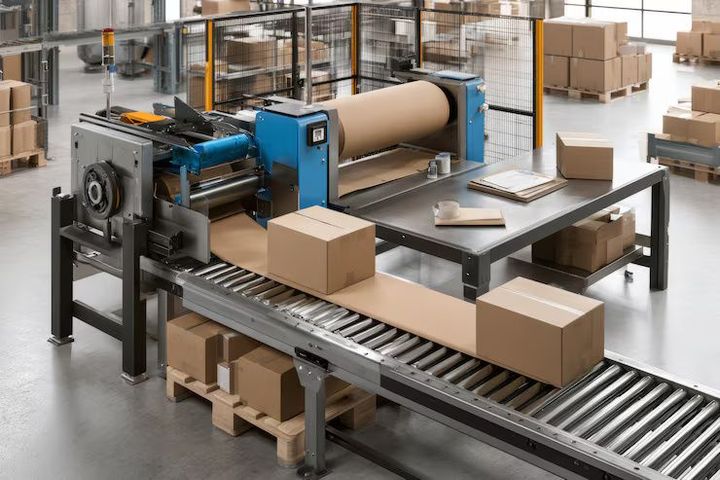
Cartoning machines place products into cartons and may perform carton opening, product insertion, closing, and sealing. They are commonly integrated into larger packaging lines.
Wrapping Machines
Wrapping machines use films or other flexible materials to surround products. Depending on the design, wrapping can protect products from dust, handling, and environmental exposure while also creating a defined package format.
Components of a Packing Machine
A packing machine normally contains several mechanical, electrical, and control components.
Feeding System
The feeding system moves products toward the packaging area. Conveyors, hoppers, vibratory feeders, pumps, or other mechanisms may be used depending on the product.
Filling or Dosing Unit
The filling unit determines how the product enters its package. Auger fillers may be used for certain powders, volumetric systems for some products, and pumps for liquids.
Sealing Unit
The sealing system closes the package. Heat sealing, pressure sealing, ultrasonic sealing, adhesive-based methods, or mechanical closures may be used depending on the packaging material.
Control System
A programmable controller coordinates machine movements and operating sequences. An operator interface can allow parameters to be selected and machine status to be monitored.
Sensors
Sensors detect conditions such as product presence, package position, film movement, temperature, or machine faults. Their signals help the control system coordinate different stages.
Conveyors and Drives
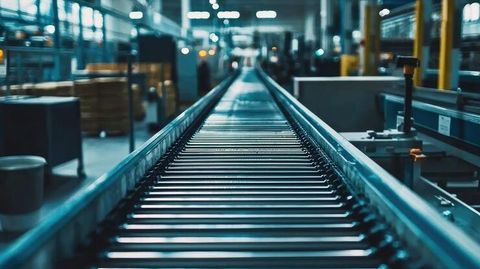
Conveyors transport containers or packages between stages. Motors and electronic drives control movement according to the machine's operating sequence.
Working Process
The exact process differs according to machine type, but a typical automated packaging sequence follows several stages.
First, products are supplied to a feeding or dosing system. The machine then measures, counts, or otherwise prepares the required quantity.
Next, the packaging material or container is positioned. The product enters the package through the filling mechanism while sensors and control systems monitor the sequence.
After filling, the package moves to a closing or sealing stage. The completed package may then pass through coding, labeling, inspection, or weighing equipment.
Finally, finished packages are transferred to another conveyor, collection area, carton, or palletizing system. In a larger production line, multiple machines can operate together as a continuous sequence.
Applications
Packing machines are used in many industries because packaging requirements vary across products.
Food and Beverage
Food packaging can include grains, snacks, powders, confectionery products, frozen items, sauces, and beverages. Equipment is selected according to product consistency, package type, hygiene requirements, and production conditions.
Pharmaceuticals
Pharmaceutical packaging involves strict handling and identification requirements. Packaging equipment can be used for tablets, capsules, liquids, and other regulated products, with equipment selection depending on the product and applicable regulations.
Cosmetics and Personal Care
Creams, lotions, powders, liquids, and other personal care products can require different filling and closing mechanisms. Packaging systems may be integrated with labeling and coding equipment.
Chemicals
Industrial and household chemicals may require specialized containers and controlled filling processes. Machine materials and sealing methods need to be compatible with the product.
Agriculture
Agricultural products such as seeds, grains, fertilizers, and other materials can be packaged using weighing, filling, and bagging systems designed for granular or powdered products.
Benefits
Packing machines can provide several operational advantages when appropriately matched to a production process.
They can create a repeatable sequence for filling and packaging, which may improve consistency between individual packages. Automated movement can also reduce the amount of repetitive manual handling required during production.
Additional advantages may include:
- More organized packaging workflows
- Consistent machine-controlled movements
- Integration with weighing and inspection systems
- Ability to handle defined production volumes
- Reduced repetitive handling in suitable applications
- Digital monitoring of selected operating parameters
- Compatibility with automated production lines
These advantages depend on machine configuration, product characteristics, operating conditions, maintenance, and the skill of the operating team.
Laws or Policies
Packing operations are affected by different regulations depending on the country, industry, and product category. Food, pharmaceutical, chemical, and other regulated products may have specific requirements concerning packaging, labeling, hygiene, traceability, and workplace safety.
In India, manufacturers may need to consider requirements from authorities and frameworks relevant to their industry. Food packaging operations can involve rules administered by the Food Safety and Standards Authority of India, while packaged commodities can be affected by requirements under India's legal metrology framework.
Workplace equipment should also be operated according to applicable occupational safety requirements. Electrical systems, machine guarding, emergency controls, and operator protection are important considerations for industrial equipment.
Packaging materials may also be subject to environmental requirements, particularly where plastic use, waste management, recycling, or extended producer responsibilities apply. The applicable rules depend on the product, packaging material, and business activity.
Tools and Resources
Several resources can help people understand packing machines and packaging operations.
Machine Manuals
Manufacturer manuals provide information about operating procedures, machine specifications, adjustment points, maintenance schedules, and safety precautions. The manual for the specific machine should take priority over general operating information.
Packaging Calculators
Production calculators can estimate package throughput using factors such as cycle time, package quantity, operating hours, and planned production periods. A basic theoretical calculation can be represented as:
Production rate = packages per cycle × cycles per minute
Actual production may be lower because of changeovers, cleaning, material replacement, machine interruptions, and inspection procedures.
Maintenance Checklists
Maintenance checklists can help organize routine inspections. Typical areas include sealing components, belts, sensors, moving parts, electrical connections, lubrication points, and safety devices.
Packaging Standards and Regulatory Resources
Government websites, industry standards organizations, and packaging associations can provide information about labeling, material requirements, measurement, product safety, and environmental obligations. Requirements should always be checked against the relevant jurisdiction and product category.
FAQs
What is a packing machine?
A packing machine is equipment used to place products into packages and perform related activities such as filling, sealing, wrapping, closing, labeling, or inspection. Its configuration depends on the product and packaging format.
What are the main types of packing machines?
Common types include form-fill-seal machines, pouch packing machines, bottle filling systems, cartoning machines, and wrapping machines. Each type is designed around particular products and packaging formats.
How does a packing machine work?
A typical packing machine feeds the product, positions packaging material or containers, measures or fills the product, closes or seals the package, and transfers the finished package to the next stage. Sensors and controllers coordinate these steps.
What components are used in packing machines?
Common components include feeding systems, filling or dosing units, sealing mechanisms, sensors, conveyors, motors, control systems, and operator interfaces. The exact configuration varies by machine type.
Where are packing machines used?
Packing machines are used in food and beverage production, pharmaceuticals, cosmetics, chemicals, agriculture, household products, and many other manufacturing environments. The machine design depends on the product and package requirements.
Conclusion
Packing machines combine mechanical equipment, sensors, drives, and control systems to organize packaging operations. Different machine types are designed for products such as liquids, powders, grains, solid items, bottles, pouches, and cartons. Automation, digital monitoring, flexible packaging, and inspection technologies continue to influence packaging equipment through 2024–2026. Applicable safety, labeling, environmental, and industry-specific requirements also remain important when operating packaging systems.