Water Treatment Plants Explained: Types, Processes, Components, Applications and Key Benefits
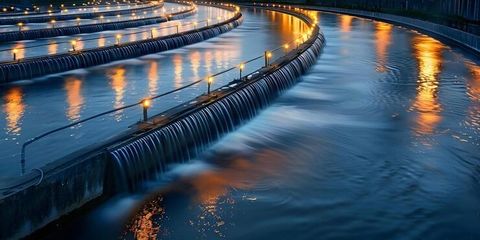
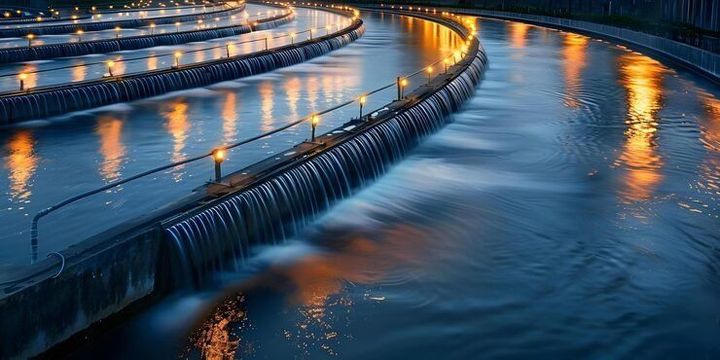
Water treatment plants are facilities designed to improve the quality of water so it can be used for drinking, industry, agriculture, sanitation, or environmental purposes. A water treatment plant may work with river water, groundwater, reservoirs, rainwater, or wastewater, depending on its purpose. The treatment process removes or reduces unwanted physical, chemical, and biological substances through a series of controlled steps.
What a Water Treatment Plant Does
Water treatment plants exist because natural and used water can contain materials that make it unsuitable for a particular purpose. These may include suspended particles, microorganisms, dissolved minerals, organic matter, nutrients, or other contaminants. Treatment changes the water's characteristics so that it meets the quality requirements for its intended use.
The design of a plant depends on the source and final application. A municipal drinking-water plant may focus on removing particles and microorganisms, while an industrial water treatment system may address hardness, dissolved salts, process chemicals, or specific substances associated with manufacturing.
How Water Treatment Developed
Traditional communities used physical methods such as settling, screening, and sand filtration to improve water quality. Modern water treatment combines these basic ideas with chemical treatment, biological processes, membranes, sensors, laboratory testing, and automated controls.
A typical water treatment process can be viewed as a sequence: source water enters the facility, larger materials are removed, suspended particles are separated, dissolved or biological contaminants are treated as needed, and the treated water is tested before its intended use.
Importance
Why Water Treatment Matters
Reliable water quality affects households, public institutions, farms, businesses, and industrial facilities. Treatment helps reduce exposure to contaminants and supports consistent water quality for uses where untreated water may not be suitable.
Water treatment is also connected with wastewater management. Sewage and industrial wastewater can contain organic matter, nutrients, solids, and other substances that can affect rivers, lakes, groundwater, and coastal environments if they are discharged without appropriate treatment.
Common Problems Addressed
Water treatment plants can address different challenges depending on the source:
- Turbidity from suspended soil and other particles
- Microorganisms that can affect water quality
- Excess hardness or dissolved minerals
- Unwanted colour, taste, or odour
- Organic matter and nutrients in wastewater
- Salts and dissolved substances in applications requiring purified water
- Sludge and solid residues generated during treatment
Treatment does not mean that every plant removes every possible contaminant. The process is selected according to water testing, local conditions, regulations, and the intended application.
Main Types of Water Treatment Plants
| Plant type | Main purpose | Common processes |
|---|---|---|
| Drinking water plant | Prepare source water for potable use | Screening, coagulation, filtration, disinfection |
| Sewage treatment plant | Treat domestic wastewater | Biological treatment, clarification, filtration, disinfection |
| Industrial wastewater plant | Treat manufacturing wastewater | Neutralization, biological treatment, filtration, specialized treatment |
| Desalination plant | Reduce dissolved salts | Reverse osmosis or thermal processes |
| Demineralization plant | Reduce selected dissolved ions | Ion exchange or membrane processes |
| Water recycling plant | Prepare treated water for reuse | Filtration, membranes, disinfection, advanced treatment |
Recent Updates
Greater Focus on Rural Drinking Water
India's water treatment landscape continues to develop alongside the Jal Jeevan Mission. Government information reported in 2025 that more than 15.75 crore rural households had tap water supply as of December 2025, compared with 3.23 crore at the beginning of the mission. The programme uses drinking-water quality benchmarks and supports source sustainability, water conservation, and greywater management.
In March 2025, the Ministry of Jal Shakti reported 35,578 water treatment plants geo-tagged under the Jal Jeevan Mission across different categories of rural water-supply schemes. The same information states that BIS IS 10500 is used as a benchmark for drinking-water quality under the mission.
Shift Toward Reuse and Resource Recovery
Wastewater treatment is increasingly discussed alongside water reuse. Government programmes such as AMRUT 2.0 include sewage treatment and reuse-related infrastructure, while the Jal Hi AMRIT sub-scheme focuses on improving treated water quality and encouraging reuse of treated water. Government information reported 860 sewage treatment plants enrolled for assessment under that sub-scheme by late 2025.
Another continuing trend is greater attention to operation, maintenance, monitoring, and digital reporting. In 2026, Jal Jeevan Mission 2.0 was approved with a stronger emphasis on sustainable rural piped water supply and a delivery-focused approach rather than infrastructure expansion alone.
More Treatment for Reuse
Urban wastewater projects increasingly consider treated water as a resource for suitable non-drinking applications. Government reporting in 2025 described new and expanded sewage treatment capacity under AMRUT-related projects, including capacity associated with recycling and reuse.
Laws or Policies
Drinking Water Standards in India
In India, drinking water quality is associated with Bureau of Indian Standards specification IS 10500:2012. The standard describes requirements and testing methods for drinking water and includes physical, chemical, microbiological, and other parameters. BIS lists IS 10500:2012 as the drinking-water specification and notes that it was reviewed in 2023.
Under the Jal Jeevan Mission, drinking water is a State subject. State and Union Territory governments are responsible for planning, approval, implementation, operation, and maintenance of drinking-water supply schemes, while the Union Government provides technical and financial assistance.
Water Pollution Rules
The Water (Prevention and Control of Pollution) Act, 1974 provides the legal framework for preventing and controlling water pollution in India. It also establishes functions and powers for pollution control boards.
For sewage treatment plants, the Environment (Protection) Rules include discharge standards for parameters such as pH and biochemical oxygen demand. Requirements can vary according to the applicable rules, location, type of discharge, and regulatory permissions.
Industrial wastewater is also subject to environmental regulation. Government information states that industrial effluent discharge is monitored by the Central Pollution Control Board and relevant State Pollution Control Boards or Pollution Control Committees under applicable environmental laws.
Tools and Resources
Water Quality and Treatment References
Several public resources can help readers understand water treatment:
- Bureau of Indian Standards: Provides information on Indian Standards, including drinking-water specification IS 10500.
- Jal Jeevan Mission dashboard and publications: Provide information on rural drinking-water coverage, water quality, treatment infrastructure, and programme guidelines.
- Central Pollution Control Board: Provides environmental standards, technical documents, and information related to pollution control.
- State Pollution Control Boards: Provide state-specific regulatory information for wastewater and industrial discharge.
- Water testing laboratories: Laboratory testing can help identify physical, chemical, and microbiological characteristics of a water sample.
Useful Treatment Parameters
Readers may encounter several common terms when reviewing water quality reports. Turbidity describes the cloudiness caused by suspended particles. pH indicates how acidic or alkaline water is. Total dissolved solids describe the combined concentration of dissolved substances. BOD is commonly used to indicate the amount of oxygen associated with the biological breakdown of organic matter in wastewater.
These measurements help determine which water treatment processes may be appropriate. A treatment plant is normally designed from source-water information and the required quality of the treated water rather than from a single measurement.
FAQs
What is a water treatment plant?
A water treatment plant is a facility that processes water to reduce unwanted physical, chemical, or biological substances and make the water suitable for a defined use. The exact treatment stages depend on the water source and intended application.
What are the main water treatment processes?
Common water treatment processes include screening, coagulation, flocculation, sedimentation, filtration, disinfection, membrane treatment, ion exchange, and biological treatment. Not every water treatment plant uses all of these stages.
What is the difference between a water treatment plant and a sewage treatment plant?
A water treatment plant commonly treats source water for uses such as drinking or industrial processes. A sewage treatment plant treats wastewater generated by households and other activities, mainly to reduce solids, organic matter, nutrients, and other pollutants before suitable discharge or reuse.
How does a water treatment system remove contaminants?
A water treatment system uses physical, chemical, biological, or membrane-based processes. For example, filtration can remove many suspended particles, biological treatment can reduce biodegradable organic matter, and reverse osmosis can reduce many dissolved substances.
What standards apply to drinking water treatment in India?
IS 10500:2012 is the Bureau of Indian Standards specification for drinking water. Drinking-water programmes and facilities also operate within applicable central and state regulations, technical requirements, and local monitoring arrangements.
Conclusion
Water treatment plants use different combinations of physical, chemical, biological, and membrane processes to improve water quality for specific applications. Their design depends on the source water, contaminants of concern, intended use, and applicable standards. In India, drinking-water programmes and pollution-control rules continue to shape how water and wastewater treatment systems are planned and monitored. Recent developments also show increasing attention to rural water infrastructure, wastewater reuse, monitoring, and long-term operation.