Aluminum Shredders Guide: Designs, Shredding Methods, Applications and Key Features
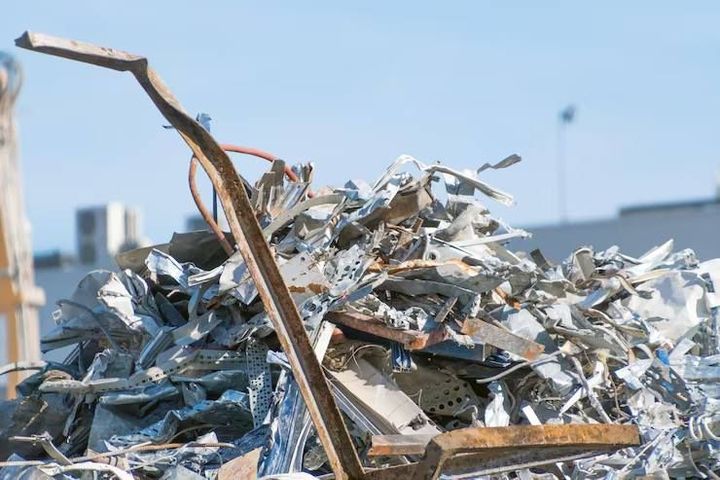
Aluminum shredders are machines designed to reduce aluminum scrap and discarded aluminum products into smaller pieces for easier handling, sorting, processing, and recycling. They are used with materials such as cans, profiles, sheets, cast parts, machining scrap, and mixed aluminum components. The basic idea is simple: controlled mechanical force breaks larger pieces into smaller fragments, after which screening and separation can prepare the material for later processing.
Context
What aluminum shredders do
An aluminum shredder normally uses a feed system, a cutting chamber, rotating shafts or a rotor, cutting tools, a drive system, and discharge equipment. Depending on the design, the machine may tear, shear, cut, or fracture material rather than simply crushing it.
Aluminum is relatively light compared with many other metals, but its form varies widely. A thin beverage can behaves differently from a thick extrusion or a compact casting. For this reason, aluminum shredders are designed in different sizes and configurations to handle different feed shapes, thicknesses, moisture levels, and contamination levels.
How aluminum shredding developed
Metal shredding grew alongside industrial recycling and the need to process discarded products in a controlled way. As collection systems expanded, recyclers needed methods for reducing bulky metal items and separating useful materials from mixed waste. Modern aluminum shredders are part of a broader material-processing chain that can include conveyors, magnets, eddy-current separators, screens, air separation, and baling equipment.
Importance
Why aluminum shredding matters
Aluminum appears in packaging, transportation, construction, electrical equipment, appliances, and manufacturing. When discarded aluminum is collected, it may arrive in large, irregular, or mixed forms. Shredding can make the material more uniform and easier to move through later processing stages.
The process also addresses a practical handling problem. Smaller, more consistent pieces can occupy equipment more predictably and can be easier to sort by size or material type. The exact result depends on the shredder design, feed material, screen arrangement, and operating conditions.
Who uses aluminum shredders
Industrial recyclers, scrap processors, foundries, manufacturing plants, dismantling facilities, and material recovery operations may use aluminum shredding equipment. Some systems are designed for relatively clean aluminum, while others are configured for mixed metal streams.
Common input materials include:
- Aluminum cans and containers
- Aluminum sheets and offcuts
- Extrusions and profiles
- Cast aluminum parts
- Automotive aluminum components
- Manufacturing and machining scrap
- Mixed light-gauge aluminum pieces
Recent Updates
Equipment trends from 2024–2026
Recent developments have generally focused on better process control, improved separation, energy management, dust control, and automation. Shredding lines increasingly combine several stages so that size reduction and material separation can be monitored as one process.
Sensors and digital monitoring can help operators track factors such as motor load, throughput, temperature, vibration, and equipment status. Automated controls can also adjust feeding or protect equipment when unusual loads are detected. These features do not remove the need for trained operation and appropriate safety procedures.
Another continuing trend is greater attention to material purity. Aluminum streams can contain steel, copper, plastics, rubber, coatings, or other attachments. Shredding alone does not create a pure aluminum stream; downstream separation is often needed to distinguish materials with different physical properties.
Design changes
Single-shaft, double-shaft, and rotary shear configurations remain common approaches, with each arrangement producing different cutting behavior. Screen openings, cutter geometry, shaft speed, torque, and feed control influence the resulting particle size and throughput.
A simplified comparison is useful:
| Design or feature | Typical role | Main effect |
|---|---|---|
| Single-shaft shredder | Controlled size reduction | Often supports adjustable output |
| Double-shaft shredder | Tearing and shearing | Handles varied shapes and bulky feed |
| Rotary shear | Low-speed cutting | Produces strong shearing action |
| Screen | Size control | Limits discharged particle size |
| Conveyor | Material movement | Connects processing stages |
| Eddy-current separator | Non-ferrous separation | Helps separate aluminum from ferrous material and other streams |
Laws or Policies
Indian regulatory context
In India, aluminum scrap management is influenced by environmental and waste-management rules, pollution-control requirements, and sector-specific frameworks. The regulatory route depends on the material source, whether hazardous substances are present, and the type of facility handling the material.
A significant recent development is the Hazardous and Other Wastes (Management and Transboundary Movement) Amendment Rules, 2025. The notified framework creates an Extended Producer Responsibility structure for scrap of non-ferrous metals, including aluminum, and is scheduled to take effect from April 2026. It provides for registration of relevant manufacturers, producers, collection agents, refurbishers, and recyclers through a Central Pollution Control Board online system.
The framework also describes environmentally appropriate management of non-ferrous metal scrap and assigns recycling-related responsibilities to producers for covered products. The exact obligations depend on the product categories and thresholds specified in the rules and schedules.
Facilities may also need to consider state pollution-control requirements, waste-storage practices, worker safety measures, fire precautions, and rules covering hazardous materials when those materials are present. The Steel Scrap Recycling Policy provides a framework for organized processing of ferrous scrap, but aluminum is a non-ferrous metal, so its treatment should be considered under the applicable non-ferrous and environmental rules rather than assuming that a steel-specific provision applies directly.
Tools and Resources
Equipment selection and process tools
Several basic tools can help explain or evaluate an aluminum shredding line. A feed-material checklist can record alloy type, piece dimensions, contamination, moisture, and expected feed rate. A screen-size reference can help relate openings to the intended output size, although actual particle size also depends on cutter geometry and operating conditions.
Useful monitoring tools include:
- Motor-load and energy monitoring systems
- Vibration and temperature sensors
- Conveyor speed controls
- Screen inspection checklists
- Magnetic and eddy-current separation checks
- Material sampling sheets
- Maintenance and inspection logs
- Dust-control inspection records
Online resources
For Indian regulatory information, the Central Pollution Control Board and Ministry of Environment, Forest and Climate Change publish rules, notifications, guidance, and compliance information. State Pollution Control Boards can provide state-level requirements relevant to industrial facilities.
Manufacturers' technical manuals, equipment drawings, operating instructions, and safety documents can also help readers understand machine layouts. Technical specifications should be interpreted in the context of the actual aluminum feed material rather than treated as universal performance figures.
FAQs
What is an aluminum shredder?
An aluminum shredder is mechanical equipment that reduces aluminum scrap or discarded aluminum products into smaller pieces. Different designs use shafts, rotors, cutters, or shearing elements to achieve the required size and material flow.
How does an aluminum shredder work?
Material enters a controlled feed system and moves into a cutting or shearing chamber. Rotating cutters apply mechanical force, and a screen or discharge arrangement controls the material leaving the machine. Additional separation equipment may then remove steel, plastics, or other materials.
What types of aluminum can aluminum shredders process?
Depending on the machine design, aluminum shredders can process cans, sheets, profiles, cast parts, machining scrap, and other aluminum pieces. Feed limits vary by machine, so thickness, dimensions, contamination, and material form are important factors.
What are common aluminum shredding methods?
Common methods include rotary shearing, single-shaft shredding, double-shaft shredding, and rotor-based size reduction. The selected method depends on the feed material, desired output size, required throughput, and downstream separation process.
Why is sorting important after aluminum shredding?
Shredded aluminum may remain mixed with steel, copper, plastics, rubber, coatings, or other materials. Magnetic, eddy-current, screening, and air-separation systems can be used in different combinations to improve material separation before further processing.
Conclusion
Aluminum shredders reduce varied aluminum scrap into smaller pieces that can move more easily through sorting and recycling processes. Their designs differ in shaft arrangement, cutter geometry, speed, torque, and screen configuration, so the resulting material depends on both machine design and feed characteristics. From 2024–2026, the broader direction has included greater automation, monitoring, separation control, and regulatory attention to non-ferrous scrap management. In India, recent rules have added an extended producer responsibility framework for covered non-ferrous metal scrap, including aluminum.