Automated Foundry Molding Lines Guide: Designs, Working Principles, Features and Benefits
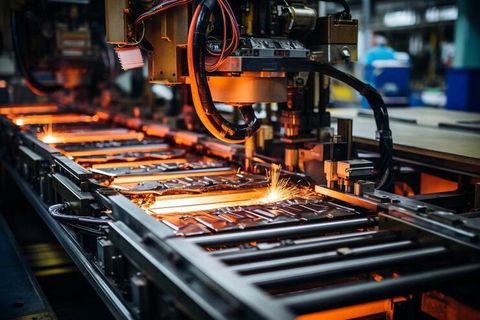
Automated foundry molding lines are industrial production systems that form molds used to manufacture metal castings. These systems combine molding machines, sand preparation equipment, conveyors, control systems, and related machinery to create molds with consistent shapes and dimensions. They are used in foundries that produce metal components for automotive manufacturing, agricultural machinery, construction equipment, pumps, valves, and other industrial applications.
Context
Automated foundry molding lines are industrial production systems that form molds used to manufacture metal castings. These systems combine molding machines, sand preparation equipment, conveyors, control systems, and related machinery to create molds with consistent shapes and dimensions. They are used in foundries that produce metal components for automotive manufacturing, agricultural machinery, construction equipment, pumps, valves, and other industrial applications.
Traditional foundry molding often relied on manual labor to prepare sand molds, position patterns, and move mold components between production stages. As manufacturing requirements expanded, foundries adopted mechanized equipment to handle repetitive operations and improve process consistency. Automated foundry molding lines developed from these mechanized systems by connecting multiple operations and coordinating them through electrical controls, sensors, and programmable logic controllers.
Understanding Automated Foundry Molding Lines
A foundry mold provides a cavity into which molten metal is poured. The cavity determines the external shape of the casting, while cores may create internal passages or hollow sections. After the metal solidifies, the mold is broken or removed to release the casting, depending on the molding process.
An automated molding line coordinates several steps, including sand preparation, mold formation, mold transfer, pouring integration, and mold handling. The level of automation differs between facilities. Some lines automate only mold production, while others connect molding equipment with pouring systems, cooling conveyors, casting separation, and material recovery.
Importance
Automated foundry molding lines play an important role in manufacturing because metal castings are used in many products and industrial systems. Engine housings, machine frames, pipe fittings, pump bodies, and structural components may all be produced through casting. Consistent mold preparation helps manufacturers control casting dimensions and reduce certain types of production variation.
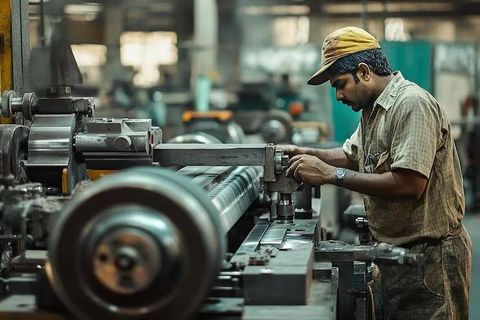
Automation also addresses practical challenges associated with repetitive work, production scheduling, and material movement. Manual mold preparation can require considerable physical effort, particularly when workers handle heavy mold components or operate near hot materials. Mechanized handling can reduce some of these demands, although safe operation still requires training, maintenance, and suitable protective measures.
Main Components of an Automated Molding Line
An automated foundry molding line typically includes several connected systems:
Sand preparation equipment: Mixes molding sand with the required binders, additives, or moisture to achieve suitable molding properties.
Pattern equipment: Provides the shape around which the mold cavity is formed.
Molding machine: Compacts sand around the pattern to create the mold section.
Mold transfer system: Uses conveyors, rollers, or handling mechanisms to move mold sections through production stages.
Core placement equipment: Positions cores when castings require internal passages or complex shapes.
Control system: Coordinates machine movements, monitors operating conditions, and manages production sequences.
Inspection equipment: Checks selected process conditions or mold characteristics before subsequent operations.
The configuration depends on the metal being cast, the dimensions of the components, the required production volume, and the molding method.
Common Designs of Automated Foundry Molding Lines
Different molding line designs suit different manufacturing requirements. The following table summarizes common arrangements.
| Molding line design | Main characteristics | Typical applications |
|---|---|---|
| Flask molding line | Uses rigid frames to contain and support sand molds | Components requiring controlled mold handling |
| Flaskless molding line | Forms molds without permanent flasks for each mold | Repetitive production of suitable casting shapes |
| Vertical molding line | Forms mold halves in a vertical arrangement | High-volume production of compatible castings |
| Horizontal molding line | Produces mold sections in a horizontal arrangement | A broad range of industrial castings |
| Automated green sand line | Uses prepared moist sand mixtures | Many iron and non-ferrous metal castings |
| Resin-bonded sand line | Uses chemical binders to harden prepared sand | Applications requiring particular mold or core properties |
These categories can overlap. For example, a horizontal line may use green sand and automated mold transfer, while another installation may combine flaskless molding with integrated inspection systems.
Recent Updates
Developments in automated foundry molding lines from 2024 through 2026 reflect broader manufacturing trends toward connected machinery, process monitoring, energy management, and improved production traceability. The specific equipment available and the pace of adoption vary by manufacturer, foundry size, casting material, and production requirements. These developments generally build on established molding technologies rather than replacing every traditional process.
Smart Controls and Process Monitoring
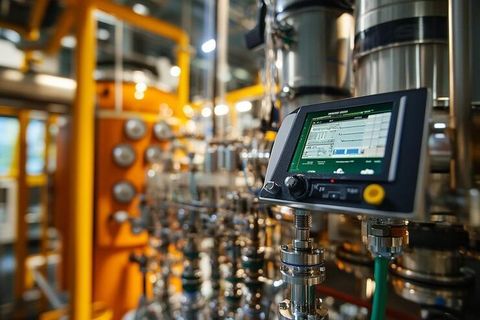
Modern molding equipment may use programmable logic controllers, human-machine interfaces, sensors, and industrial networks to coordinate machine movements. Operators can monitor settings such as molding pressure, cycle status, sand characteristics, conveyor movement, and selected equipment conditions.
Some foundries also use manufacturing execution systems to connect production data with scheduling, quality records, and maintenance planning. These systems can help identify recurring process variations and provide a clearer view of production performance. Their effectiveness depends on sensor quality, correct configuration, and how consistently the collected information is used.
Robotics and Predictive Maintenance
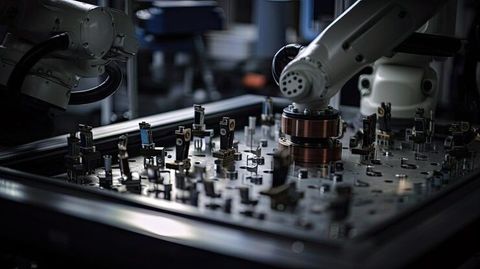
Robotic systems can support tasks such as core handling, component transfer, material movement, and selected inspection activities. Their use depends on the shape and weight of the components, the working environment, and the need for precise positioning. Robots may be integrated with existing equipment or installed as part of a new production line.
Predictive maintenance uses equipment data to identify patterns that may indicate developing mechanical or electrical problems. Vibration monitoring, temperature sensors, motor-current measurements, and maintenance records can support this approach. However, monitoring systems do not eliminate breakdowns, and regular inspections remain necessary.
Energy Efficiency and Material Recovery
Foundries continue to examine energy consumption, sand reuse, dust collection, and the handling of process waste. Sand reclamation systems can recover suitable molding material for reuse after appropriate treatment and testing. The extent of reuse depends on the sand system, binder type, contamination, and required material properties.
Dust extraction and ventilation are also important parts of modern foundry design. Improved monitoring and equipment controls may help facilities manage certain operating conditions, but actual environmental performance depends on system design, maintenance, production practices, and local requirements.
Laws or Policies
Automated foundry molding lines are affected by workplace safety regulations, environmental requirements, electrical and machinery safety standards, and rules governing industrial emissions and waste. Requirements differ by country and may also vary according to the foundry's location, production processes, and installed equipment.
Industrial Safety Requirements in India
In India, foundry operations must consider applicable occupational safety, health, factory, and environmental requirements. The Factories Act, 1948, has historically provided a framework for workplace safety and health, while India's newer occupational safety legislation and applicable commencement notifications, rules, and state provisions are relevant to determining the requirements in force.
Important safety considerations include guarding moving machinery, controlling access to hazardous areas, providing suitable emergency stops, managing hot metal operations, and maintaining safe procedures for cleaning and repairs. Lockout and isolation procedures are particularly important when workers maintain equipment that could start unexpectedly or release stored energy.
Employers must assess the legal requirements applicable to their facility and equipment. The exact obligations depend on the relevant legislation, implementation status, state rules, and operating conditions.
Environmental and Emissions Controls
Foundries may be subject to requirements administered by the Central Pollution Control Board and the relevant State Pollution Control Board. Depending on the process and location, these can cover air emissions, particulate matter, industrial waste, wastewater, and permissions for establishing or operating a facility.
Sand handling, shakeout operations, metal pouring, and other foundry activities can generate dust or fumes. Appropriate extraction systems, filtration equipment, housekeeping, and waste-management procedures help control these hazards. Environmental permissions and monitoring obligations should be assessed against the rules applicable to the specific plant.
Machinery Standards and Electrical Safety
Machine guarding, electrical installations, control panels, and emergency systems may be subject to applicable Indian standards and other recognized technical requirements. International standards, such as ISO 12100 for machinery risk assessment and risk reduction, can also inform equipment design and safety planning.
Standards are not automatically legal requirements in every situation; their applicability depends on legislation, contracts, certification requirements, and the equipment concerned. Foundries should maintain suitable operating procedures, inspection records, and training documentation.
Tools and Resources
Technical resources help foundry operators, engineers, and manufacturing planners understand molding equipment and evaluate production requirements. The appropriate tools depend on whether the task involves process design, quality monitoring, equipment selection, or regulatory compliance.
Engineering and Process Planning Tools
Computer-aided design software can be used to develop casting geometry, pattern layouts, mold arrangements, and core designs. Casting simulation software can model aspects of metal flow, solidification, and potential defects. These simulations support engineering decisions, although actual production trials and inspection may still be required.
Production planning spreadsheets can track mold output, cycle times, equipment downtime, sand consumption, rejected castings, and maintenance activities. A consistent record helps teams compare operating performance across shifts and identify recurring production issues.
Equipment and Industry Resources
Manufacturing planners can consult equipment manuals, technical specifications, foundry engineering references, and recognized standards. The American Foundry Society publishes technical information on foundry processes, materials, and industry practices. The International Organization for Standardization provides information about machinery safety and other relevant standards, while India's Central Pollution Control Board publishes environmental guidance and regulatory information.
Before selecting equipment, planners commonly examine:
Casting dimensions, weight, and shape complexity.
Required production volume and expected operating hours.
Sand type, binder system, and material recovery requirements.
Available factory space and integration with existing machinery.
Dust extraction, ventilation, guarding, and operator access.
Maintenance access, spare parts, and control-system compatibility.
These factors help establish whether a particular molding line suits the production process and facility.
FAQs
What is an automated foundry molding line?
An automated foundry molding line is a connected manufacturing system that forms sand molds using machines, conveyors, and control equipment. It coordinates selected production steps to reduce manual handling and improve process consistency.
How does an automated foundry molding line work?
The system prepares molding sand, forms mold sections around patterns, transfers the molds through designated stations, and connects them with subsequent casting operations where required. Sensors and control systems coordinate machine movements and monitor selected operating conditions.
What are the main types of automated foundry molding lines?
Common types include flask, flaskless, vertical, horizontal, green sand, and resin-bonded sand systems. These classifications describe different mold arrangements and material processes, and some systems combine more than one design characteristic.
What are the benefits of automated foundry molding lines?
Potential benefits include more consistent mold formation, coordinated material handling, improved production monitoring, and reduced manual handling of repetitive tasks. Actual results depend on equipment configuration, maintenance, process control, and the type of casting produced.
Which safety measures are important for automated foundry molding lines?
Important measures include machine guarding, emergency stops, energy isolation during maintenance, suitable ventilation, dust control, operator training, and safe procedures around hot metal. The required controls depend on the machinery and the hazards present.
Conclusion
Automated foundry molding lines combine molding machines, material handling equipment, and control systems to produce molds for metal casting. Their designs vary according to molding methods, casting requirements, and production volume. Digital monitoring, robotics, and material recovery are influencing how foundries manage production and equipment. Workplace safety, environmental controls, and applicable machinery requirements remain important parts of operating these systems.