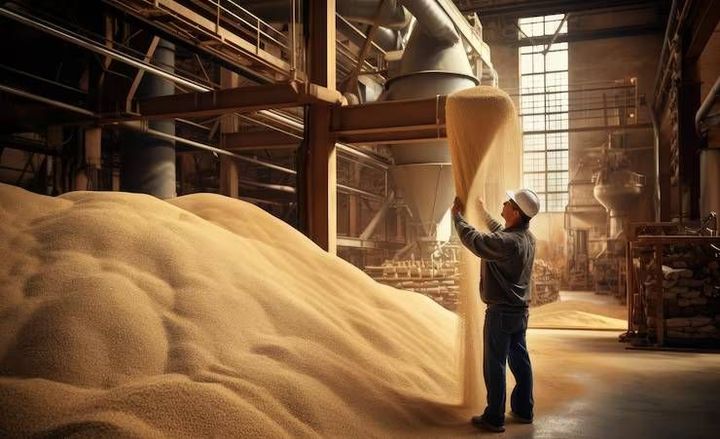
Automated Seed Processing Equipment Explained: Types, Functions, Benefits and Applications
Automated seed processing equipment refers to machines and integrated systems used to clean, separate, grade, treat, and prepare seeds for storage, distribution, or planting. These systems are used in agriculture to handle different seed varieties, including cereals, pulses, oilseeds, and vegetable seeds. Their main purpose is to reduce manual handling, improve processing consistency, and prepare seed batches according to specific quality requirements.
Context
Automated seed processing equipment refers to machines and integrated systems used to clean, separate, grade, treat, and prepare seeds for storage, distribution, or planting. These systems are used in agriculture to handle different seed varieties, including cereals, pulses, oilseeds, and vegetable seeds. Their main purpose is to reduce manual handling, improve processing consistency, and prepare seed batches according to specific quality requirements.
Seed processing developed from traditional methods such as hand sorting, sieving, winnowing, and sun drying. As farms expanded and agricultural supply chains became more organized, mechanical cleaners, graders, conveyors, and drying systems became increasingly important. Modern automated seed processing equipment combines these mechanical processes with sensors, electronic controls, and monitoring systems to manage the movement and separation of seeds.
How Automated Seed Processing Works
Seed processing generally begins when harvested seeds arrive at a processing facility. The incoming material may contain dust, soil, leaves, stalk fragments, stones, damaged seeds, and moisture at unsuitable levels. Processing equipment removes unwanted material and prepares the seeds for their intended use.
A typical processing line may include these stages:
Pre-cleaning: Removes large debris and some lightweight unwanted material.
Drying: Reduces moisture when required for safe storage or further processing.
Cleaning and separation: Uses screens, air movement, or other separation methods to remove impurities.
Grading: Separates seeds according to size, weight, shape, or other measurable characteristics.
Seed treatment: Applies an authorized treatment where required for a particular crop and purpose.
Packaging and storage preparation: Measures quantities, fills containers, and prepares processed batches for storage or distribution.
Not every facility uses all these stages. The process depends on the crop, the condition of the incoming material, the intended application, and the required seed quality.
Main Types of Automated Seed Processing Equipment
Different machines perform specific functions within a processing line. Common types include:
Seed cleaners: Remove dust, chaff, and other unwanted materials using screens and airflow.
Air-screen separators: Combine sieves and controlled air movement to separate materials by size and aerodynamic properties.
Gravity separators: Use differences in density and airflow across a vibrating deck to separate seeds with different physical characteristics.
Seed graders: Divide seed batches into size or weight categories using suitable mechanical or electronic methods.
Seed dryers: Control moisture levels through managed heat and airflow.
Optical sorters: Use cameras, lighting, and image-processing systems to identify visible differences in color, shape, or surface condition.
Conveyors and elevators: Transfer seed material between machines while reducing the need for manual movement.
Automatic weighing and packaging systems: Measure batches and fill bags or containers according to configured settings.
These machines can operate separately or as connected parts of an automated seed processing plant.
Importance
Automated seed processing equipment is important because seed quality influences crop establishment, agricultural planning, and the efficiency of farm operations. Impurities, inconsistent seed sizes, excessive moisture, and damaged seeds can create difficulties during planting, storage, and distribution. Processing helps manage these issues, although equipment alone cannot ensure germination, crop performance, or freedom from every form of contamination.
Farmers, seed producers, agricultural cooperatives, grain handlers, and commercial seed-processing facilities may all depend on suitable processing systems. Their requirements vary according to processing volume, crop type, labor availability, local climate, and the intended market.
Benefits and Practical Applications
Automation can improve the coordination of several processing stages. Machines can maintain configured operating settings, process material continuously within their rated capacity, and record selected operating information. These functions may support consistent handling when equipment is correctly installed, maintained, and operated.
Common practical benefits include:
Reduced manual handling: Conveyors and automated transfer systems move material between processing stages.
More consistent separation: Adjustable screens, airflow, and grading settings help process seed batches according to defined physical characteristics.
Improved process monitoring: Sensors and control panels can display moisture, temperature, speed, or equipment status where supported.
Batch traceability: Digital records can help facilities track seed lots, processing settings, and packaging information.
Flexible processing: Suitable machines can be configured for different crops, subject to their design and adjustment requirements.
Storage preparation: Cleaning and moisture management can help reduce storage problems when combined with appropriate storage practices.
Results depend on seed condition, machine design, operator settings, maintenance, and the characteristics being measured. For example, an optical sorter may identify visible discoloration but cannot automatically establish whether every seed is viable.
Comparing Common Seed Processing Machines
| Equipment type | Main function | Typical application |
|---|---|---|
| Pre-cleaner | Removes large debris | Initial handling of harvested crops |
| Air-screen cleaner | Separates by size and airflow response | Cereals, pulses, and oilseeds |
| Gravity separator | Separates by density-related characteristics | Seed lots requiring additional grading |
| Seed dryer | Reduces moisture | Material requiring moisture adjustment |
| Optical sorter | Detects selected visible differences | Removing visibly discolored or defective material |
| Seed treater | Applies an appropriate treatment | Crop-specific seed preparation |
| Automatic packer | Measures and fills containers | Packaged seed distribution |
The machines are not interchangeable in every situation. A processing line is generally designed around the seed variety, incoming material, required output, and quality-control procedures.
Recent Updates
Recent developments in automated seed processing have focused on digital monitoring, optical inspection, improved control systems, and more efficient use of energy and material. From 2024 through 2026, these technologies have continued to form part of broader agricultural automation efforts. Their adoption varies by facility, crop, available infrastructure, and investment priorities.
Artificial Intelligence and Optical Sorting
Modern optical sorting systems can analyze images of individual seeds or material moving along a processing line. Depending on their sensors and software, they may distinguish selected colors, shapes, surface marks, and other visible characteristics. Some systems use machine-learning methods to classify material according to configured criteria.
These technologies can support the removal of certain visible defects and impurities. However, results depend on lighting, camera resolution, the training or configuration of the system, and the characteristics of the seed batch. Internal damage, germination potential, and some biological contaminants may require separate testing methods.
Connected Controls and Data Monitoring
Automated seed processing plants increasingly use programmable logic controllers, digital sensors, and operator dashboards. These systems can coordinate conveyors, monitor operating conditions, and trigger alerts when selected parameters move outside configured limits.
Some facilities also use production records to compare batch performance, identify recurring equipment problems, and schedule maintenance. Such systems require accurate data, appropriate calibration, and staff who understand how to respond to alerts.
Energy and Resource Management
Drying and material transport can account for a substantial portion of the energy used in a seed-processing operation, depending on the equipment and crop. Current engineering approaches include improved airflow control, variable-speed motors, heat management, and better insulation in suitable systems.
Water use, dust control, and waste separation are also relevant to facility design. The environmental effect of an upgrade depends on operating conditions, energy sources, maintenance, and the amount of material processed.
Laws or Policies
Automated seed processing equipment is affected by agricultural seed regulations, machinery safety requirements, environmental rules, and the standards applicable to the final seed product. The exact requirements depend on the country, crop, processing activity, and whether the seeds are intended for planting, food, or another use.
Seed Regulations in India
In India, the Seeds Act, 1966, and the Seeds Rules, 1968, form part of the framework governing specified aspects of seed quality and regulation. The Seeds (Control) Order, 1983, also addresses seed-related trade and dealer requirements. Applicable provisions depend on the activity and the current legal framework.
Seed producers and processors may need to follow relevant requirements concerning notified varieties, labeling, quality standards, germination, and seed purity where applicable. The requirements for seed intended for planting differ from those governing grain intended for food processing or other purposes.
The Ministry of Agriculture and Farmers Welfare, state agriculture departments, and relevant seed-certification authorities provide information about applicable rules and procedures. Requirements should be checked for the particular crop and business activity rather than assumed to be identical across all seed categories.
Machinery Safety and Environmental Requirements
Equipment operators must account for moving parts, electrical systems, dust, heat, and noise. Appropriate guards, emergency stops, safe maintenance procedures, and worker training help manage operational hazards. Dust extraction and suitable housekeeping are particularly relevant where fine organic material accumulates, because some agricultural dust can create respiratory and fire risks.
Facilities may also be subject to applicable factory, electrical, fire safety, labor, and environmental requirements. Machinery installation and operation should follow the manufacturer's technical instructions and the rules applicable at the site.
Tools and Resources
Several technical and agricultural resources help facilities plan, operate, and evaluate automated seed processing systems. The appropriate tools depend on the crop, processing capacity, seed quality requirements, and the type of equipment installed.
Equipment Planning and Quality Testing
Equipment specification sheets and process-flow diagrams help show how material moves through a facility. A process diagram can identify cleaning, drying, grading, treatment, and packaging stages, while a capacity worksheet can estimate whether connected machines can handle the intended throughput.
Seed-testing laboratories can evaluate characteristics such as physical purity, germination, moisture, and other crop-specific quality measures. The applicable test methods depend on the crop and the relevant regulatory or certification framework. Testing provides information that cannot be established solely by inspecting machine output.
Digital Monitoring and Maintenance Records
A processing facility can maintain a spreadsheet or digital log containing:
Crop variety and batch identification.
Incoming and outgoing material quantities.
Moisture readings before and after drying.
Screen sizes and operating settings.
Equipment cleaning and maintenance records.
Seed-quality test results and packaging details.
These records support traceability and can help identify changes between batches. Their usefulness depends on consistent measurement, correct data entry, and appropriate record management.
Useful Agricultural Resources
India's Ministry of Agriculture and Farmers Welfare provides information about agricultural programs and seed-related policies. The Indian Council of Agricultural Research and its relevant institutes publish agricultural research and technical information. State agriculture departments and authorized seed-testing or certification bodies can clarify requirements for specific crops and locations.
Equipment manufacturers' technical manuals can also explain operating capacity, maintenance intervals, calibration, and safety requirements. Published capacity figures should be interpreted in context because actual throughput depends on the crop, impurity level, moisture, and machine configuration.
FAQs
What is automated seed processing equipment?
Automated seed processing equipment consists of machines and control systems that clean, separate, grade, dry, treat, or package seeds. The combination used depends on the crop and the intended application.
What are the main types of automated seed processing machines?
Common types include pre-cleaners, air-screen cleaners, gravity separators, dryers, graders, optical sorters, seed treaters, conveyors, and automatic packaging machines. Each performs a different function within the processing line.
How does automated seed processing improve seed quality?
It can remove selected impurities, separate seeds by physical characteristics, manage moisture, and improve handling consistency. Seed germination and other quality characteristics still require suitable testing.
Which crops use automated seed processing equipment?
Such equipment is used for cereals, pulses, oilseeds, vegetable seeds, and various other agricultural seeds. Machine selection and operating settings depend on seed size, shape, moisture, and processing requirements.
What factors matter when selecting seed processing equipment?
Important factors include crop type, required throughput, incoming material condition, desired separation accuracy, available space, energy needs, maintenance requirements, and applicable safety rules. Compatibility between connected machines also affects overall processing performance.
Conclusion
Automated seed processing equipment supports the cleaning, drying, grading, treatment, and packaging of agricultural seeds through coordinated mechanical and digital systems. Different machines address different material characteristics, so processing lines vary according to crop requirements and intended use. Advances in optical sorting, connected controls, and monitoring are expanding the ways facilities manage processing operations. Appropriate testing, maintenance, operator training, and compliance with relevant agricultural and machinery rules remain important parts of the process.