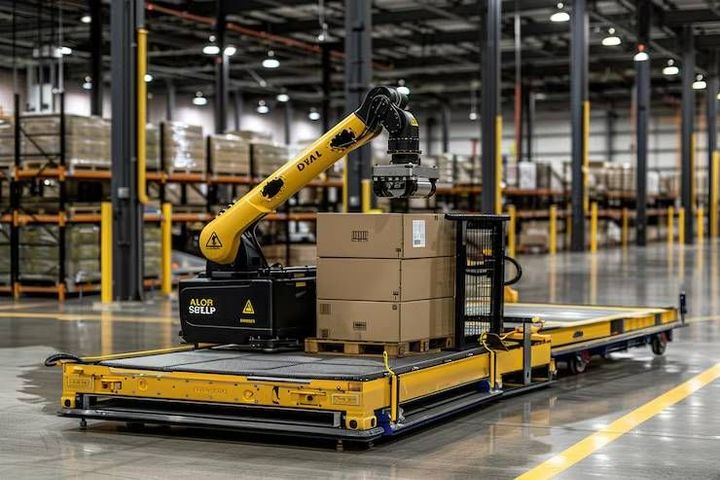
Automatic Dock Levelers Guide: Working Principles, Features, Safety and Operating Methods
An Automatic Dock Levelers Guide explains the working principles, features, safety requirements, and operating methods of equipment used to connect loading docks with trucks, trailers, and other transport vehicles. Automatic dock levelers are commonly installed in warehouses, distribution centers, manufacturing plants, and logistics facilities where goods move between buildings and vehicles. They help bridge the height difference between a loading dock and a vehicle bed, creating a surface for moving materials.
Context
An Automatic Dock Levelers Guide explains the working principles, features, safety requirements, and operating methods of equipment used to connect loading docks with trucks, trailers, and other transport vehicles. Automatic dock levelers are commonly installed in warehouses, distribution centers, manufacturing plants, and logistics facilities where goods move between buildings and vehicles. They help bridge the height difference between a loading dock and a vehicle bed, creating a surface for moving materials.
Traditional loading docks may use fixed ramps, manually operated plates, or mechanical levelers. As material-handling operations developed, hydraulic and electrically controlled equipment became more common because it can adjust the platform with less manual effort. Automatic dock levelers are part of this development, supporting the movement of palletized goods, packaged materials, and equipment between transport vehicles and warehouse floors.
What Is an Automatic Dock Leveler?
An automatic dock leveler is a platform installed at a loading bay that raises, lowers, or adjusts its position to accommodate differences in height between a dock and a vehicle. Many systems use hydraulic cylinders and electric controls, while other designs use mechanical springs or alternative drive arrangements. The exact operating method depends on the equipment model.
A typical dock leveler consists of a platform, a hinged lip, a lifting mechanism, a control system, and safety components. The lip extends toward the vehicle bed to create a transition between the two surfaces. When correctly positioned and operated, the platform helps forklifts, pallet trucks, and authorized personnel move across the loading area.
Main Types of Automatic Dock Levelers
Automatic dock levelers vary in their lifting mechanisms and installation arrangements.
Hydraulic dock levelers: Electric motors drive hydraulic pumps that move cylinders to raise or lower the platform. Controls activate the required movement.
Electromechanical dock levelers: Electric motors and mechanical components move the platform and lip according to the equipment design.
Vertical storing dock levelers: The platform rises to a near-vertical storage position when not in use, helping separate the loading bay from the external environment.
Edge-of-dock levelers: These compact units attach to the dock edge and accommodate a more limited range of height differences than many full-size pit-mounted systems.
Not every automatic dock leveler uses the same components or operating sequence. Selection depends on vehicle types, loading frequency, dock construction, available space, and operational requirements.
Importance
Automatic dock levelers matter because loading and unloading involve differences in vehicle height, changing vehicle positions, and the movement of heavy materials. Without a suitable transition between the dock and the vehicle, forklifts may encounter abrupt changes in surface level, while workers may face trip hazards or difficulties moving goods.
Warehouses, factories, retail distribution centers, and transport terminals use loading equipment to manage these challenges. Dock levelers also affect workflow because delays at loading bays can interrupt receiving, dispatch, inventory movement, and vehicle scheduling.
Operational Benefits and Practical Challenges
A properly selected dock leveler can reduce the amount of manual adjustment required during loading operations. Powered movement can help workers position the platform more consistently, although safe operation still depends on training, inspections, vehicle positioning, and adherence to the manufacturer's instructions.
Common operational challenges include:
Height differences: Vehicle beds may sit at different heights depending on the vehicle design, suspension, and load.
Heavy traffic: Frequent loading cycles can increase wear on hinges, hydraulic components, and control systems.
Environmental exposure: Rain, dust, temperature changes, and moisture may affect equipment condition.
Vehicle movement: A trailer that moves away from the dock during loading can create a dangerous gap or change the platform's support.
Maintenance needs: Worn components, leaks, damaged controls, or obstructed movement can affect safe operation.
Comparing Dock Leveler Types
| Type | Main operating method | Common consideration |
|---|---|---|
| Hydraulic | Pump and hydraulic cylinders | Fluid condition and cylinder inspection |
| Electromechanical | Motor-driven mechanical movement | Drive components and control condition |
| Vertical storing | Platform stored upright when inactive | Space, sealing, and loading-bay layout |
| Edge-of-dock | Compact mechanism at the dock edge | Limited height adjustment range |
The table describes general equipment categories. Actual load ratings, operating ranges, and safety functions vary by model and installation.
Recent Updates
From 2024 through 2026, industrial material-handling equipment has continued to develop around automation, energy management, workplace safety, and equipment monitoring. These developments do not apply uniformly to every manufacturer or facility, and they should be understood as broader industrial trends rather than universal features of automatic dock levelers.
Automation and Control Systems
Many modern loading-bay systems use push-button controls, electrical interlocks, and coordinated equipment controls. Depending on the design, a dock leveler may operate alongside dock doors, vehicle restraints, traffic signals, or loading-bay lights. Interlocks can help prevent certain actions from occurring in an unsafe sequence, but they do not replace physical inspection or safe operating procedures.
Some industrial facilities also use connected monitoring systems to track equipment status, maintenance requirements, and operational interruptions. Where supported, these systems may help maintenance teams identify recurring faults or schedule inspections. Connectivity and diagnostic capabilities depend on the equipment and the wider facility control system.
Energy Use and Equipment Monitoring
Hydraulic systems require electrical energy to power their pumps, while mechanical systems have different energy and maintenance characteristics. Facilities may assess energy use, duty cycles, and maintenance records when evaluating loading-bay equipment.
Preventive maintenance remains important even when digital monitoring is available. Sensors may identify selected operating conditions, but they cannot necessarily detect every structural defect, damaged hinge, worn seal, or unsafe loading practice. Physical inspection and qualified maintenance remain necessary.
Laws or Policies
Automatic dock levelers are industrial equipment, so their installation and use may be affected by workplace safety rules, electrical requirements, building regulations, machinery standards, and manufacturer instructions. The applicable requirements depend on the country, facility type, equipment design, and work activities.
Workplace Safety Requirements in India
In India, industrial loading areas must be managed according to applicable occupational safety and workplace requirements. The Occupational Safety, Health and Working Conditions Code, 2020, forms part of India's occupational safety legislation, with implementation and applicable provisions depending on the relevant commencement notifications and rules.
Facilities should determine which requirements apply to their establishment and workers. Relevant safety measures may include suitable access routes, hazard controls, equipment maintenance, worker training, and procedures for handling vehicles at loading bays.
Equipment Standards and Safe Installation
Technical standards may address dock leveler design, rated capacity, testing, installation, and safety features. International standards and manufacturer specifications can provide technical guidance, but a particular standard is not automatically a legal requirement in every location.
Before installation, the dock structure and supporting surfaces need to be assessed for suitability. Equipment must be rated for the loads and operating conditions expected at the facility. Electrical connections, hydraulic components, protective devices, and control systems should be installed and maintained by appropriately qualified personnel.
Safety Responsibilities During Operation
Safe operation depends on both equipment condition and workplace procedures. Facilities should establish clear rules for vehicle positioning, trailer restraint where required, authorized operation, pedestrian movement, and access to the loading area.
Important precautions include:
Confirm that the vehicle is correctly positioned and secured according to the facility's procedure.
Keep workers clear of moving platforms, hinges, and other pinch points.
Never exceed the equipment's rated capacity.
Avoid operating equipment that shows damage, unusual movement, or hydraulic leakage.
Use the designated maintenance lockout procedure before inspection or repair.
Follow the manufacturer's instructions for emergency stops, manual recovery, and fault handling.
These are general safety principles rather than a substitute for model-specific instructions or a site risk assessment.
Tools and Resources
Several technical resources can support automatic dock leveler selection, operation, inspection, and maintenance. The appropriate resource depends on the equipment model, the facility's loading requirements, and the training of the people using it.
Equipment Documentation and Planning Tools
Manufacturer manuals typically explain operating sequences, rated capacities, platform dimensions, inspection points, and maintenance procedures. Installation drawings can help engineers assess pit dimensions, mounting arrangements, electrical requirements, and clearance around moving components.
A loading-bay assessment sheet can record vehicle bed heights, expected loads, forklift types, daily operating cycles, and environmental conditions. These details help facilities evaluate whether the equipment is suitable for the intended application.
Inspection and Maintenance Resources
A maintenance checklist can record platform condition, lip movement, hinge wear, hydraulic leaks, control operation, warning lights, and visible damage. Inspection frequency should follow the manufacturer's instructions, applicable regulations, and the facility's risk assessment.
Useful resources may include:
Manufacturer operation and maintenance manuals.
Equipment inspection and maintenance logs.
Workplace risk-assessment templates.
Training materials for authorized operators.
Technical guidance from applicable machinery and occupational safety organizations.
Basic Operating Method
Although individual systems differ, a typical automatic dock leveler may follow these steps:
Inspect the loading area and confirm that the vehicle is positioned according to site procedures.
Verify that the vehicle restraint or other required securing method is engaged.
Check that the platform and surrounding area are clear of people and obstructions.
Use the designated control to raise or position the platform and extend the lip as instructed.
Confirm that the leveler is properly supported and positioned before moving goods across it.
After loading or unloading, return the platform to its designated resting position and follow the site's vehicle-release procedure.
The precise sequence can differ between hydraulic, electromechanical, and vertical storing systems. Operators should be trained on the specific equipment installed at their workplace.
FAQs
How does an automatic dock leveler work?
An automatic dock leveler adjusts a platform to bridge the height difference between a loading dock and a vehicle bed. Depending on the model, an electric hydraulic system or motor-driven mechanism raises the platform and positions its hinged lip.
What are the main types of automatic dock levelers?
Common types include hydraulic, electromechanical, vertical storing, and edge-of-dock levelers. They differ in their operating mechanisms, installation arrangements, adjustment ranges, and intended applications.
What safety features are used in automatic dock levelers?
Depending on the model, safety features may include maintenance supports, emergency stops, toe guards, warning lights, and interlocks. Vehicle restraints and dock traffic signals may operate as part of the wider loading-bay system.
How often should an automatic dock leveler be inspected?
Inspection frequency depends on the manufacturer's instructions, usage intensity, workplace conditions, and applicable rules. Routine checks should be supplemented by scheduled maintenance and prompt assessment of damage or abnormal operation.
What factors matter when selecting an automatic dock leveler?
Important factors include rated load capacity, vehicle height range, platform dimensions, loading frequency, forklift type, environmental conditions, dock structure, and required safety controls. The equipment specification must match the actual loading conditions.
Conclusion
Automatic dock levelers bridge the height difference between loading docks and transport vehicles through hydraulic or mechanical operating systems. Their design, rated capacity, controls, and safety features vary according to the intended application. Proper installation, operator training, vehicle securing procedures, and regular maintenance are important parts of safe loading-bay operations. Applicable workplace rules and manufacturer instructions determine many of the practical requirements for using this equipment.