Automotive Lighting Systems Guide: Headlights, Taillights, LEDs, Features and Safety Considerations
Automotive lighting systems are an important part of vehicle design, combining illumination, visibility, signaling, and communication between road users. Headlights help drivers see the road ahead, while taillights, brake lights, indicators, and other lamps help surrounding drivers understand a vehicle's position and movements.
Context
Automotive lighting systems are an important part of vehicle design, combining illumination, visibility, signaling, and communication between road users. Headlights help drivers see the road ahead, while taillights, brake lights, indicators, and other lamps help surrounding drivers understand a vehicle's position and movements.
Early vehicles relied on relatively simple lamps that provided limited illumination. As vehicle speeds increased and driving became more common at night, lighting technology developed to improve visibility and make vehicle movements easier to recognize. Modern automotive lighting systems can include halogen lamps, high-intensity discharge systems, LEDs, adaptive lighting, daytime running lights, and electronically controlled light functions.
The main purpose of vehicle lighting is not simply to make a vehicle visible. Each lamp has a defined function, location, color, intensity, and operating condition. These characteristics help create predictable communication between vehicles, pedestrians, cyclists, and other road users.
Main Lighting Functions
A typical passenger vehicle can contain several types of exterior lighting:
- Headlights illuminate the road ahead and normally include low-beam and high-beam functions.
- Taillights make the rear of a vehicle visible, particularly during low-light conditions.
- Brake lights indicate that the vehicle is slowing or stopping.
- Turn indicators communicate an intended change in direction.
- Reversing lamps indicate that the vehicle is moving or preparing to move backward.
- Fog lamps can provide additional illumination under certain visibility conditions.
- Daytime running lights increase the visibility of a vehicle during daylight.
Interior lamps, dashboard indicators, and warning lights form another part of the broader automotive lighting system.
Importance
Automotive lighting systems affect everyday driving, particularly during nighttime travel, rain, fog, tunnels, and other conditions where natural visibility is reduced. Properly functioning headlights allow drivers to identify road features, while rear lighting helps other road users recognize a vehicle from a distance.
Lighting also plays a communication role. A brake lamp can indicate deceleration, while a turn indicator provides information about a planned direction change. When these signals are clear and consistent, other road users have more information for interpreting traffic situations.
Headlights and Visibility
Headlights generally use low-beam and high-beam patterns. Low beams are designed for normal nighttime driving and are shaped to illuminate the roadway while limiting unnecessary glare toward approaching traffic.
High beams provide a longer illumination range but can create significant glare for other drivers. They therefore need to be used according to road conditions and traffic circumstances.
Headlight alignment is also important. A lamp that points too high may increase glare, while a lamp that points too low may reduce useful forward illumination. Vehicle loading, suspension changes, and lamp installation can influence the direction of the beam.
Taillights and Signaling
Taillights normally emit red light and help identify the rear of a vehicle. Brake lamps use a stronger or distinct light signal to indicate braking, while turn indicators normally use an amber signal.
These functions work together to communicate vehicle movement. A damaged or incorrectly configured lamp can make these signals difficult for other road users to interpret.
Recent Updates
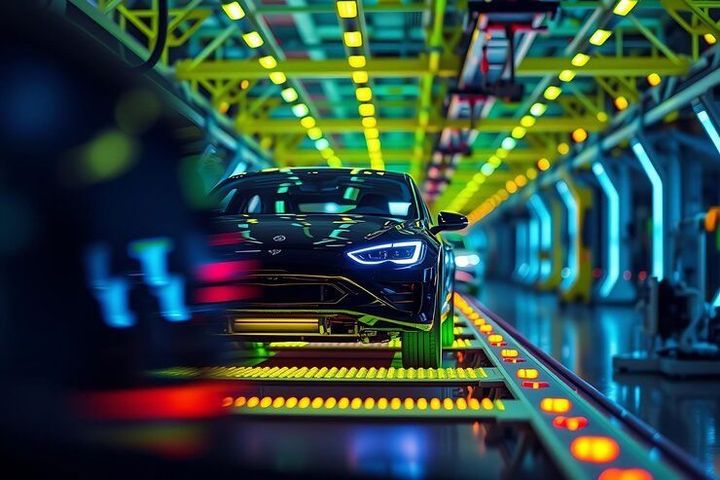
Automotive lighting has continued to move toward LED-based systems, electronic control, adaptive illumination, and more integrated lighting functions during 2024–2026. LED light sources are increasingly incorporated into vehicle lighting because they can support compact designs, electronic control, and multiple lighting functions.
Another area of development is adaptive lighting. Adaptive Front Lighting Systems can adjust aspects of the forward lighting pattern according to driving conditions. Other technologies include automatic beam control, automatic leveling, dynamic indicators, and emergency lighting signals.
India's draft AIS-008 Revision 3 from 2024 includes provisions related to LED and LED substitute light sources, automatic leveling for lamps exceeding specified luminous-flux thresholds, and optional functions such as Adaptive Front Lighting Systems, Emergency Stop Signals, Exterior Courtesy Lamps, Rear End Collision Alert Signals, and Maneuvering Lamps. These developments show the direction of automotive lighting standardization toward more electronically controlled systems.
LED Lighting
LEDs have become an important lighting technology in modern vehicles. Compared with older filament-based lighting, LED systems can be arranged in small modules and controlled electronically.
A lighting assembly may contain multiple LED elements rather than a single light source. This allows designers to create different optical patterns for headlights, taillights, indicators, and daytime running lights.
However, an LED lamp is not automatically suitable for every vehicle simply because it produces illumination. Beam pattern, optical design, electrical compatibility, heat management, color, and regulatory requirements all matter.
Adaptive and Automated Features
Modern vehicles can use sensors, cameras, and electronic controllers to modify lighting behavior. Depending on the vehicle design, automated functions may adjust the headlight pattern, switch between lighting modes, or respond to steering and driving conditions.
These systems require coordination between lighting hardware and vehicle electronics. Their behavior also needs to remain within applicable technical and regulatory requirements.
Laws or Policies
In India, vehicle lighting is governed through the Central Motor Vehicles Rules framework and related Automotive Industry Standards. The Automotive Research Association of India identifies lighting and light-signaling devices as a regulatory area covering installation and performance requirements, headlamps, parking lights, indicators, reflectors, retroreflective markings, Adaptive Front Lighting Systems, and LED light sources.
AIS-008 addresses installation requirements for lighting and light-signaling devices on motor vehicles with more than three wheels, trailers, and semi-trailers. AIS-010 addresses performance requirements for lighting and light-signaling devices for two- and three-wheeled motor vehicles and related vehicle categories.
Vehicle type approval is another important part of the Indian regulatory framework. Manufacturers and relevant vehicle systems are assessed against applicable requirements before vehicles can be approved for road use.
Lighting Compliance Considerations
Vehicle lighting requirements can involve several factors:
- Correct lamp position and orientation.
- Appropriate light color for each function.
- Required visibility and intensity characteristics.
- Suitable beam distribution.
- Correct signaling behavior.
- Compatibility with the vehicle's electrical and control systems.
- Compliance with applicable AIS and CMVR requirements.
Rules can vary according to vehicle category and lighting function. Therefore, a lighting modification that appears technically possible may still need to comply with the applicable requirements for that vehicle.
Tools and Resources
Several resources can help readers understand automotive lighting systems and related standards.
The Automotive Research Association of India provides information about Automotive Industry Standards, vehicle type approval, regulatory areas, and approved components. Its technical resources can help readers understand how lighting systems are evaluated within India's vehicle regulatory framework.
Vehicle owners can also refer to the vehicle handbook for information about the intended lighting functions and dashboard indicators. The handbook generally identifies the controls for low beams, high beams, indicators, fog lamps, and other fitted lighting functions.
A basic lighting inspection can also be useful for understanding the condition of a vehicle's lamps. Drivers can check whether headlights, taillights, brake lights, indicators, reversing lamps, and other fitted exterior lamps illuminate correctly.
| Lighting Component | Main Function | Common Light Color |
|---|---|---|
| Low-beam headlight | Forward road illumination | White |
| High-beam headlight | Extended forward illumination | White |
| Taillight | Rear vehicle visibility | Red |
| Brake light | Indicates braking | Red |
| Turn indicator | Indicates directional intention | Amber |
| Reversing lamp | Indicates reversing | White |
| Rear reflector | Improves vehicle visibility | Red |
| Daytime running light | Daytime vehicle visibility | White |
FAQs
What are the main types of automotive lighting systems?
Common automotive lighting systems include headlights, taillights, brake lights, turn indicators, reversing lamps, fog lamps, daytime running lights, and reflectors. Modern vehicles may also include adaptive lighting and electronically controlled lighting functions.
How do LED headlights differ from traditional headlights?
LED headlights use light-emitting diodes as their light source. They can be arranged into compact modules and electronically controlled, allowing manufacturers to create different lighting patterns and functions.
What are automotive lighting systems used for?
Automotive lighting systems provide road illumination, increase vehicle visibility, and communicate information such as braking, turning, and reversing to other road users.
Why are headlight alignment and beam pattern important?
Headlight alignment determines where the light is directed. Incorrect alignment can reduce useful road illumination or create glare for other road users, making proper beam positioning an important part of lighting performance.
Are taillights and brake lights the same?
They are separate lighting functions. Taillights help make the rear of a vehicle visible, while brake lights provide a stronger braking signal when the vehicle decelerates.
Conclusion
Automotive lighting systems combine illumination, visibility, and signaling functions that support safer interaction among road users. Headlights, taillights, LEDs, indicators, brake lamps, and adaptive features each have specific roles within a vehicle. Modern developments are increasingly focused on electronically controlled LED systems and adaptive lighting functions. In India, these technologies operate within the CMVR and Automotive Industry Standards framework, with requirements varying according to vehicle category and lighting function.