Beverage Filling Line Conveyors Guide: Designs, Working Principles, Uses and Key Considerations
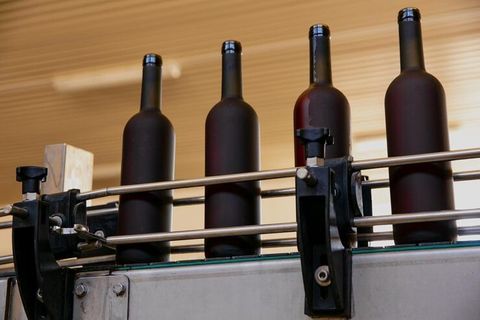
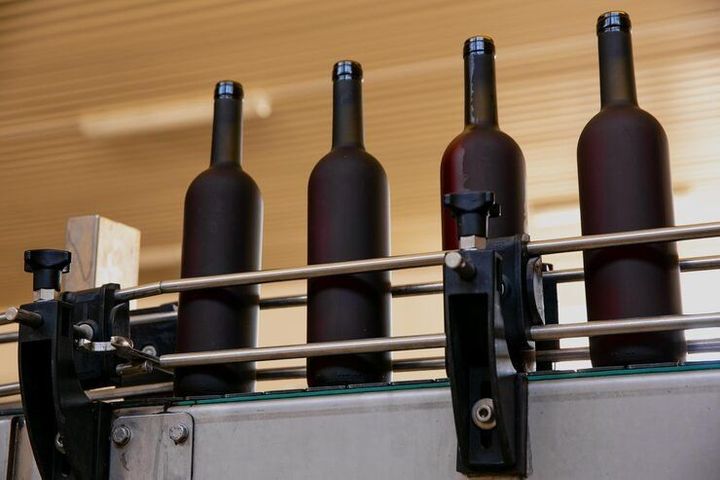
Beverage filling line conveyors are material-handling systems used to move bottles, cans, cartons, containers, and packaged beverages between different stages of a production line. They connect processes such as container feeding, rinsing, filling, capping, labeling, inspection, packing, and pallet preparation. Instead of requiring containers to be moved manually between each stage, conveyors create a continuous path through the production area.
The development of beverage filling line conveyors is closely connected with the growth of packaged drinks and automated food processing. As filling equipment became faster and more integrated, a reliable method was needed to maintain a steady flow of containers. Conveyor systems provide that connection while helping production equipment operate in a coordinated sequence.
Main components
A typical conveyor arrangement can contain several parts that work together. These may include a conveyor frame, belt or chain, drive motor, rollers or sprockets, guides, sensors, control units, and container-support components.
The exact arrangement depends on the type of beverage and container. Plastic bottles, glass bottles, aluminum cans, cartons, and other containers can have different handling requirements. Container shape, weight, size, surface condition, and production speed all influence conveyor design.
How the system fits into a filling line
A beverage filling line may contain several connected stages:
- Container feeding moves empty containers toward the processing area.
- Rinsing or cleaning prepares containers where required.
- Filling introduces the beverage into the container.
- Capping or sealing closes the container.
- Labeling identifies the packaged product.
- Inspection checks selected characteristics such as position, fill level, closure, or label placement.
- Packing groups individual containers into cases or other secondary packaging.
Conveyors provide the movement between these stages. Their purpose is not simply to transport containers, but to maintain an organized flow that matches the requirements of connected equipment.
Importance
Beverage filling line conveyors matter because container movement can affect the operation of an entire production system. If containers move too slowly, downstream equipment may receive fewer containers than expected. If movement becomes too fast or poorly controlled, containers can accumulate, fall, or interfere with nearby equipment.
For general beverage manufacturing, conveyor design also relates to hygiene and workplace conditions. Areas around filling equipment may require regular cleaning, inspection, and controlled handling. Conveyor components therefore need to be considered as part of the wider production environment rather than as isolated machinery.
Problems conveyors help address
A suitable conveyor arrangement can help manage several practical issues:
- Continuous movement between connected machines
- Controlled spacing between containers
- Accumulation before selected processing stages
- Changes in conveyor direction or elevation
- Transfer between different conveyor types
- Movement of empty and filled containers
- Reduction of unnecessary manual handling
- Coordination between sensors and production equipment
The system also affects how easily operators can observe and access different parts of the line. A layout with suitable spacing, guides, access points, and inspection areas can make routine monitoring more organized.
Common conveyor designs
Different designs are used for different sections of beverage filling lines.
| Conveyor type | Typical use | Important consideration |
|---|---|---|
| Belt conveyor | Bottles, cartons, and packaged products | Belt material and tracking |
| Slat conveyor | Bottles and cans | Container stability and spacing |
| Roller conveyor | Cases and secondary packages | Package shape and weight |
| Chain conveyor | Containers and heavier packages | Chain compatibility and alignment |
| Flexible conveyor | Temporary or adjustable movement | Layout and positioning |
| Incline conveyor | Moving containers between levels | Container stability and speed |
No single design applies to every beverage line. The conveyor must correspond with the container type, equipment layout, hygiene requirements, and operating conditions.
Recent Updates
From 2024 through 2026, beverage production has continued to move toward greater automation, connected controls, improved monitoring, and more attention to packaging materials. These developments influence conveyor systems because conveyors increasingly operate as part of integrated production lines rather than as independent transport equipment.
Sensor-based monitoring is becoming more common in automated lines. Sensors can detect container presence, spacing, accumulation, and movement. Programmable control systems can use this information to coordinate conveyor movement with filling, capping, labeling, and inspection equipment.
Another continuing development is the use of data from production equipment. Modern control systems can record operating information that helps identify interruptions, repeated stoppages, or unusual movement patterns. This can support routine equipment assessment and production planning.
Packaging regulations have also received attention in India. FSSAI updated its Food Safety and Standards (Packaging) Regulations compendium in 2025, including provisions concerning food-contact packaging materials. In April 2025, FSSAI also classified food-grade packaging material as a critical food-safety inspection point.
FSSAI records also show continued regulatory activity during 2025 and 2026 involving packaging, labeling, licensing, and food-safety requirements. These developments are relevant to beverage filling environments because packaging materials and food-contact conditions are connected to the overall handling process.
There has also been increasing attention to recycled PET and other packaging materials. FSSAI maintains information concerning approved recycled PET resin manufacturers for food-contact applications, reflecting the importance of material safety when recycled packaging enters food and beverage applications.
Laws or Policies
In India, beverage filling operations are affected by food-safety, packaging, labeling, and packaged-commodity requirements. The Food Safety and Standards Authority of India, or FSSAI, establishes regulations covering food products, packaging, labeling, and food-business operations.
The Food Safety and Standards (Packaging) Regulations, 2018 establish requirements for materials used in contact with food. The regulations distinguish between primary packaging, which comes directly into contact with food, and secondary packaging, which surrounds primary packaging without direct contact.
For a beverage filling line, this means conveyor components and surrounding equipment should be considered in relation to the production environment. Food-contact packaging itself must meet applicable requirements, while equipment cleanliness and manufacturing practices are also relevant to food safety.
The Legal Metrology framework is another consideration for packaged beverages. The Department of Consumer Affairs maintains the Legal Metrology (Packaged Commodities) Rules, 2011 and subsequent amendments. These rules address information associated with packaged commodities, making accurate filling, packaging, and labeling important parts of the overall process.
Requirements can vary according to the beverage category, package type, production activity, and applicable regulation. Businesses therefore need to consult the current FSSAI, Legal Metrology, and other applicable Indian regulatory documents rather than relying only on general conveyor information.
Tools and Resources
Several resources can help readers understand beverage filling line conveyors and related production requirements.
Equipment and layout tools
Computer-aided design software can be used to create conveyor layouts and examine distances between filling, capping, labeling, inspection, and packing equipment. Layout drawings can also help identify changes in direction, elevation, access areas, and potential accumulation points.
Manufacturers and engineering teams may also use conveyor capacity calculations. Basic calculations can consider container dimensions, spacing, conveyor speed, and the number of containers passing a particular point over a period.
Regulatory resources
The FSSAI website provides regulations, notifications, packaging requirements, food-safety information, and inspection-related documents. The Department of Consumer Affairs provides Legal Metrology information, including packaged-commodity rules and related documents.
BIS publications can also be relevant when an Indian Standard applies to a particular material, machine component, electrical element, or manufacturing activity. The applicable standard depends on the equipment and product involved.
Maintenance and monitoring resources
Routine inspection checklists can record belt or chain condition, guide alignment, sensor operation, unusual noise, accumulation, and visible wear. Digital control-system records can also help identify recurring interruptions and operating patterns.
A basic conveyor assessment may include:
- Container dimensions and weight
- Conveyor speed range
- Required spacing
- Belt, slat, roller, or chain arrangement
- Transfer points
- Cleaning requirements
- Sensor locations
- Emergency stopping arrangements
- Operator access
- Integration with filling and packaging equipment
FAQs
What are beverage filling line conveyors?
Beverage filling line conveyors are systems that transport containers between stages of beverage production. They can move bottles, cans, cartons, and packaged products between filling, capping, labeling, inspection, and packing equipment.
How do beverage filling line conveyors work?
They use a moving belt, chain, slats, rollers, or another transport mechanism to move containers along a defined path. Sensors and control systems can regulate movement, spacing, accumulation, and coordination with connected machines.
Which conveyor design is used for beverage bottles?
Slat conveyors and belt conveyors are commonly used for bottles, while other designs may be used for cases or specific transfer points. The appropriate design depends on container shape, material, weight, line layout, and operating conditions.
What should be considered when designing a beverage filling line conveyor?
Important considerations include container dimensions, conveyor speed, spacing, transfer points, hygiene requirements, guide arrangement, sensor placement, equipment compatibility, operator access, and the overall production layout.
Do Indian food-safety rules affect beverage filling lines?
Indian food-safety requirements apply to food businesses and packaging materials, while specific requirements depend on the product and operation. FSSAI regulations cover areas such as food-contact packaging, and Legal Metrology rules address packaged-commodity information.
Conclusion
Beverage filling line conveyors connect different stages of beverage production and help maintain an organized flow of containers. Their design depends on factors such as container type, movement speed, spacing, hygiene, equipment integration, and production layout. Recent developments have placed greater attention on automation, sensor-based monitoring, packaging materials, and regulatory compliance. In India, FSSAI and Legal Metrology requirements form part of the wider regulatory environment surrounding beverage packaging and production.