Brick Making Machines Guide: Designs, Working Principles, Materials, Uses and Selection Factors
Brick making has been part of construction for centuries, with traditional bricks formed by hand from clay and then dried or fired. As construction requirements expanded, mechanical equipment was developed to make brick production more consistent and organized. Today, brick making machines are used for forming different types of building bricks from materials such as clay, cement, fly ash, sand, and other suitable mixtures.
Context
Brick making has been part of construction for centuries, with traditional bricks formed by hand from clay and then dried or fired. As construction requirements expanded, mechanical equipment was developed to make brick production more consistent and organized. Today, brick making machines are used for forming different types of building bricks from materials such as clay, cement, fly ash, sand, and other suitable mixtures.
A brick making machine generally converts a prepared mixture into a defined shape through pressure, molding, or extrusion. Depending on the machine design, the formed bricks may then undergo curing, drying, or firing. The equipment used in one process may therefore differ significantly from equipment designed for another brick material.
Understanding brick making machines is useful for readers interested in construction materials, manufacturing processes, industrial equipment, and building technology. The machine design, raw material, forming method, curing process, and intended brick type all influence how the production system works.
Common machine designs
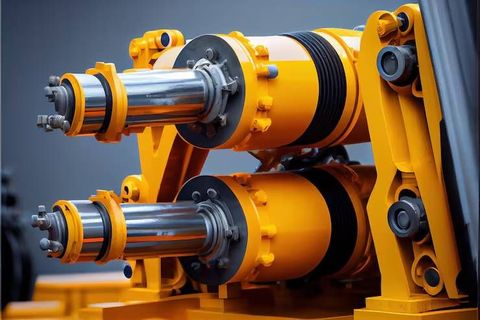
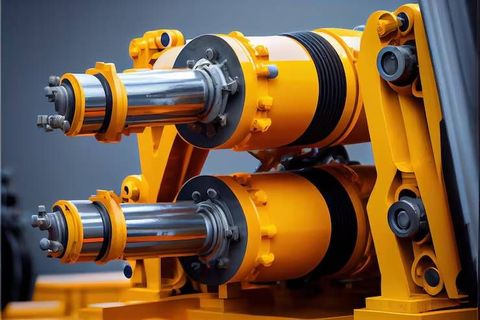
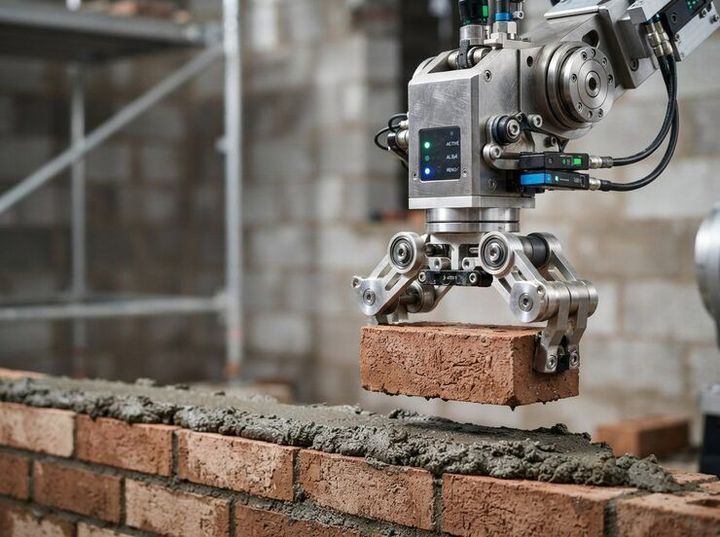
Several machine designs are used in brick production. Hydraulic machines use hydraulic pressure to compress a prepared mixture inside molds. Mechanical presses use mechanical force for similar forming operations, while extrusion machines push plastic clay through a shaped opening before the continuous column is divided into individual units.
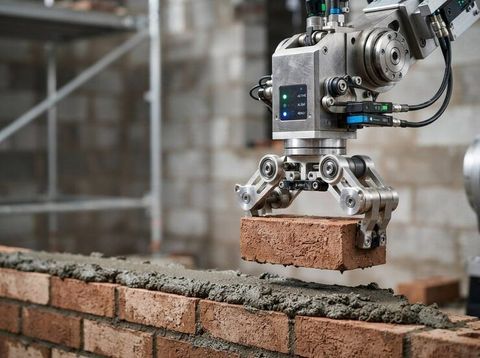
Some systems combine mixing, feeding, molding, and brick removal into a connected production line. Smaller systems may require more manual handling between stages. The appropriate design depends on the material and the type of brick being produced.
Importance
Brick making machines matter because bricks require consistent dimensions and physical characteristics for many construction applications. Manual forming can result in differences in shape and density, while controlled mechanical forming can provide a more repeatable production process.
The subject also matters because different raw materials require different manufacturing methods. Clay bricks commonly involve preparation, shaping, drying, and firing. Fly ash and cement-based bricks generally use a pressing process followed by curing rather than conventional firing.
Problems addressed by mechanical production
A properly configured machine can help organize several stages of brick formation, including:
- Material shaping: A mold or extrusion system gives the mixture its intended dimensions.
- Pressure application: Compression can help create a compact formed unit.
- Dimensional consistency: Repeated molding can help maintain similar brick sizes.
- Production organization: Mechanical equipment can connect several stages into a structured workflow.
- Material utilization: Some brick systems can incorporate industrial by-products such as fly ash where suitable specifications are followed.
Brick quality still depends on factors beyond the machine. Material preparation, moisture content, mold condition, curing, firing conditions, and quality testing can all affect the finished product.
Materials used in brick making
The material used depends on the brick category. Common inputs include clay, sand, cement, fly ash, lime, water, and selected mineral materials. Some formulations use industrial by-products as partial raw materials.
Fly ash is particularly relevant in India because government policies have encouraged its utilization in building materials. BIS standards include specifications for pulverized fuel ash-lime bricks and pulverized fuel ash-cement bricks.
Recent Updates
From 2024 through 2026, brick manufacturing in India has continued to reflect two broad developments: greater attention to material standards and increased emphasis on environmental controls.
Bureau of Indian Standards information shows continued work around brick-related standards. The BIS standards database lists IS 1077:2025 for common burnt clay building bricks, while standards such as IS 12894:2002 for pulverized fuel ash-lime bricks, IS 13757:1993 for burnt clay fly ash building bricks, and IS 16720:2018 for pulverized fuel ash-cement bricks remain relevant references.
Fly ash utilization has also remained an important area of government attention. Ministry of Environment, Forest and Climate Change records show amendments to the Ash Utilisation Notification in 2024, while the Fly Ash Management and Utilization Mission has involved discussions with stakeholders including brick manufacturers.
Current equipment trends
Modern brick production systems increasingly emphasize controlled material feeding, hydraulic or mechanical pressing, automated mold handling, and organized curing arrangements. The exact level of automation varies considerably between systems.
Environmental requirements are also influencing brick manufacturing. For brick kilns, government rules specify emission requirements and require new kilns to use approved technologies such as zig-zag technology, vertical shaft technology, or piped natural gas under the applicable rules.
These developments mean that brick manufacturing is increasingly considered as a combination of material science, mechanical forming, quality control, and environmental management rather than only a simple molding process.
Laws or Policies
In India, brick manufacturing is influenced by construction standards, environmental regulations, local permissions, and rules concerning specific raw materials. The exact requirements can vary according to the brick type, production method, location, and whether a firing kiln is involved.
Brick standards
The Bureau of Indian Standards maintains specifications covering several categories of bricks. For example, IS 12894 covers pulverized fuel ash-lime bricks and includes requirements concerning dimensions, physical properties, and other characteristics.
For common burnt clay building bricks, IS 1077 is an important reference. Other standards address burnt clay fly ash building bricks and pulverized fuel ash-cement bricks. Manufacturers and technical teams generally need to identify the applicable standard for the particular product being produced.
Environmental requirements
Brick kilns are subject to environmental rules concerning particulate emissions, fuel use, stack arrangements, and kiln technology. The applicable national rules specify emission limits and state that new brick kilns must use permitted technologies such as zig-zag systems, vertical shaft systems, or piped natural gas.
Fly ash utilization is also governed by national policy. The Ash Utilisation Notification establishes requirements intended to promote the use of fly ash and reduce reliance on fresh soil for certain building-material applications.
Because regulations can change and local authorities may impose additional requirements, current requirements should be checked with the relevant BIS, pollution-control authority, municipal authority, or state department before establishing or modifying a brick manufacturing facility.
Tools and Resources
Several resources can help readers understand brick making machines, materials, and applicable standards.
Useful technical resources
- Bureau of Indian Standards: Useful for identifying Indian Standards related to brick specifications and testing.
- Central Pollution Control Board: Provides information about environmental requirements and pollution-control measures relevant to brick kilns.
- Ministry of Environment, Forest and Climate Change: Provides notifications and policy information concerning environmental matters and fly ash utilization.
- Material testing laboratories: Testing facilities can provide information about dimensions, water absorption, compressive strength, efflorescence, and other characteristics covered by relevant standards.
- Production calculation sheets: Spreadsheet templates can be used to record raw-material quantities, mixture proportions, batch output, curing periods, and quality-test results.
- Moisture and weighing equipment: Measuring material quantities and moisture conditions can help maintain consistency during mixture preparation.
The appropriate resource depends on whether the reader is studying brick production, evaluating machinery, comparing manufacturing methods, or reviewing regulatory requirements.
Basic machine comparison
| Machine type | Common material | Forming method | Further processing |
|---|---|---|---|
| Hydraulic press | Cement, fly ash, sand mixtures | Hydraulic compression | Curing |
| Mechanical press | Cement-based mixtures | Mechanical compression | Curing |
| Clay extruder | Prepared clay | Continuous extrusion | Cutting, drying, firing |
| Manual mold system | Various mixtures | Manual or assisted pressing | Drying or curing |
| Automatic forming line | Selected prepared mixtures | Automated pressing or extrusion | Curing or firing depending on material |
The table provides a general comparison. Actual machine configurations can differ between manufacturers and brick formulations.
FAQs
What is a brick making machine?
A brick making machine is equipment used to shape prepared brick material into defined forms. Depending on the design, it may use hydraulic pressure, mechanical force, or extrusion to create the brick shape.
How do brick making machines work?
The general process involves preparing raw materials, mixing them with the required moisture or binder, feeding the mixture into the forming system, shaping it under pressure or through extrusion, and then carrying out curing, drying, or firing as appropriate.
What materials can brick making machines use?
Brick making machines can be designed for materials such as clay, cement, sand, fly ash, lime, and selected mineral mixtures. The machine must be compatible with the material formulation and forming method.
What factors should be considered when selecting a brick making machine?
Important factors include the intended brick type, raw materials, forming method, required dimensions, production arrangement, automation level, available space, electrical or hydraulic requirements, curing method, and applicable standards.
Are brick making machines used for fly ash bricks?
Yes. Specific machines are used for forming fly ash-based bricks, including pulverized fuel ash-lime and pulverized fuel ash-cement products. Relevant Indian Standards provide specifications for these brick categories.
Conclusion
Brick making machines use different forming methods to convert prepared materials into standardized brick shapes. Hydraulic presses, mechanical presses, clay extruders, and automated systems are suited to different materials and production arrangements. Current brick manufacturing in India is influenced by BIS specifications, environmental requirements, and policies concerning materials such as fly ash. Understanding the machine design, raw materials, forming process, curing or firing method, and applicable standards provides a clearer view of how modern brick production systems operate.