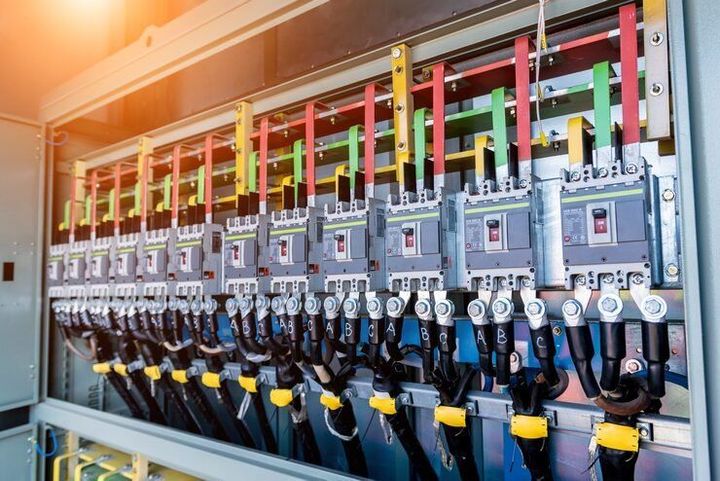
Hydraulic Control Panels Guide: Design, Components, Working Principles, Uses and Features
A hydraulic control panel is an organized enclosure that contains the controls, valves, instruments, and related components used to manage a hydraulic system. Hydraulic systems use pressurized fluid to produce controlled movement or force, and the control panel provides a central point for monitoring and directing that operation.
Hydraulic control panels are commonly associated with industrial machinery, lifting equipment, presses, material-handling systems, construction equipment, production machinery, and other equipment that uses fluid power. Their design depends on the pressure, flow requirements, number of controlled functions, operating environment, and safety requirements of the connected hydraulic system.
The basic idea behind hydraulic control has existed for many years. As machinery became more automated, hydraulic controls developed from manually operated valves into systems that can combine hydraulic, electrical, electronic, and computer-based controls. Modern panels may therefore contain both traditional hydraulic components and electronic monitoring equipment.
Understanding hydraulic control panels is useful because the panel connects the operator or machine controller with the hydraulic circuit. It can help regulate pressure, direct fluid flow, control movement, and provide information about operating conditions.
Importance
Hydraulic control panels matter because hydraulic equipment can generate substantial force while operating through relatively compact components. Controlled movement is therefore important in applications where cylinders, motors, clamps, presses, lifting mechanisms, or other hydraulic actuators are involved.
A properly designed hydraulic control panel can organize several control functions in one location. It may allow an operator or automated controller to adjust pressure, direct fluid toward a particular actuator, monitor system conditions, and stop movement when required by the machine design.
Hydraulic control panels also help address practical challenges such as:
- Managing several hydraulic functions from one control arrangement
- Maintaining appropriate pressure and flow conditions
- Monitoring temperature, pressure, and other operating variables
- Coordinating hydraulic equipment with electrical controls
- Providing clearly identified controls for machine operation
- Supporting safety functions and controlled shutdown procedures
- Making inspection and troubleshooting more systematic
The importance of a panel varies according to the application. A small hydraulic unit may use a relatively simple arrangement, while a production machine with several cylinders and automated sequences may require a more complex panel with sensors, electronic controllers, and multiple valves.
Design Considerations
Hydraulic control panel design begins with understanding the hydraulic circuit. Engineers generally consider required pressure, flow rate, actuator movement, fluid characteristics, operating temperature, available electrical power, environmental conditions, and the sequence of machine operations.
The physical enclosure is also important. Components need suitable spacing, identification, access, and protection from environmental conditions. Electrical and hydraulic parts must be arranged so that their functions can be understood and inspected without unnecessary confusion.
Safety considerations are part of the design process as well. Hydraulic pressure can remain present even when a machine is not actively moving, so appropriate isolation, pressure-relief arrangements, guarding, and shutdown procedures depend on the particular machine and risk assessment.
Recent Updates
Recent developments in hydraulic control systems have increasingly connected traditional fluid-power technology with digital monitoring and automation. Sensors can measure variables such as pressure, temperature, position, and flow, allowing controllers to receive more information about system operation.
Another trend is the use of electrohydraulic controls. In these arrangements, electronic signals can control hydraulic valves, allowing hydraulic movement to be coordinated with programmable logic controllers (PLCs), machine interfaces, and automated production sequences.
Condition monitoring is also becoming more common. Instead of relying only on periodic physical inspection, some systems can continuously collect operating information. Changes in pressure, temperature, vibration, or other measurements can help identify conditions that may require investigation.
Energy efficiency is another area of attention. Hydraulic systems can lose energy through pressure drops, heat generation, leakage, and unnecessary flow. Modern system design can therefore incorporate variable-speed pumps, improved valve control, electronic feedback, and other approaches intended to manage energy use more effectively.
Digital documentation is also becoming more relevant. Panel layouts, wiring diagrams, hydraulic schematics, component identification, and maintenance records can be maintained electronically, helping technicians understand how individual components relate to the complete system.
These developments do not eliminate conventional hydraulic components. Instead, modern hydraulic control panels often combine pumps, valves, filters, gauges, electrical controls, sensors, and digital controllers within one coordinated system.
Common Components
The exact components vary by application, but a hydraulic control panel may contain several of the following:
- Pressure-control valves: Help regulate or limit hydraulic pressure.
- Directional control valves: Direct hydraulic fluid toward different circuits or actuators.
- Flow-control valves: Regulate the rate at which hydraulic fluid moves.
- Pressure gauges: Provide a visual indication of pressure.
- Pressure sensors: Convert pressure measurements into signals for monitoring or control.
- Filters: Help remove unwanted particles from hydraulic fluid.
- Manifolds: Provide organized passages for connecting several hydraulic functions.
- Solenoid valves: Use electrical signals to operate hydraulic valve functions.
- Relays and electrical protection: Help control electrical circuits connected with the hydraulic system.
- PLC or controller: Coordinates automated sequences when electronic control is required.
- Terminal blocks: Provide organized electrical connection points.
- Emergency-stop equipment: Supports machine shutdown arrangements where required by the overall safety design.
Basic Component Functions
| Component | Main Function | Typical Role |
|---|---|---|
| Pressure valve | Controls pressure | Protects and regulates hydraulic circuits |
| Directional valve | Changes fluid direction | Controls actuator movement |
| Flow valve | Controls flow rate | Influences movement speed |
| Pressure gauge | Displays pressure | Visual monitoring |
| Pressure sensor | Measures pressure electronically | Monitoring and automated control |
| Filter | Removes particles | Fluid cleanliness |
| Manifold | Connects hydraulic passages | Organized circuit arrangement |
| Solenoid valve | Uses an electrical signal | Automated hydraulic control |
| PLC | Processes control signals | Machine sequencing |
| Hydraulic hose or tube | Carries fluid | Connects system components |
Laws or Policies
In India, hydraulic control panels and the machinery in which they are installed can be affected by occupational safety requirements, machinery safety standards, electrical requirements, and product-specific regulations. The exact requirements depend on the equipment, industry, location, and application.
The Occupational Safety, Health and Working Conditions Code, 2020 contains provisions concerning workplace safety and the safeguarding of machinery. It addresses matters such as machinery guarding, safe handling of equipment, lifting equipment, and workplace safety arrangements.
The Bureau of Indian Standards (BIS) provides Indian Standards relevant to machinery and safety. For hydraulic systems, IS 10481:2020 corresponds to ISO 4413:2010, which covers general rules and safety requirements for hydraulic fluid power systems and their components.
BIS also provides standards related to machinery safety, electrical equipment of machines, emergency-stop functions, and safety-related control systems. The applicable standard depends on the machine and its intended use.
India has also developed the Machinery and Electrical Equipment Safety framework. The Machinery and Electrical Equipment Safety (Omnibus Technical Regulation) Order introduced requirements covering specified categories of machinery and electrical equipment, with subsequent amendments and regulatory changes. BIS records show that the framework has been updated through later orders.
Not every hydraulic control panel automatically requires a particular BIS certification. BIS explains that certification is generally voluntary unless a product has been brought under compulsory certification through applicable government requirements.
Because requirements can vary by equipment category, manufacturers, machine operators, and engineering teams generally need to identify the standards and regulations applicable to the specific machine rather than applying one rule to every hydraulic installation.
Tools and Resources
Several technical resources can help people understand or document hydraulic control panels.
Hydraulic Schematics
A hydraulic schematic represents the connections between pumps, valves, actuators, filters, reservoirs, and other hydraulic components. It helps readers understand how fluid moves through the system and how different controls interact.
Electrical Drawings
Electrical wiring diagrams show connections between switches, sensors, solenoid valves, PLCs, relays, power supplies, and other electrical components. They are particularly useful when a hydraulic system uses electrohydraulic control.
Pressure and Flow Calculations
Basic hydraulic calculations can help determine relationships between pressure, flow, actuator force, and movement speed. These calculations should use the actual specifications of the equipment rather than generalized assumptions.
BIS Standards Database
The BIS “Know Your Standard” platform allows users to search Indian Standards by standard number or keyword. It also provides information about standards, amendments, notifications, and related documentation.
Hydraulic Design References
ISO and corresponding Indian Standards provide technical references for hydraulic fluid power systems, machine safety, symbols, and related engineering subjects. The applicable document depends on the system and machine category.
Inspection Documentation
Panel documentation can include component lists, hydraulic schematics, electrical diagrams, pressure settings, identification labels, inspection records, and operating instructions. Keeping these materials together can make system understanding and troubleshooting more organized.
FAQs
What is a hydraulic control panel?
A hydraulic control panel is an organized arrangement of hydraulic and electrical components used to control a hydraulic system. It may regulate pressure and flow, direct fluid to different actuators, monitor operating conditions, and coordinate machine functions.
What are the main components of a hydraulic control panel?
Common hydraulic control panel components include pressure-control valves, directional valves, flow-control valves, pressure gauges, sensors, filters, manifolds, solenoid valves, electrical protection devices, and controllers. The exact arrangement depends on the machine.
How does a hydraulic control panel work?
A hydraulic pump creates fluid flow and pressure within the hydraulic circuit. Valves in the control panel direct and regulate the fluid, while sensors or gauges can provide information about operating conditions. In automated systems, electrical controllers can send signals to hydraulic valves according to programmed sequences.
Why are hydraulic control panel design and safety important?
Hydraulic control panel design determines how pressure, flow, movement, monitoring, and shutdown functions are organized. Safety considerations are important because hydraulic systems can contain stored energy and operate with high pressure, making appropriate risk assessment and protective measures relevant to the machine.
Where are hydraulic control panels used?
Hydraulic control panels are used in industrial machinery, presses, lifting equipment, construction and earthmoving machinery, material-handling systems, production equipment, and other applications that require controlled hydraulic movement or force.
Conclusion
Hydraulic control panels provide an organized way to manage pressure, fluid flow, machine movement, and monitoring functions within hydraulic systems. Their components can range from conventional valves and gauges to sensors, solenoid controls, PLCs, and other electronic equipment. Recent developments increasingly connect hydraulic technology with automation, digital monitoring, and condition-based information. In India, applicable machinery, workplace safety, hydraulic, and electrical standards depend on the specific equipment and operating environment.