Industrial Components Guide: Essential Parts, Materials, Uses, Features and Selection Factors
Industrial components are individual parts used to build, operate, control, protect, or connect machines and production systems. They can range from simple fasteners and bearings to gears, shafts, valves, sensors, electrical connectors, seals, pumps, and control devices. Together, these parts allow industrial equipment to perform specific mechanical, electrical, hydraulic, pneumatic, and automation functions.
The development of industrial components is closely connected with the growth of manufacturing and mechanical engineering. As factories became more complex, standardized parts were developed to make machines easier to assemble, maintain, inspect, and modify. Today, industrial components are found in manufacturing plants, warehouses, energy facilities, construction equipment, transportation systems, processing plants, and many other industrial environments.
An industrial components guide helps readers understand how different parts work and why their materials, dimensions, operating limits, and design features matter. A component that appears simple may have an important role in transferring motion, supporting loads, controlling pressure, reducing friction, sealing an opening, or connecting electrical systems.
Common Types of Industrial Components
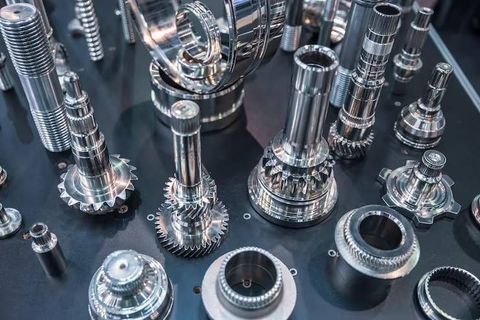
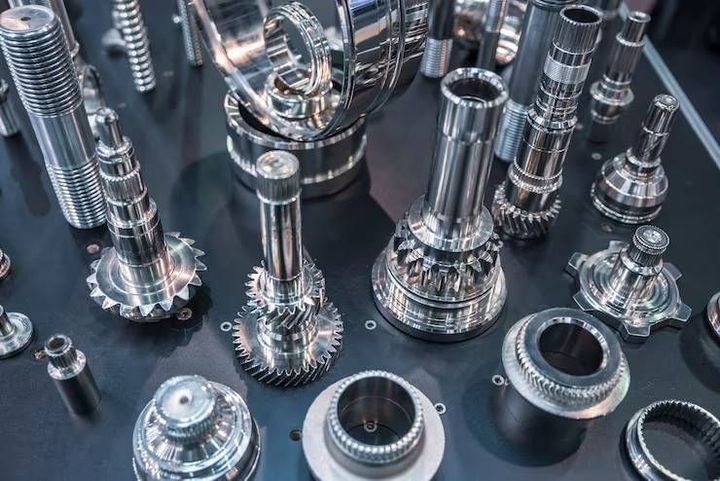
Industrial components can be grouped according to their function. Mechanical components include bearings, gears, shafts, couplings, pulleys, chains, springs, fasteners, and bushings. Fluid-handling components include pumps, valves, pipes, fittings, filters, hoses, and seals.
Electrical and electronic components include switches, connectors, circuit protection devices, relays, sensors, motors, and control units. Automation systems may also use encoders, actuators, programmable controllers, communication devices, and monitoring equipment.
Materials Used in Industrial Components
Material selection depends on the operating environment and the function of the component. Common materials include:
- Steel for shafts, gears, frames, fasteners, and structural parts
- Stainless steel for applications where corrosion resistance is important
- Aluminum for components where low weight and corrosion resistance are useful
- Copper for electrical conductors and certain heat-transfer applications
- Brass for fittings, valves, connectors, and other components
- Engineering plastics for insulation, guides, covers, bushings, and lightweight parts
- Rubber and elastomers for seals, gaskets, vibration isolation, and flexible connections
- Ceramics for selected high-temperature, electrical, or wear-related applications
Material properties such as strength, hardness, thermal resistance, electrical conductivity, chemical resistance, and dimensional stability can affect how a component performs.
Importance
Industrial components matter because they form the working structure of larger machines and systems. A manufacturing line may contain thousands of individual parts, with each component performing a particular function. The condition and compatibility of these parts can influence machine operation, safety, accuracy, energy use, and maintenance requirements.
For general users, understanding industrial components can make technical information easier to interpret. For example, knowing the difference between a bearing and a bushing helps explain how moving parts are supported, while understanding seals and gaskets provides context for preventing unwanted leakage.
Problems Addressed by Components
Different industrial components address different mechanical and operational challenges. Bearings support rotating shafts and reduce friction. Gears transfer motion and change speed or torque. Couplings connect rotating shafts, while springs absorb movement or return mechanisms to a particular position.
Seals and gaskets help separate fluids, gases, dust, or other materials from surrounding areas. Valves regulate fluid movement, while sensors detect conditions such as temperature, pressure, position, vibration, or flow.
Features That Matter
Several characteristics are commonly considered when examining an industrial component. These include dimensions, load capacity, operating temperature, pressure rating, material, surface finish, environmental resistance, expected operating speed, and compatibility with nearby components.
The following table provides a general overview:
| Component | Main Function | Common Materials | Typical Considerations |
|---|---|---|---|
| Bearing | Supports moving or rotating parts | Steel, ceramic, polymers | Load, speed, lubrication |
| Gear | Transfers rotational motion | Steel, cast iron, plastics | Teeth, torque, speed |
| Shaft | Transfers rotational force | Steel, stainless steel | Diameter, strength, alignment |
| Seal | Limits leakage or contamination | Rubber, polymers | Temperature, pressure, fluid |
| Valve | Controls fluid movement | Steel, brass, plastics | Pressure, temperature, media |
| Fastener | Joins components | Steel, stainless steel | Thread, strength, corrosion |
| Sensor | Detects physical conditions | Metals, ceramics, polymers | Accuracy, range, environment |
| Coupling | Connects rotating shafts | Steel, aluminum, elastomers | Alignment, torque, flexibility |
Recent Updates
Industrial components have been influenced by broader developments in automation, energy efficiency, digital monitoring, advanced manufacturing, and electrification during 2024–2026. Many industrial systems are increasingly designed around connected equipment, sensors, automated controls, and condition monitoring.
Digital Monitoring and Smart Components
Sensors are becoming more common in industrial equipment because they can collect information about temperature, vibration, pressure, position, current, and other operating conditions. When connected to control or monitoring systems, this information can help operators understand equipment behavior.
Condition monitoring is also becoming more closely associated with industrial maintenance programs. Instead of relying only on fixed inspection schedules, some systems use sensor information to identify changes in operating conditions.
Automation and Electrification
Industrial automation continues to increase the use of electronic controls, actuators, motors, sensors, encoders, and communication components. Electrification is also influencing component design in areas such as material handling, factory equipment, transportation equipment, and energy systems.
This development has increased attention toward components that can operate reliably with electronic control systems. Mechanical components may also be integrated with sensors or monitoring devices to provide additional operating information.
Energy Efficiency
Energy efficiency remains an important industrial consideration. India's Bureau of Energy Efficiency maintains the Perform, Achieve and Trade framework for designated energy-intensive industries, with requirements involving energy performance, monitoring, and reporting for applicable facilities. The program continues to be updated as part of India's wider energy-efficiency framework.
For industrial components, energy-related considerations can include motor efficiency, friction, pressure losses, heat generation, and the operating characteristics of pumps, compressors, drives, and other equipment.
Laws or Policies
In India, industrial components can be affected by product standards, conformity assessment requirements, workplace safety rules, environmental regulations, and sector-specific requirements. The exact requirements depend on the component, equipment category, application, and location.
BIS Standards and Machinery Requirements
The Bureau of Indian Standards has established conformity assessment arrangements for certain machinery and electrical equipment. The Scheme-X framework includes safety requirements for specified machinery categories, and BIS information identifies standards and guidelines for various equipment and components. Updates to India's Machinery and Electrical Equipment Safety framework have also occurred during 2025 and 2026.
This means that manufacturers, importers, and users may need to check whether a particular component or complete machine falls within a relevant Indian Standard or mandatory regulatory requirement.
Workplace Safety
Industrial components are also connected with workplace safety because machines can involve moving parts, electrical hazards, pressure, heat, noise, and stored energy. India's Ministry of Labour and Employment has published draft central rules associated with the Occupational Safety, Health and Working Conditions Code, alongside other labour codes.
Specific compliance requirements can vary according to the industry, workplace, equipment, and applicable rules. Technical documentation and applicable standards should therefore be reviewed for the particular application.
Energy and Environmental Considerations
Energy-related industrial requirements are also relevant to equipment and components used in energy-intensive operations. BEE's industrial energy-efficiency framework covers designated consumers and includes requirements related to energy managers, reporting, and energy audits under applicable programs.
Environmental requirements may additionally apply to manufacturing processes, waste handling, emissions, chemicals, and industrial operations. The applicable rules depend on the type and location of the facility.
Tools and Resources
Several resources can help readers understand industrial components and their technical characteristics. Product catalogs, engineering drawings, technical datasheets, component standards, maintenance manuals, and manufacturer documentation can provide information about dimensions, materials, operating ranges, and compatibility.
Engineering and Selection Tools
Commonly used tools include:
- Engineering calculators for force, torque, speed, pressure, flow, and power
- Bearing selection charts for load and rotational applications
- Material property databases for comparing strength, hardness, density, and temperature resistance
- Thread and fastener reference charts
- Pipe and fitting dimension tables
- Electrical calculation tools for voltage, current, resistance, and power
- CAD software for component drawings and dimensional checks
- Maintenance checklists for inspection and replacement records
Online standards databases and official government portals can also help users identify applicable requirements. In India, the Bureau of Indian Standards and Bureau of Energy Efficiency provide regulatory and technical information relevant to industrial equipment and energy use.
Selection Factors
When examining an industrial component, several factors normally need to be considered together. The component's dimensions should match the equipment, while its material should be suitable for the surrounding environment.
Other factors include:
- Mechanical load and operating speed
- Temperature and pressure conditions
- Exposure to moisture, chemicals, dust, or vibration
- Required dimensional accuracy
- Electrical characteristics where applicable
- Compatibility with other machine parts
- Installation requirements
- Inspection and maintenance needs
- Relevant technical standards
- Expected operating conditions
A component should be evaluated according to its actual application rather than by appearance alone. Two parts with similar dimensions may have different materials, ratings, tolerances, or operating limits.
FAQs
What are industrial components?
Industrial components are individual parts used in machines, equipment, production systems, electrical systems, and industrial infrastructure. Examples include bearings, gears, shafts, valves, seals, sensors, fasteners, and connectors.
What materials are commonly used for industrial components?
Steel, stainless steel, aluminum, copper, brass, engineering plastics, rubber, and ceramics are commonly used. Material selection depends on factors such as strength, corrosion resistance, temperature, electrical properties, and operating environment.
How are industrial components selected?
Industrial components are generally examined according to dimensions, load, speed, temperature, pressure, material compatibility, environmental conditions, operating requirements, and applicable technical standards.
What are the main features of industrial components?
Important features can include strength, hardness, dimensional accuracy, load capacity, pressure rating, temperature range, corrosion resistance, electrical characteristics, and compatibility with other components.
Why are industrial components important in manufacturing?
Industrial components allow machines and production systems to perform specific mechanical, electrical, fluid-handling, and control functions. Their characteristics can affect machine operation, safety, maintenance, and system performance.
Conclusion
Industrial components include a wide range of mechanical, electrical, fluid-handling, and automation parts used throughout modern industry. Their materials, dimensions, operating conditions, and technical features determine how they interact with larger systems. Recent developments have increased the role of sensors, automation, electrification, and energy-efficiency considerations. In India, applicable BIS standards, workplace rules, energy programs, and sector-specific requirements can also influence the use and manufacture of industrial equipment and components.