Industrial Cybersecurity Units Details: Firewalls, Sensors, Monitoring Systems and Security Functions
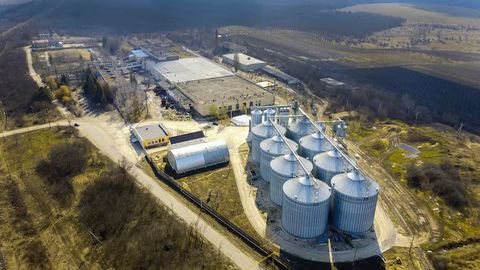
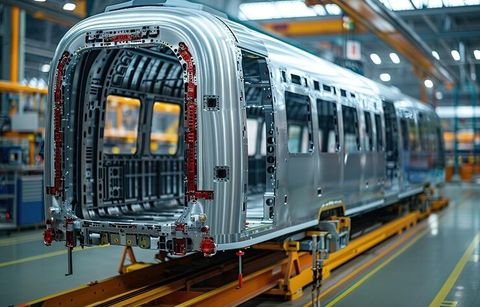
Industrial cybersecurity units are groups of hardware, software, sensors, network controls, and monitoring functions used to protect industrial environments from digital threats. These environments can include factories, power facilities, water systems, transportation infrastructure, warehouses, and other locations where computers and automated equipment control physical processes. Firewalls, industrial sensors, monitoring systems, access controls, and security functions work together to identify unusual activity and help maintain the reliability of connected equipment.
As industrial operations have become more connected, the separation between traditional factory equipment and information technology networks has become less distinct. Industrial control systems can now exchange information with business networks, remote monitoring platforms, engineering computers, and connected devices. This connectivity creates operational benefits but also introduces additional points that need cybersecurity controls.
Context
What Industrial Cybersecurity Means
Industrial cybersecurity refers to the protection of operational technology, industrial control systems, networks, computers, and connected equipment from unauthorized access, malicious software, data manipulation, and other digital risks. Operational technology includes systems that monitor or control physical processes, such as temperature, pressure, movement, electrical output, or production equipment.
A typical industrial environment may contain programmable logic controllers, supervisory control and data acquisition systems, human-machine interfaces, sensors, engineering workstations, network switches, and industrial servers. Each component can have a different function, communication method, and security requirement.
Industrial cybersecurity units are therefore not limited to one device. They form a collection of security functions that can include:
- Firewalls that control network traffic between different areas.
- Sensors that detect physical or digital changes.
- Monitoring systems that collect and analyze activity.
- Access controls that restrict system permissions.
- Logging systems that record important events.
- Backup and recovery mechanisms that help restore operational information.
- Incident response functions that support investigation and containment.
Why Industrial Systems Need Different Controls
Industrial equipment often operates continuously and may remain in use for many years. Replacing or changing a control system can require careful testing because a change to digital equipment may affect a physical process.
Industrial networks can also contain older equipment that was designed before modern cybersecurity threats became common. Some devices may have limited processing capability or may not support newer security functions. This makes network segmentation, monitoring, controlled access, and careful system management important parts of an industrial security structure.
Importance
Protecting Physical Operations
Cybersecurity in an industrial environment is closely connected with physical operations. A digital incident can potentially affect production processes, machinery settings, environmental controls, equipment availability, or the flow of information between systems.
For example, a compromised computer connected to an industrial network could attempt to communicate with controllers or collect sensitive operational information. A monitoring system can help identify unusual communication patterns, while network controls can limit which systems are permitted to communicate with one another.
Protecting Workers and the Public
Industrial cybersecurity can also have a relationship with physical safety. Facilities such as manufacturing plants, energy infrastructure, transportation systems, and water facilities may use computerized controls for processes that have physical consequences.
Cybersecurity does not replace physical safety procedures, engineering safeguards, or operational controls. Instead, it forms another layer within a broader protection framework.
Supporting Visibility
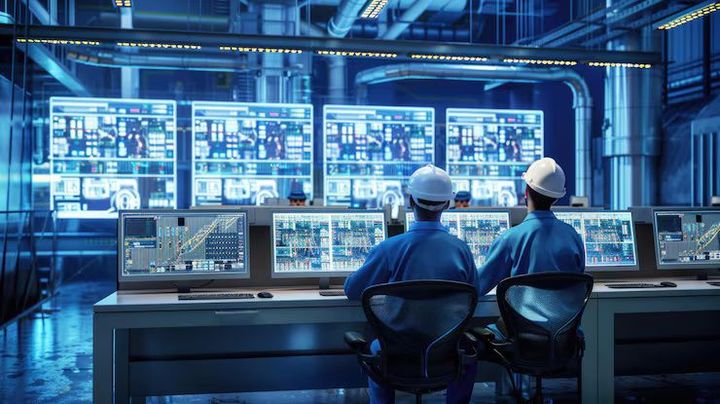
One challenge in industrial environments is knowing what devices are connected and what activity is occurring across the network. Monitoring systems can create a clearer picture by collecting information from network devices, controllers, servers, and security equipment.
Common information collected by monitoring systems includes:
| Security Area | Example Information | Main Purpose |
|---|---|---|
| Network monitoring | Connections, protocols, traffic patterns | Identify unusual communication |
| Device monitoring | Device status and configuration changes | Track equipment activity |
| Firewall monitoring | Allowed and blocked connections | Review network access |
| Sensor monitoring | Temperature, pressure, movement | Observe physical conditions |
| Access monitoring | Login and permission events | Identify unusual access |
| Log monitoring | System and security events | Support investigation |
Recent Updates
Greater Attention to Industrial and Connected Infrastructure
From 2024 through 2026, cybersecurity guidance in India has increasingly addressed connected infrastructure, security controls, software components, audits, and emerging technologies. CERT-In published guidelines covering secure application development in 2024 and technical guidance related to software and hardware component inventories later that year.
CERT-In also published cybersecurity guidance for smart city infrastructure in 2025. Smart infrastructure can contain connected sensors, communication networks, control systems, and data platforms, making cybersecurity relevant across several layers of an urban environment.
More Structured Security Controls
Recent guidance has also placed greater attention on defined security responsibilities, access controls, authentication, incident response, data protection, and regular security reviews. CERT-In's 2025 elemental cyber defense controls include governance, access control, password practices, and multi-factor authentication for critical systems and remote access.
AI and Automated Threats
Artificial intelligence is becoming part of both cybersecurity tools and the threat environment. During 2026, CERT-In published guidance addressing AI-assisted vulnerability exploitation and AI-accelerated vulnerability protection and response for technology providers and original equipment manufacturers.
For industrial environments, this trend increases interest in automated detection, continuous monitoring, vulnerability assessment, and faster analysis of large volumes of security information. Human review remains important because automated alerts can require operational context before a response is taken.
Laws or Policies
Information Technology Act and CERT-In Directions
In India, cybersecurity activities are influenced by the Information Technology Act, 2000 and directions issued by the Indian Computer Emergency Response Team, commonly known as CERT-In. CERT-In's directions under Section 70B address information security practices, cyber incident prevention and response, and incident reporting.
Organizations operating digital infrastructure may therefore need processes for recording relevant security events, handling incidents, and meeting applicable reporting requirements. The exact obligations can depend on the type of organization, infrastructure, and incident involved.
Critical Information Infrastructure
Certain systems are treated as critical information infrastructure when disruption or destruction could have a significant impact on national security, the economy, public health, or safety. The National Critical Information Infrastructure Protection Centre is associated with protection activities for such infrastructure.
Industrial environments that fall within critical infrastructure categories may have additional security expectations and controls. Requirements should be assessed according to the organization's sector and applicable government directions.
Digital Personal Data Protection Framework
The Digital Personal Data Protection Act, 2023 and the Digital Personal Data Protection Rules, 2025 form part of India's developing framework for handling digital personal data. The 2025 Rules were notified by the Ministry of Electronics and Information Technology, with provisions coming into force through a phased timeline.
Industrial facilities may process personal information relating to workers, visitors, contractors, customers, or other individuals. Where such information falls within the applicable framework, cybersecurity controls can be relevant to protecting that data.
Tools and Resources
Firewalls
An industrial firewall controls network traffic according to defined rules. In an industrial environment, firewalls may be positioned between corporate networks, operational technology networks, remote access zones, and individual industrial segments.
A firewall can help reduce unnecessary communication between network areas. Its effectiveness depends on appropriate configuration, monitoring, maintenance, and the surrounding security architecture.
Sensors and Detection Systems
Industrial sensors can monitor physical conditions such as temperature, pressure, vibration, flow, or electrical characteristics. Cybersecurity monitoring systems can also observe network behavior, device communications, login events, and configuration changes.
Combining physical and digital information can provide additional context when an unusual event occurs. For example, a network alert combined with an unexpected equipment-state change may require closer examination.
Monitoring Platforms
Security information and event management platforms, network monitoring systems, intrusion detection technologies, and industrial asset monitoring tools can collect information from multiple sources.
Useful monitoring functions can include:
- Device discovery and asset inventories.
- Network traffic analysis.
- Authentication and access monitoring.
- Configuration-change tracking.
- Security event logging.
- Alert generation.
- Incident investigation.
- Historical event analysis.
Security Frameworks and Guidance
Organizations can consult established cybersecurity frameworks and industrial security standards when designing security programs. Examples include the NIST Cybersecurity Framework, IEC 62443 for industrial automation and control-system security, and MITRE ATT&CK for Industrial Control Systems.
For Indian organizations, CERT-In publications are another relevant source of cybersecurity guidance. CERT-In maintains a collection of security guidelines and directions covering several areas of information security.
FAQs
What are industrial cybersecurity units?
Industrial cybersecurity units are combinations of hardware, software, monitoring functions, and security controls used to protect industrial networks, equipment, operational technology, and connected systems.
How do firewalls help industrial cybersecurity?
Industrial firewalls control communication between network areas. They can restrict unauthorized connections and create boundaries between corporate systems, operational technology networks, remote access areas, and other segments.
What role do sensors play in industrial cybersecurity?
Sensors can provide information about physical conditions and equipment behavior. When combined with cybersecurity monitoring, sensor information can help provide context for unusual events involving industrial systems.
Why are monitoring systems important in industrial cybersecurity?
Monitoring systems collect information about network traffic, devices, access activity, configuration changes, and security events. This information can help organizations identify unusual activity and investigate incidents.
Does Indian law apply to industrial cybersecurity?
Indian cybersecurity requirements can involve the Information Technology Act, CERT-In directions, critical information infrastructure requirements, and other applicable laws or policies. The specific requirements depend on the organization, sector, infrastructure, and type of information being handled.
Conclusion
Industrial cybersecurity combines firewalls, sensors, monitoring systems, access controls, logging, and other security functions to protect connected industrial environments. Its importance has increased as factories and infrastructure have become more connected to digital networks. India has continued to develop cybersecurity guidance covering incident response, audits, connected infrastructure, software components, and emerging technology risks. The appropriate controls depend on the industrial environment, equipment, network architecture, applicable regulations, and operational requirements.