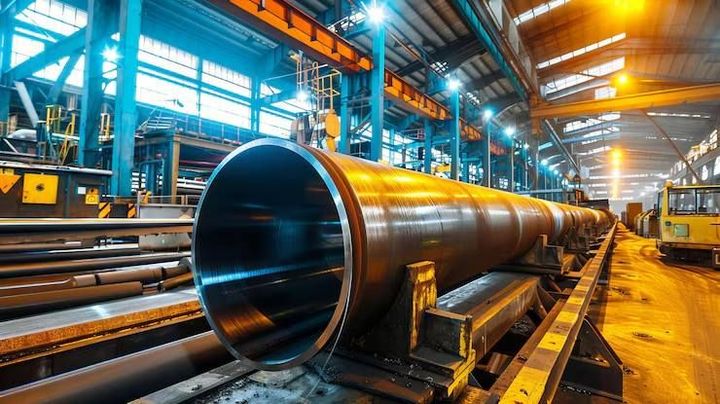
Pipe Extrusion Machines Explained: Types, Components, Applications, Benefits and Selection Factors
Pipe extrusion machines are industrial systems used to manufacture continuous plastic pipes with a consistent shape and diameter. A pipe extrusion machine melts plastic material, pushes it through a specially shaped opening, and cools the emerging pipe until it becomes firm. These machines are widely used to produce pipes for water distribution, drainage, irrigation, electrical cable protection, gas distribution, and industrial fluid handling.
Context
Pipe extrusion machines are industrial systems used to manufacture continuous plastic pipes with a consistent shape and diameter. A pipe extrusion machine melts plastic material, pushes it through a specially shaped opening, and cools the emerging pipe until it becomes firm. These machines are widely used to produce pipes for water distribution, drainage, irrigation, electrical cable protection, gas distribution, and industrial fluid handling.
Pipe manufacturing developed alongside advances in polymer science and industrial processing. As materials such as polyvinyl chloride (PVC), polyethylene (PE), and polypropylene (PP) became widely used, extrusion technology provided a practical way to produce long sections of pipe with controlled dimensions. Modern systems combine mechanical equipment, temperature controls, cooling units, and automated cutting or winding arrangements.
How Pipe Extrusion Machines Work
The process begins with plastic pellets or granules placed in a hopper. The material enters a heated barrel containing a rotating screw, which moves, mixes, compresses, and melts the plastic before forcing it through a die.
The die shapes the melted material into a hollow tube. The pipe then passes through sizing and cooling equipment, followed by a pulling unit that maintains steady movement. Depending on the product, the line finishes by cutting the pipe into measured lengths or winding flexible tubing into coils.
Common Pipe Materials
Different polymers are selected according to the pipe's intended application and operating conditions.
PVC: Commonly used for drainage, water distribution, and electrical conduit applications, depending on the formulation and applicable standards.
HDPE: High-density polyethylene is used in water distribution, drainage, irrigation, and certain gas distribution systems designed for the relevant requirements.
PP: Polypropylene pipes are used in selected plumbing, industrial, and chemical-handling applications.
LDPE: Low-density polyethylene is used in flexible tubing and some irrigation products.
Multilayer polymers: Multiple material layers may be combined to provide particular barrier, structural, or functional properties.
Material selection affects processing temperatures, flexibility, pressure performance, chemical compatibility, and the final pipe's intended use.
Importance
Pipe extrusion machines support the production of infrastructure materials used in homes, farms, commercial buildings, factories, and public utilities. Water networks require pipes with suitable dimensions and pressure characteristics, while drainage systems need products that can handle expected flow and installation conditions. Electrical installations also use plastic conduits to protect cables from physical contact and environmental exposure.
Manufacturers must maintain consistent wall thickness, diameter, surface quality, and material composition. Poor process control can produce uneven walls, deformation, rough surfaces, or dimensional variations that interfere with installation and performance.
Main Components of a Pipe Extrusion Line
A complete extrusion line contains several connected units, each performing a particular task.
Hopper: Holds plastic pellets and feeds them into the machine.
Extruder screw and barrel: Transport, melt, mix, and pressurize the material.
Heating and control system: Maintains processing temperatures across different barrel zones.
Pipe die: Forms the melted polymer into a hollow pipe shape.
Sizing unit: Helps establish the pipe's outer dimensions and roundness.
Cooling tank: Removes heat so the pipe can retain its shape.
Haul-off unit: Pulls the pipe through the line at a controlled speed.
Cutting or winding equipment: Produces specified lengths or coils.
Control panel: Monitors operating settings, alarms, and production conditions.
The components must operate together. For example, an unsuitable pulling speed can affect wall thickness, while inadequate cooling can lead to deformation before the pipe becomes sufficiently rigid.
Types of Pipe Extrusion Machines
Different extrusion systems are designed for different materials, dimensions, production requirements, and pipe structures.
| Machine type | Typical application | Main consideration |
|---|---|---|
| PVC pipe extrusion line | Drainage, conduit, and selected water pipes | Material formulation and temperature control |
| HDPE pipe extrusion line | Water, irrigation, and selected gas networks | Diameter range and pressure requirements |
| PP pipe extrusion line | Plumbing and industrial piping | Material properties and application standards |
| Multilayer pipe extrusion line | Pipes with multiple functional layers | Layer thickness and material compatibility |
| Corrugated pipe extrusion line | Drainage and cable protection | Corrugation shape and structural requirements |
| Small-diameter tubing line | Flexible tubing and narrow pipes | Dimensional accuracy and winding control |
Some systems use a single extruder, while multilayer lines may use two or more extruders to feed different materials into a combined die. Corrugated pipe machines use specialized forming equipment to create alternating ridges and grooves.
Applications Across Industries
Pipe extrusion equipment is used in several sectors. In construction, it produces plumbing pipes, drainage systems, and electrical conduits. Agriculture uses plastic pipes for irrigation and water movement, while municipal infrastructure uses suitable pipe products in water and wastewater networks.
Industrial facilities may use polymer pipes for chemical transfer, process water, ventilation, or protective conduits. The appropriate material depends on temperature, pressure, chemical exposure, and the governing technical specifications. Not every plastic pipe is suitable for drinking water, gas distribution, or high-pressure industrial use.
Recent Updates
Pipe extrusion technology continues to develop through improvements in automation, process monitoring, material efficiency, and production control. Across 2024–2026, wider industrial interest in connected equipment and resource efficiency has supported ongoing development in these areas, although adoption differs between manufacturers and production facilities.
Automation and Digital Monitoring
Modern extrusion lines may use programmable logic controllers, touchscreen interfaces, temperature sensors, and automated speed controls. These systems help operators monitor production conditions and adjust settings when measurements move outside established limits.
Some facilities also use digital monitoring systems to record operating data, track interruptions, and identify recurring production problems. Automated inspection equipment can measure pipe dimensions or detect certain surface defects, depending on the system's capabilities. These technologies can support quality control but still require suitable calibration, maintenance, and operator oversight.
Energy Efficiency and Recycled Materials
Extrusion equipment manufacturers continue to develop heating controls, drive systems, and insulation arrangements intended to manage energy use. Actual energy consumption depends on polymer type, pipe dimensions, output rate, cooling requirements, and operating conditions.
Recycled polymers are also used in some pipe applications where material properties, product specifications, and regulations permit them. Their suitability depends on material consistency, contamination control, traceability, and the pipe's intended purpose. Applications involving drinking water or gas distribution may have specific restrictions on recycled content and approved materials.
Laws or Policies
Pipe extrusion machines and the pipes they produce may be affected by machinery safety rules, electrical requirements, environmental regulations, and product standards. The applicable requirements depend on the manufacturing location, equipment design, pipe material, and intended application.
Machinery Safety and Manufacturing Requirements in India
In India, industrial equipment may be subject to applicable factory safety requirements, electrical safety provisions, environmental rules, and state-specific regulatory requirements. The Occupational Safety, Health and Working Conditions Code, 2020, and related implementation arrangements form part of India's evolving workplace safety framework. Applicable obligations depend on the provisions in force and the type of establishment.
Manufacturing facilities should consider safeguards around rotating screws, hot barrels, cutting equipment, moving haul-off units, and electrical panels. Appropriate guarding, emergency stops, maintenance procedures, operator training, and personal protective equipment help address common industrial hazards.
Pipe Standards and Environmental Considerations
The Bureau of Indian Standards (BIS) publishes standards covering various plastic pipes, including requirements related to dimensions, materials, testing, and intended applications. Relevant Indian Standards depend on the pipe type and use. Manufacturers should verify whether a particular standard or certification requirement applies to their product.
Environmental requirements may also cover plastic waste handling, emissions, industrial wastewater, and the use of recycled materials. India's Plastic Waste Management Rules, as amended, establish requirements for specified activities involving plastic waste. The precise obligations depend on the business activity and applicable rules.
For international production or exports, manufacturers may also need to consider destination-specific product standards, conformity assessments, and documentation. Compliance with machinery requirements alone does not establish that the finished pipe is suitable for every application.
Tools and Resources
Technical resources help manufacturers understand machine specifications, estimate production requirements, and assess product quality. The information used should match the polymer, pipe dimensions, operating conditions, and applicable standards.
Machine Selection and Production Calculations
Manufacturers can compare extrusion lines by reviewing the following specifications:
Output capacity: Material processed per hour under stated operating conditions.
Pipe diameter range: The minimum and maximum dimensions supported by the line.
Wall thickness range: The pipe sizes and pressure classes the system can produce.
Screw design: Configuration suited to the selected polymer and production process.
Cooling capacity: The ability to remove heat at the required line speed.
Automation level: Available controls, monitoring, and inspection features.
Energy requirements: Electrical load, heating requirements, and auxiliary equipment consumption.
Production planning may also use a basic output estimate. If a line produces 100 kilograms of material per hour and operates for eight hours at that output, theoretical production is 800 kilograms. Actual output may be lower because of startup periods, changeovers, maintenance, rejected material, and operating interruptions.
Technical Websites and Quality Tools
The Bureau of Indian Standards website provides information about Indian Standards and related certification frameworks. The International Organization for Standardization (ISO) publishes international standards covering quality management and various technical subjects. These resources can help identify relevant requirements, although the applicable standard must be selected for the specific pipe and market.
Manufacturers may also use wall-thickness gauges, diameter measurement tools, pressure-testing equipment, melt-flow testing instruments, and production logs. Testing procedures should follow the relevant product specification rather than relying on a single measurement to establish overall pipe quality.
FAQs
What is a pipe extrusion machine used for?
A pipe extrusion machine melts plastic and shapes it into continuous hollow pipes. These pipes may be used in water distribution, drainage, irrigation, electrical conduit, and industrial applications.
What are the main types of pipe extrusion machines?
Common types include PVC, HDPE, PP, multilayer, corrugated pipe, and small-diameter tubing extrusion lines. Each type is designed for particular materials, dimensions, and production requirements.
How does a plastic pipe extrusion machine work?
Plastic pellets enter a heated barrel, where a rotating screw melts and moves the material through a die. Sizing, cooling, pulling, and cutting or winding equipment then complete the production process.
What factors matter when selecting a pipe extrusion machine?
Important factors include polymer type, pipe diameter, wall thickness, output capacity, cooling requirements, automation, energy use, maintenance needs, and applicable product standards.
Can pipe extrusion machines process recycled plastic?
Some machines can process suitable recycled polymers, but material quality and product requirements determine whether they are appropriate. Pipes intended for regulated applications may have specific restrictions on recycled content.
Conclusion
Pipe extrusion machines transform polymer materials into pipes used across construction, agriculture, utilities, and industrial operations. Their performance depends on coordinated components, suitable material selection, controlled processing conditions, and appropriate quality testing. Automation and resource-efficiency measures continue to influence equipment development, while safety and product standards shape manufacturing practices. Machine specifications and pipe requirements must be considered together to understand whether a production line suits a particular application.