Popcorn Making Machines Learn: Working Principles, Components, Controls, Uses and Maintenance
Popcorn is made by heating dried corn kernels until the moisture inside each kernel turns into steam. As pressure builds, the kernel expands and eventually opens, creating the familiar light and fluffy popcorn. Popcorn making machines were developed to make this heating and popping process more controlled, consistent, and practical for repeated food preparation.
Modern popcorn making machines are used in cinemas, entertainment venues, snack counters, event spaces, food stalls, cafeterias, and other locations where popcorn is prepared in batches. Although the machines can vary in size and design, most follow the same basic principle: controlled heat is applied to kernels in a heated chamber or kettle until the kernels pop.
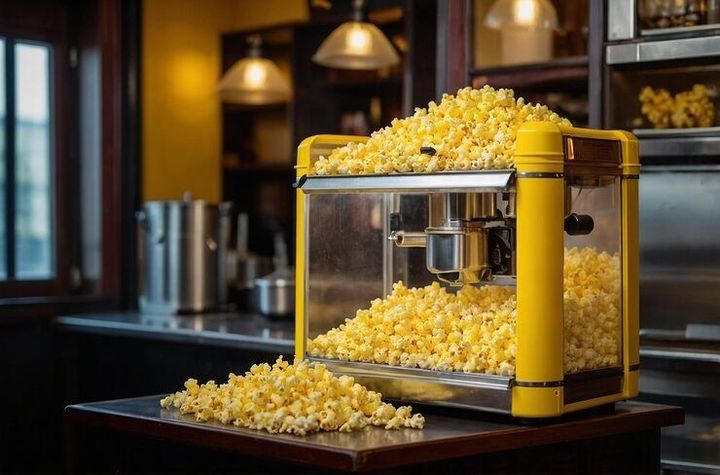
A typical popcorn machine combines a heating system, popping kettle, stirring mechanism, temperature controls, electrical components, and a display or enclosure. Understanding these components helps users understand how the equipment operates and why routine maintenance is important.
How popcorn machines developed
Traditional popcorn preparation relied on pots, pans, or other cooking vessels placed over a heat source. Dedicated popcorn equipment introduced features such as heated kettles, transparent cabinets, thermostatic controls, and mechanical stirring.
The development of electric heating and improved temperature controls made popcorn preparation easier to manage in indoor commercial environments. Current designs can range from compact countertop units to larger machines intended for continuous batch preparation.
Importance
Popcorn making machines matter because they provide a structured way to heat kernels and manage the popping process. Without suitable temperature control, kernels may remain unpopped, burn, or pop unevenly. Excessive heat can also affect the flavor and appearance of the finished food.
For operators, understanding the machine's working principles can help with daily operation, cleaning, inspection, and troubleshooting. For consumers, knowledge of the equipment provides a clearer understanding of how popcorn is prepared in cinemas, entertainment venues, and food locations.
Why temperature control matters
Temperature is one of the central factors in popcorn preparation. A kernel contains a small amount of moisture. When heated, that moisture changes into steam and increases internal pressure. Once the pressure becomes sufficient, the kernel structure breaks open and the interior expands.
A popcorn machine therefore needs a heating system that can raise the kettle temperature while allowing the operator to monitor and control heat. Thermostats, temperature sensors, switches, and control panels may be used for this purpose.
Main advantages of controlled equipment
A dedicated machine can provide several practical functions:
- A defined heating chamber for the kernels
- Controlled heating through electrical or other heating elements
- Mechanical agitation in some kettle designs
- A cabinet that helps retain heat and display the popcorn
- Separate controls for heating, stirring, and lighting on some models
- A designated area for collecting finished popcorn
These functions help organize the preparation process and reduce the need for repeated manual handling.
Working Principles
The working principle of popcorn making machines is based on heat transfer, moisture expansion, pressure, and kernel rupture. The process begins when kernels are placed into a heated kettle or cooking chamber.
Heating the kernels
The machine's heating element transfers thermal energy to the kettle. The kettle then transfers heat to the popcorn kernels and any cooking ingredients used according to the equipment instructions.
As the kernels become hotter, the moisture inside them turns into steam. Pressure gradually increases inside the hard outer shell.
Popping process
When internal pressure reaches a sufficient level, the kernel's outer structure breaks open. The heated interior rapidly expands, producing the familiar popped shape.
A stirring mechanism may move kernels around the kettle. This helps distribute heat and can reduce prolonged contact between individual kernels and one hot area of the cooking surface.
Holding and display
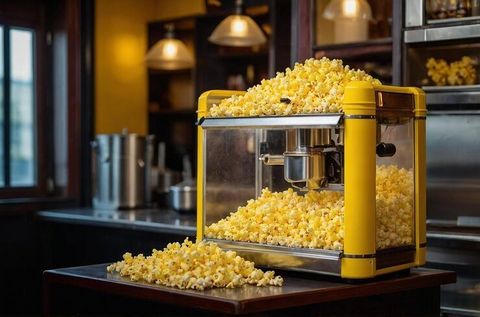
After popping, the finished popcorn is commonly transferred into the machine's lower cabinet or holding area. Many machines use transparent panels so the contents remain visible.
Some designs include a warming function to help maintain the temperature of the prepared popcorn for a period of time. The exact temperature and holding procedure depend on the machine design and food-handling requirements.
Components
Popcorn machines contain several components that work together. Their arrangement differs between models, but common parts include the following.
Popping kettle
The kettle is the primary cooking chamber. It is designed to receive kernels and withstand repeated heating cycles. Some kettles are fixed in place, while others can tilt or rotate for easier emptying.
Heating element
The heating element produces the heat required for popping. Electrical machines commonly use resistance heating elements positioned beneath or around the kettle.
Stirring mechanism
Some machines contain an agitator or stirring system connected to a small motor. Its purpose is to move kernels and ingredients during the heating process.
Temperature control
A thermostat, sensor, or electronic controller monitors temperature. Depending on the design, the operator may be able to adjust or select a temperature range.
Control panel
Controls can include separate switches or buttons for heating, stirring, lighting, and other functions. More advanced equipment may use digital displays or electronic controllers.
Cabinet and glass panels
The cabinet houses the kettle and finished popcorn. Transparent panels provide visibility while helping separate the food from the surrounding environment.
Electrical components
Electrical machines may contain wiring, switches, connectors, fuses, motors, thermostats, and other components. These parts require appropriate inspection and handling according to the manufacturer's instructions.
Controls
Controls determine how the machine operates during heating and popping. Simple machines may have individual switches, while more advanced models can include digital temperature displays.
Common control functions
| Control | Main purpose | Typical function |
|---|---|---|
| Heat | Provides cooking heat | Activates heating system |
| Stir | Moves kernels | Runs kettle agitator |
| Light | Illuminates cabinet | Improves visibility |
| Temperature | Regulates heat | Maintains selected range |
| Main power | Controls electrical supply | Turns equipment on or off |
Operators should understand each control before using the machine. Incorrect operation can lead to overheating, uneven popping, or unnecessary wear on components.
Uses
Popcorn making machines are used in a range of environments where popcorn is prepared for customers, visitors, or groups.
Entertainment venues
Cinemas and entertainment centers commonly use popcorn equipment because popcorn can be prepared in repeated batches during periods of higher activity.
Events and public spaces
Machines may also be used at fairs, festivals, sports venues, community gatherings, and other public events where snack preparation is part of the food setup.
Cafeterias and snack areas
Schools, offices, recreational facilities, and hospitality environments may use smaller machines when popcorn is included in their food preparation activities.
Mobile and compact setups
Compact popcorn machines can be used where available space is limited. Their suitability depends on electrical requirements, ventilation, food-handling arrangements, and the manufacturer's operating specifications.
Recent Updates
From 2024 through 2026, the general direction of food equipment has been toward improved temperature monitoring, easier controls, more accessible cleaning arrangements, and greater attention to electrical safety. Digital temperature displays and electronic control systems are increasingly seen in equipment designed for repeated food preparation.
Another noticeable trend is the use of compact equipment for smaller venues. Countertop and reduced-footprint designs can fit into locations where large commercial machines are impractical.
Food equipment is also increasingly considered as part of a wider hygiene-management system. Operators are paying more attention to cleaning routines, food-contact surfaces, documented procedures, and equipment inspection rather than treating machine operation separately from food safety.
In India, electrical appliance requirements have also been updated through newer standards and quality-control measures. The Bureau of Indian Standards lists IS 302 (Part 1):2024 for general safety requirements for household and similar electrical appliances, with related quality-control orders continuing to develop through 2026.
Laws or Policies
In India, popcorn preparation as part of a food business is subject to food-safety requirements administered by the Food Safety and Standards Authority of India (FSSAI). Food Business Operators generally need the appropriate registration or license under the applicable framework.
The exact requirement depends on factors such as the type of food activity, premises, scale, turnover, and location. The FoSCoS system is used for food-business licensing and registration processes.
Food businesses must also follow applicable hygiene requirements. FSSAI guidance refers to Food Safety Management Systems, Good Manufacturing Practices, Good Hygiene Practices, and the relevant provisions of Schedule 4 of the food licensing and registration regulations.
Electrical safety is another consideration. Depending on the equipment category and applicable requirements, relevant Indian Standards and quality-control orders may apply. Operators should check the current requirements applicable to the particular machine rather than assuming that every popcorn machine follows the same certification route.
Local authorities may also have additional requirements relating to premises, electrical installations