Road Marking Machines Guide: Working Principles, Types, Uses, Features and Maintenance Needs
Road marking machines are specialized equipment used to place visible lines, symbols, and other markings on paved surfaces. They support lane separation, pedestrian crossings, edge lines, arrows, parking layouts, and other traffic guidance. A road marking machine can apply materials such as water-based paint, solvent-based paint, or thermoplastic compounds, depending on the road design and project requirements.
Context
What Road Marking Machines Do
Road markings developed as roads became busier and traffic needed clearer visual guidance. A center line can separate opposing traffic, while lane lines help drivers understand road-space organization. Crosswalks, stop lines, arrows, and edge markings communicate additional information without relying only on signs.
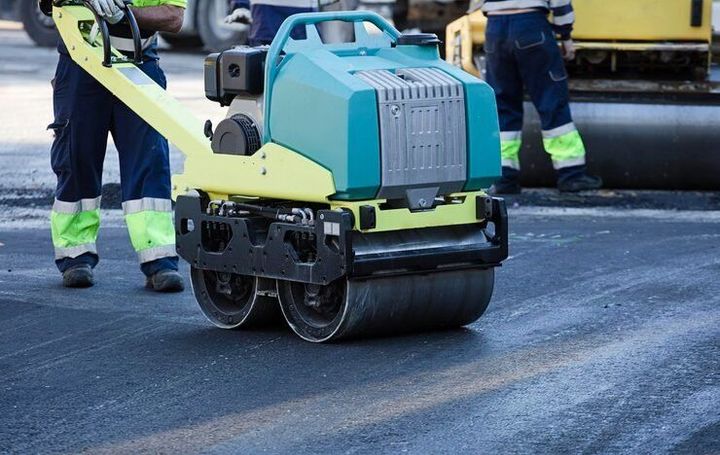
Road marking machines combine a material container, pump or heating system, application head, control mechanism, and movement system. Some are pushed by an operator, while others are self-propelled or mounted on larger vehicles.
Main Parts
A typical machine may include a material tank, pump or heating system, application head, pressure controls, spray tips or nozzles, glass-bead dispenser, wheels, and a guide or control handle. Larger equipment can include multiple application heads so that several lines or patterns can be produced during one pass.
The working principle depends on the material. Paint-based machines usually use pressure to move liquid material from a tank to a spray gun or nozzle. Thermoplastic road marking equipment heats a solid compound until it becomes suitable for application, then places it on the pavement through an extrusion or spray system.
Importance
Road Safety and Traffic Guidance
Clear markings help road users understand where vehicles, bicycles, pedestrians, and other road users should move. They are especially important at intersections, curves, crossings, merging areas, parking areas, and locations where road geometry may not be immediately obvious.
Road markings also support nighttime visibility when reflective elements are incorporated. Indian highway specifications have provisions for thermoplastic markings and glass reflectorizing beads on relevant road projects.
Where They Are Used
Road marking machines are used for center lines, lane separation lines, edge lines, zebra crossings, stop lines, directional arrows, parking layouts, airport pavement markings, industrial areas, and traffic-control markings.
The required machine depends on pavement condition, marking material, line width, pattern, working area, and project specifications.
Types of Road Marking Machines
Cold Paint Machines
Cold paint road marking machines apply liquid paint without heating it to a thermoplastic state. They are commonly configured for spray application and can be suitable for roads, parking areas, and other paved surfaces.
Thermoplastic Road Marking Machines
Thermoplastic machines heat marking material before application. The material can be applied through extrusion or spray methods, and glass beads may be introduced to provide retroreflective properties. Temperature control is important because the material must remain within the operating range specified for the compound.
Airless Road Marking Machines
Airless systems use high pressure to atomize liquid paint without relying on compressed air for the main spraying action. They are used where controlled spray application is required.
Self-Propelled Machines
Self-propelled road marking machines have an integrated drive system. They are useful where long markings or repeated patterns require consistent movement over larger areas.
Ride-On and Truck-Mounted Systems
Ride-on machines allow the operator to work from the equipment itself. Truck-mounted systems can carry larger material quantities and multiple marking components for extensive highway work.
Working Principles
Surface Preparation
Before application, the pavement should be clean and dry according to the material and project specification. Dust, loose particles, oil, standing water, and other contaminants can interfere with adhesion and line appearance.
Material Application
The machine moves at a controlled speed while the application system releases marking material. Line width is influenced by the nozzle, spray pressure, application head, and machine movement. For thermoplastic systems, material temperature and delivery rate also affect the finished marking.
Reflective Bead Application
Some road marking systems apply glass beads while the marking material is still suitable for bead retention. These beads can improve retroreflection, helping headlights illuminate the marking at night. Their use and application requirements depend on the relevant road specification.
Basic Operating Sequence
A typical sequence includes:
- Inspecting and cleaning the pavement
- Setting the line width and application controls
- Preparing paint or thermoplastic material
- Testing the marking pattern on a suitable area
- Applying the line at a controlled speed
- Checking width, continuity, alignment, and appearance
- Allowing the marking to reach the required condition before traffic use
Features to Understand
Different road marking machines have different operating features. Useful specifications to understand include tank capacity, heating capacity, spray pressure range, number of guns, line-width adjustment, bead dispenser arrangement, operating speed, and control method.
| Feature | What it indicates | Why it matters |
|---|---|---|
| Tank capacity | Amount of material carried | Affects how often material must be replenished |
| Line-width control | Available marking widths | Supports different road layouts |
| Spray pressure | Pressure available for liquid application | Influences spray pattern and line formation |
| Heating system | Heating capability for thermoplastic material | Supports controlled material application |
| Bead dispenser | Method of applying reflective beads | Helps meet reflective-marking requirements |
| Drive system | Manual or powered movement | Affects operator control and working speed |
Maintenance Needs
Cleaning and Inspection
Regular cleaning helps prevent hardened paint or thermoplastic residue from blocking nozzles, hoses, guns, and application heads. After operation, material remaining in components should be handled according to the instructions for the specific equipment and marking material.
Checking Wear Parts
Nozzles, filters, seals, hoses, wheels, and other working parts can wear through repeated use. Inspection can identify damaged or blocked components before they affect line consistency.
Heating System Checks
Thermoplastic equipment requires attention to heaters, temperature controls, material passages, and insulation. Incorrect temperature control can affect material flow and application behavior.
Storage
Machines should be kept in a clean, dry location appropriate for their construction and operating instructions. Paint containers, hoses, and other components should be stored in ways that reduce contamination, leakage, and material hardening.
Recent Updates
From 2024 through 2026, road-marking practice in India has continued to sit within broader changes in highway design, pavement management, traffic guidance, and road-safety technology. The Indian Roads Congress has continued publishing and revising highway-related codes, while its current catalogue still lists IRC:35-2015 as the Code of Practice for Road Markings.
The wider road sector has also seen updated IRC publications covering pavement technology, bridge infrastructure, traffic systems, and road management. These developments show continued attention to systematic road design, monitoring, and traffic management.
Laws or Policies
Indian Road-Marking Framework
In India, road markings on national highways and other public roads are shaped by technical specifications, road authority requirements, and applicable traffic rules. IRC:35 is a key reference for road markings, while MoRTH specifications include provisions covering traffic signs, markings, and related road components. The IRC catalogue identifies IRC:35-2015 as the second revision of the Code of Practice for Road Markings.
MoRTH documents also refer to IRC:35 and Clause 800 of the specifications for road markings and related highway guidance. A 2024 MoRTH amendment concerning expressways and national highways states that relevant signage and road guidance should follow applicable IRC codes and MoRTH specifications.
Requirements can differ according to road authority, road class, project documents, and marking material. For an actual project, the applicable contract specification and current authority documents should be checked rather than relying only on general machine information.
Tools and Resources
Several resources can help readers understand road marking equipment and its application. The Indian Roads Congress publishes codes, guidelines, manuals, and catalogues relevant to road engineering. Its publications catalogue can be used to identify documents such as IRC:35.
The Ministry of Road Transport and Highways provides technical circulars, specifications, notifications, and highway-related documents. Its road-sign and marking material includes references to thermoplastic road marking material and other marking-related guidance.
Other practical tools include pavement measuring tapes, line-width gauges, temperature measuring instruments for thermoplastic systems, cleaning equipment, marking templates, and machine manuals. These tools help operators check dimensions, material conditions, and equipment settings during routine work.
FAQs
What is a road marking machine?
A road marking machine is equipment designed to apply lines, symbols, and other markings to paved surfaces. Depending on the model, it may use paint, thermoplastic material, spray application, or extrusion.
How does a thermoplastic road marking machine work?
A thermoplastic road marking machine heats solid marking material until it reaches the application condition specified for that material. The heated compound is then applied through a spray or extrusion system, with reflective glass beads added when required.
What are the main types of road marking machines?
Common types include cold paint machines, thermoplastic road marking machines, airless spray machines, self-propelled units, ride-on equipment, and truck-mounted systems. The appropriate type depends on the marking material, road layout, project size, and technical specification.
What maintenance does a road marking machine need?
Maintenance generally includes cleaning material passages, inspecting nozzles and filters, checking hoses and seals, examining wheels and controls, and checking heating components on thermoplastic equipment. The equipment manual should determine the specific inspection and cleaning procedure.
Why are glass beads used in road markings?
Glass beads can provide retroreflective properties by returning part of vehicle headlight illumination toward the driver. Their use, size, application method, and required performance depend on the applicable road specification.
Conclusion
Road marking machines provide a controlled way to apply lane lines, crossings, symbols, edge lines, and other pavement markings. Their designs range from simple manually guided equipment to thermoplastic, self-propelled, ride-on, and truck-mounted systems. Application quality depends on pavement preparation, material handling, machine settings, movement control, and routine maintenance. In India, road-marking work is shaped by IRC guidance and MoRTH specifications, with project requirements determining the details.