Transformer Testing Equipment Guide: Test Methods, Instruments, Procedures and Performance Factors
Transformer testing equipment is used to evaluate the electrical condition, operating characteristics, and safety of transformers. These instruments help technicians examine insulation, winding resistance, voltage ratios, electrical losses, and other performance factors. Transformer testing is an important part of manufacturing, installation, commissioning, maintenance, and fault investigation in electrical power systems.
Context
Transformer testing equipment is used to evaluate the electrical condition, operating characteristics, and safety of transformers. These instruments help technicians examine insulation, winding resistance, voltage ratios, electrical losses, and other performance factors. Transformer testing is an important part of manufacturing, installation, commissioning, maintenance, and fault investigation in electrical power systems.
A transformer transfers electrical energy between circuits through electromagnetic induction. It can increase or decrease voltage according to the requirements of a power network, industrial facility, or electrical installation. Because transformers operate under different loads and environmental conditions, testing helps establish whether their measured characteristics agree with specified requirements and applicable technical standards.
Understanding Transformer Testing Equipment
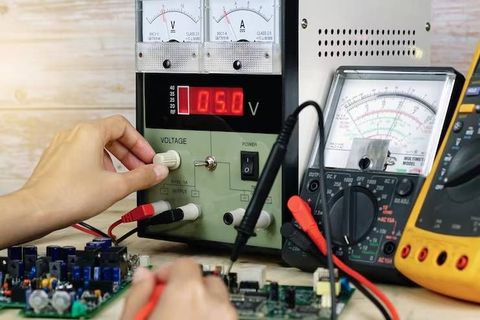
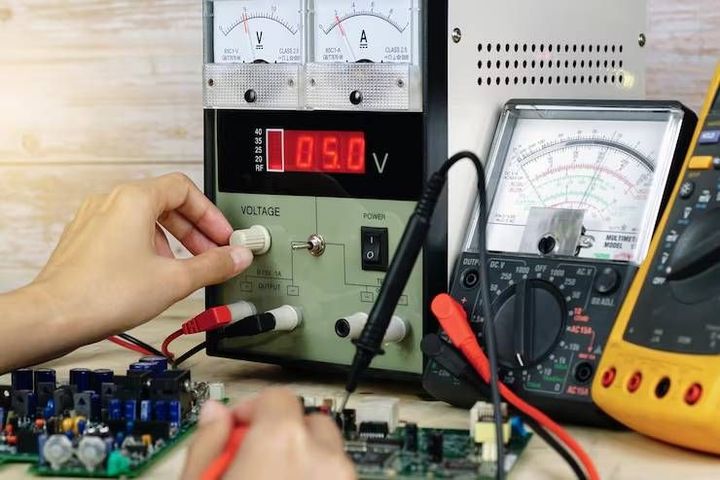
Transformer testing equipment includes portable instruments, specialized test sets, and automated systems designed for particular measurements. Some instruments perform basic electrical checks, while others apply controlled test signals or voltages to examine specific properties.
Common equipment includes:
Transformer turns ratio tester: Measures the relationship between primary and secondary winding turns through the corresponding voltage ratio.
Winding resistance meter: Measures the resistance of transformer windings to identify irregularities or changes in electrical connections.
Insulation resistance tester: Evaluates insulation resistance between windings and between windings and earth.
Power factor or dissipation factor test set: Assesses dielectric losses that may indicate changes in insulation condition.
Transformer winding analyzer: Examines winding characteristics, including responses to controlled electrical signals.
Oil testing instruments: Evaluate properties of insulating oil, including moisture content, dielectric strength, or dissolved gases, depending on the instrument.
Each instrument addresses a different aspect of transformer condition. No single test can establish every aspect of transformer health, so test selection depends on the equipment type, operating history, and purpose of the assessment.
Importance
Transformer testing matters because transformers are essential components of electricity transmission, distribution, renewable energy installations, and industrial power systems. A transformer fault can interrupt production, affect electricity supply, damage connected equipment, or create electrical and fire hazards.
Testing helps identify developing problems before they lead to more serious failures. It also provides measurements that can be compared with factory records, commissioning results, previous maintenance reports, and manufacturer specifications. These comparisons are often more informative than evaluating an isolated reading.
Common Transformer Test Methods
Different test methods examine different electrical or physical characteristics.
Turns ratio testing: Checks whether the measured voltage relationship between windings corresponds to the expected ratio.
Winding resistance testing: Measures conductor and connection resistance, helping identify issues such as poor contacts or winding changes.
Insulation resistance testing: Measures resistance across specified insulation paths under a controlled test voltage.
Insulation power factor testing: Examines dielectric losses that may increase with moisture, contamination, or insulation deterioration.
Short-circuit impedance and load-loss testing: Evaluates impedance and losses associated with current flowing through transformer windings under defined test conditions.
No-load loss testing: Measures power drawn when a transformer is energized under specified conditions without supplying its normal load.
Sweep frequency response analysis (SFRA): Compares a winding's electrical response across a range of frequencies to investigate possible mechanical movement or deformation.
Dissolved gas analysis (DGA): Examines gases dissolved in insulating oil to help identify certain electrical or thermal faults.
Test results require context. Temperature, test connections, instrument accuracy, transformer design, and previous measurements can influence interpretation.
Transformer Testing Instruments and Their Uses
The table below summarizes typical equipment and the measurements associated with it.
| Equipment | Main measurement | Typical purpose |
|---|---|---|
| Turns ratio tester | Voltage ratio | Check winding ratio and tap connections |
| Winding resistance meter | Winding resistance | Assess winding and connection condition |
| Insulation resistance tester | Insulation resistance | Examine insulation paths |
| Power factor test set | Dielectric loss factor | Assess insulation condition |
| SFRA analyzer | Frequency response | Investigate possible winding movement |
| Oil dielectric tester | Oil breakdown voltage | Evaluate one aspect of insulating oil condition |
| Transformer test system | Selected electrical parameters | Conduct multiple defined tests |
Equipment selection depends on transformer voltage class, rating, construction, test requirements, and applicable safety procedures. Instruments must also have suitable measurement ranges and calibration status.
Factors That Affect Test Results
Several factors influence transformer testing results. Winding temperature can affect resistance measurements, while moisture, contamination, and insulation aging can influence dielectric measurements. Incorrect connections, inadequate grounding, electrical interference, and unsuitable test settings can also produce misleading readings.
Reliable assessment therefore depends on consistent procedures and documented conditions. Comparing measurements taken under similar conditions helps distinguish meaningful changes from differences caused by the test setup.
Recent Updates
Transformer testing has increasingly incorporated digital instruments, automated test sequences, electronic reporting, and condition-monitoring technologies. During 2024–2026, broader developments in power networks, renewable energy integration, grid modernization, and asset management have increased the importance of evaluating transformer condition throughout its operating life. The adoption of particular technologies varies by utility, manufacturer, and region.
Digital and Automated Testing Systems
Modern transformer test systems can combine several measurement functions in one platform. Depending on the equipment, software may guide technicians through test sequences, record readings, identify inconsistent measurements, and generate reports for later comparison.
Digital records make it easier to compare factory acceptance tests, commissioning measurements, and periodic maintenance results. However, automated analysis depends on correct test setup, appropriate reference data, and suitable interpretation by qualified personnel.
Online Monitoring and Condition Assessment
Some transformers use sensors to monitor parameters such as temperature, dissolved gases, moisture, load, and selected electrical characteristics. Monitoring systems can help identify changes between scheduled inspections, particularly in installations where continuous operation is important.
Online monitoring does not replace every offline diagnostic test. Certain measurements require the transformer to be isolated, de-energized, or tested using specialized procedures. The appropriate approach depends on the parameter being evaluated and the manufacturer's instructions.
Testing for Modern Power Networks
Renewable energy installations, electric vehicle infrastructure, industrial electrification, and changing load patterns place varied operating demands on electrical equipment. Transformer assessment may therefore include closer attention to loading history, temperature patterns, insulation condition, and the effects of switching operations.
These developments do not mean that every transformer requires the same testing program. Testing intervals and methods should reflect equipment specifications, operating conditions, risk assessments, and applicable maintenance requirements.
Laws or Policies
Transformer testing is influenced by electrical safety rules, technical standards, workplace requirements, and the regulations applicable to the installation. Requirements vary by country, transformer type, voltage level, and intended use. Technical standards provide defined test methods and acceptance criteria, while legal rules establish relevant safety and compliance obligations.
Transformer Testing Standards in India
In India, relevant standards may include those issued by the Bureau of Indian Standards (BIS), along with applicable Central Electricity Authority (CEA) regulations and other electrical safety requirements. The applicable documents depend on the equipment and activity.
The IS/IEC 60076 series addresses power transformers and includes requirements and test methods for different transformer characteristics. IEC 60076-1 covers general requirements, while other parts address particular subjects, such as temperature rise, dielectric testing, and sound levels. The applicable edition and any corresponding Indian adoption should be verified for the specific project.
Electrical Safety and Test Procedures
Transformer testing can involve hazardous voltages, stored electrical energy, induced voltages, and potentially dangerous fault currents. Work must follow approved isolation procedures, lockout and tagging practices where applicable, appropriate earthing arrangements, and the instrument manufacturer's instructions.
Before a test begins, personnel should establish the equipment's electrical state, identify connected circuits, confirm suitable test leads and ratings, and control access to the test area. After testing, the equipment may require discharge and verification of safe conditions before connections are removed or work resumes.
Acceptance limits should not be assumed to be identical for all transformers. Test reports should identify the transformer, test method, instrument details, conditions, measured values, and the criteria used to assess the results.
Tools and Resources
Several technical resources help users understand transformer test methods, instrument capabilities, and reporting requirements. Their relevance depends on whether the user is studying transformer fundamentals, planning maintenance, conducting factory testing, or reviewing test results.
Standards and Technical References
The International Electrotechnical Commission (IEC) publishes standards covering transformer design and testing. The Bureau of Indian Standards provides information on Indian standards and their applicability. The Central Electricity Authority publishes regulations and technical requirements relevant to electricity systems in India.
Manufacturer manuals and technical data sheets explain instrument connections, measurement ranges, test limitations, calibration requirements, and operating procedures. These documents are important because two instruments designed for similar measurements may use different procedures or have different capabilities.
Test Planning and Reporting Tools
A transformer testing checklist can record equipment identification, test purpose, isolation status, instrument details, environmental conditions, and measured values. A structured report can also include previous readings, acceptance criteria, observations, and any follow-up assessment.
Spreadsheet tools can organize historical results and display changes in winding resistance, insulation measurements, or oil-test values. Trends should be interpreted alongside temperature, load history, test conditions, and manufacturer guidance rather than treated as standalone proof of a fault.
Practical Test Preparation
Before testing, personnel generally verify the following:
Transformer identification, nameplate data, winding configuration, and tap position.
Applicable test procedures and acceptance criteria.
Instrument suitability, calibration status, and condition of test leads.
Required isolation, earthing, discharge, and access controls.
Environmental conditions that may affect measurements.
Recording arrangements for results, observations, and follow-up actions.
These preparation steps support consistent records and help reduce avoidable measurement errors.
FAQs
What is transformer testing equipment used for?
Transformer testing equipment measures electrical characteristics and evaluates aspects of insulation, winding condition, losses, and operating performance. The selected instruments depend on the test objective and transformer design.
Which transformer test methods are commonly used?
Common methods include turns ratio testing, winding resistance measurement, insulation resistance testing, power factor testing, SFRA, and oil analysis. Each method investigates a different characteristic or potential fault.
How does a transformer turns ratio tester work?
A turns ratio tester applies a controlled test signal and measures the relationship between the windings. The result is compared with the expected ratio, taking winding configuration and tap position into account.
Which standards apply to transformer testing in India?
Relevant requirements may include the IS/IEC 60076 series, applicable BIS standards, and CEA regulations. The exact requirements depend on transformer type, installation, and the testing activity.
How often should a transformer be tested?
Testing frequency depends on manufacturer guidance, operating conditions, equipment age, criticality, previous findings, and applicable rules. There is no single interval suitable for every transformer.
Conclusion
Transformer testing equipment helps assess electrical characteristics, insulation condition, winding integrity, and selected performance factors. Different instruments and test methods provide complementary information, while consistent procedures and documented conditions support meaningful comparisons. Applicable technical standards and electrical safety requirements influence how tests are performed and interpreted. Digital reporting and condition monitoring are expanding the ways transformer data can be collected and evaluated.