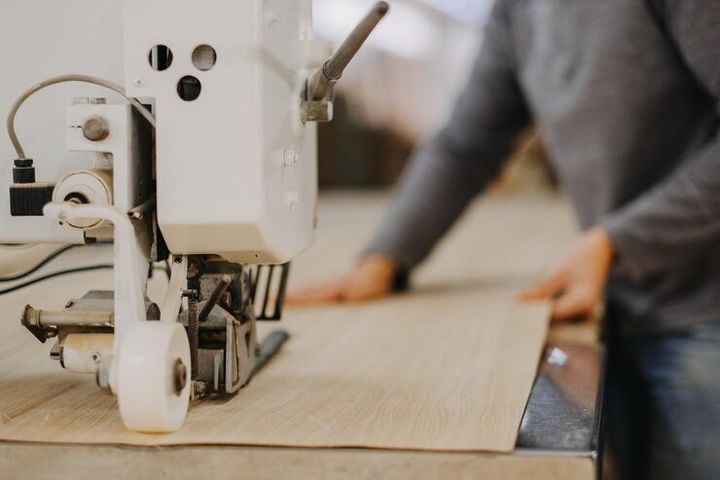
Wardrobe Fitting Assembly Lines Explained: Types, Components, Processes, Applications and Features
Wardrobe fitting assembly lines are organized production systems used to assemble wardrobes and related storage furniture from prepared panels, fittings, hardware, and other components. Instead of completing every unit at one workstation, the production process is divided into stages such as component preparation, drilling, hardware installation, frame assembly, door fitting, inspection, and packaging.
The development of wardrobe fitting assembly lines is closely connected with the growth of modular furniture and panel-based manufacturing. Modern wardrobes may contain engineered wood panels, laminated boards, metal frames, hinges, drawer systems, handles, sliding mechanisms, shelves, and adjustable fittings. An assembly line helps arrange these different components into a repeatable sequence.
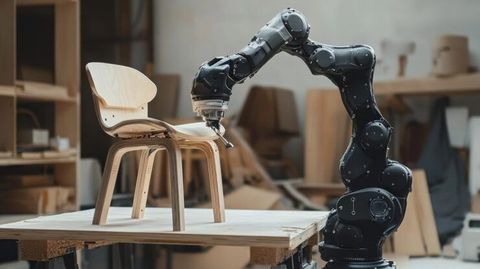
The exact arrangement varies according to wardrobe design, production volume, available floor space, and the level of automation. Some lines rely mainly on manual workstations, while others integrate conveyors, pneumatic tools, automatic drilling equipment, sensors, barcode systems, and robotic handling.
Importance
Wardrobe production involves many separate fitting operations. Doors must align with cabinet frames, hinges must be positioned correctly, drawers need suitable clearances, and shelves or internal accessories must fit their intended locations. A structured assembly process helps organize these activities and provides defined inspection points.
For manufacturers, assembly lines can also make production planning easier because each stage has a defined purpose. For workers, clearly arranged stations can reduce unnecessary movement and help separate tasks according to equipment, materials, and skills.
Wardrobe fitting assembly lines are relevant to several types of furniture production, including:
- Modular wardrobe manufacturing
- Built-in storage furniture
- Bedroom furniture production
- Office storage systems
- Retail display cabinets
- Kitchen and household cabinet production
- Customized panel furniture
The system also matters to consumers because the quality of assembly can affect door alignment, drawer movement, structural stability, appearance, and long-term usability.
Production challenges addressed
A wardrobe may contain dozens or hundreds of individual components depending on its design. Without an organized process, missing hardware, incorrect drilling, inconsistent fitting, or poor sequencing can interrupt production.
Assembly lines address these challenges by dividing the workflow into controlled stages. Identification labels, work instructions, inspection points, and component trays can help workers verify that the correct parts are used at each stage.
Recent Updates
From 2024 through 2026, furniture manufacturing has continued moving toward greater use of digital production planning, automated material handling, computer-controlled equipment, and data-based quality monitoring. These developments are particularly relevant to panel furniture because many cutting, drilling, edge-processing, and fitting operations can be connected within a coordinated production workflow.
Digital production systems can connect design information with manufacturing equipment. Computer-aided design files may be used to generate production information, while barcode or identification systems can help match individual panels with their corresponding wardrobe configuration.
Automation is also becoming more modular. Instead of replacing an entire production line, manufacturers can integrate individual automated stations for drilling, hinge insertion, drawer assembly, screw fastening, or inspection. This approach allows different levels of automation to be used within the same facility.
Material handling is another area of development. Conveyors, lift tables, guided carts, sensors, and automated handling equipment can move panels between stages while reducing manual carrying. These systems are increasingly combined with digital production monitoring.
BIS continues to develop and revise Indian Standards across manufacturing and engineering fields, while its current standards platform provides access to published standards, standards under development, and revised standards.
Recent furniture-material developments also include updated standards for engineered wood products. For example, BIS lists IS 12823:2025 for prelaminated medium-density particle boards made from wood and other lignocellulosic materials.
Current technology trends
Several technologies are increasingly relevant to wardrobe fitting assembly lines:
- Computer-controlled drilling and machining
- Barcode and digital component identification
- Automated screw fastening
- Pneumatic and electric fastening tools
- Conveyor-based material movement
- Vision-assisted inspection
- Production monitoring software
- Modular automation stations
- Ergonomic lifting equipment
These technologies do not necessarily appear together in every production facility. Their use depends on product variety, production volume, factory layout, and technical requirements.
Laws or Policies
In India, wardrobe manufacturing facilities can be affected by occupational safety and workplace regulations. The Occupational Safety, Health and Working Conditions Code, 2020 establishes a framework covering occupational safety and health and defines establishments and factories according to specified conditions. The Ministry of Labour and Employment continues to publish information and rules relating to the labour codes, including occupational safety requirements.
Furniture manufacturers may also need to consider applicable Indian Standards for materials, components, machinery, electrical equipment, and related products. BIS explains that Indian Standards are developed through technical committees involving relevant stakeholders and are generally aligned with applicable international standards where appropriate.
BIS certification is not automatically mandatory for every product. According to BIS, certification is generally voluntary unless a product has been brought under compulsory certification by the Central Government under applicable legislation. Manufacturers should therefore identify the standards and regulatory requirements relevant to their particular products and equipment.
Workplace safety requirements can include machine guarding, safe equipment operation, appropriate protective measures, training, ventilation, emergency arrangements, and procedures for handling machinery. Exact obligations depend on the facility, equipment, workforce, state requirements, and applicable rules.
Because regulations can change, manufacturers should refer to current government notifications and applicable Indian Standards when establishing or modifying an assembly facility.
Tools and Resources
Several tools can help with planning, operating, and studying wardrobe fitting assembly lines. The appropriate combination depends on the production process and level of automation.
Design and production planning tools
Computer-aided design software can be used to create wardrobe layouts, panel dimensions, drilling locations, hardware positions, and assembly drawings. Manufacturing planning software can then help organize production sequences and component information.
Measuring and inspection equipment
Common inspection tools include measuring tapes, digital calipers, angle gauges, height gauges, torque tools, and alignment fixtures. These tools can help verify dimensions, hole positions, fastener settings, and component alignment.
Assembly equipment
Typical equipment includes:
- Electric or pneumatic screwdrivers
- Drill and boring systems
- Hinge insertion equipment
- Drawer assembly fixtures
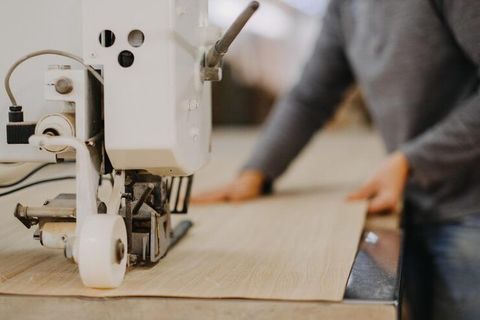
- Edge-processing equipment
- Clamping fixtures
- Conveyor systems
- Lift tables
- Component identification scanners
- Inspection stations
Digital references
The BIS website provides access to Indian Standards, standards under development, revised standards, technical information, and related conformity-assessment resources. Its “Know Your Standard” facility can be used to search standards by number or keyword.
Manufacturing teams may also use production checklists, assembly drawings, preventive-maintenance records, inspection sheets, digital work instructions, and component identification systems.
Typical assembly-line stages
| Assembly stage | Main activity | Common equipment or resource |
|---|---|---|
| Component preparation | Panels and fittings are identified | Labels, scanners, racks |
| Hardware preparation | Hinges, screws and fittings are organized | Trays, bins, fixtures |
| Drilling and fitting | Holes and fitting points are checked | Drills, boring machines |
| Frame assembly | Panels are joined | Clamps, screwdrivers |
| Internal fitting | Shelves and drawer systems are installed | Fixtures, hand tools |
| Door installation | Hinged or sliding doors are mounted | Alignment tools |
| Inspection | Dimensions and movement are checked | Gauges, checklists |
| Final preparation | Completed units are prepared for movement | Protective materials, handling equipment |
FAQs
What are wardrobe fitting assembly lines?
Wardrobe fitting assembly lines are organized production systems in which wardrobe components move through defined stages for fitting, joining, alignment, inspection, and final preparation.
What components are used in wardrobe fitting assembly lines?
Common components include cabinet panels, shelves, drawers, hinges, handles, screws, brackets, drawer slides, sliding-door systems, rails, connectors, and adjustable fittings.
How does automation work in wardrobe fitting assembly lines?
Automation can be applied to drilling, component identification, screw fastening, material movement, inspection, and other repetitive operations. Individual automated stations can also be combined with manual workstations.
What equipment is used for wardrobe fitting assembly?
Equipment may include drilling machines, fastening tools, assembly fixtures, conveyors, lift tables, measurement tools, scanners, and inspection systems. The exact equipment depends on the wardrobe design and production process.
What Indian rules affect wardrobe assembly facilities?
Workplace operations may be affected by India's occupational safety framework, applicable state rules, and relevant Indian Standards. The exact requirements depend on the facility, machinery, workforce, and products involved.
Conclusion
Wardrobe fitting assembly lines organize the conversion of prepared panels, hardware, and fittings into completed storage furniture through a sequence of defined production stages. Their structure can range from manual workstations to systems incorporating automated drilling, fastening, material handling, identification, and inspection technologies. Current manufacturing trends emphasize digital production information, modular automation, and organized quality checks. In India, workplace safety requirements and applicable standards should be considered when designing and operating such production facilities.