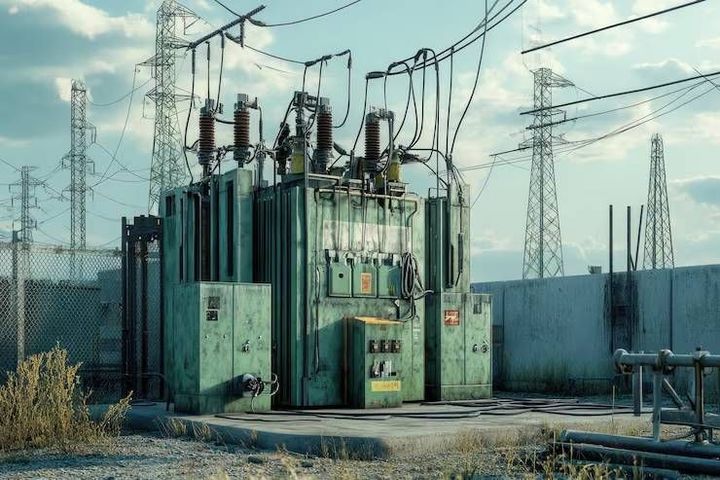
High-Voltage Industrial Transformers Explained: Types, Components, Applications, Benefits and Safety
High-voltage industrial transformers are electrical devices that transfer electrical energy between circuits while changing voltage levels. They are essential parts of power transmission networks, manufacturing facilities, power stations, and large industrial buildings. By increasing voltage for transmission and reducing it for suitable equipment, these transformers help electricity move efficiently from generation points to the places where it is used.
Context
High-voltage industrial transformers are electrical devices that transfer electrical energy between circuits while changing voltage levels. They are essential parts of power transmission networks, manufacturing facilities, power stations, and large industrial buildings. By increasing voltage for transmission and reducing it for suitable equipment, these transformers help electricity move efficiently from generation points to the places where it is used.
The development of transformer technology made large-scale alternating-current electricity distribution practical. A transformer generally operates through electromagnetic induction, in which a changing electric current in one winding produces a magnetic field that induces voltage in another winding. High-voltage industrial transformers are designed to handle electrical conditions that require specialized insulation, cooling arrangements, monitoring systems, and protective equipment.
Understanding High-Voltage Industrial Transformers
A transformer usually contains two or more windings placed around a magnetic core. The primary winding receives electrical energy, while the secondary winding transfers energy at a different voltage level. The actual voltage relationship depends mainly on the number of turns in the windings and the electrical supply conditions.
High-voltage transformers are used in applications where electricity must be transmitted over distances or supplied to equipment operating at elevated voltage levels. The exact voltage range described as high voltage can vary according to industry standards and local electrical regulations.
Common transformer arrangements include power transformers used in transmission networks, distribution transformers supplying local electrical systems, and specialized industrial transformers designed for furnaces, heavy machinery, or other demanding loads.
Importance
High-voltage industrial transformers are important because electricity generation, transmission, and industrial consumption often require different voltage levels. Power stations may generate electricity at one voltage, transmission networks operate at higher voltages, and industrial equipment may require lower or specialized voltages. Transformers connect these stages and help maintain suitable electrical conditions.
Their operation affects factories, mines, transport systems, commercial buildings, data centers, and utility networks. Transformer faults can interrupt production, affect connected equipment, and create electrical hazards. Proper design, installation, inspection, and protection therefore play an important role in maintaining electrical reliability.
Main Types of High-Voltage Industrial Transformers
Different transformer designs serve different operating conditions and electrical requirements.
Power transformers: Used in generation and transmission networks to transfer large amounts of electrical energy between voltage levels.
Distribution transformers: Reduce voltage for local distribution systems and connected consumers.
Oil-immersed transformers: Use insulating liquid for electrical insulation and heat transfer. Their design requires appropriate fire prevention, leak control, and environmental precautions.
Dry-type transformers: Use solid insulation and air-based or other specified cooling arrangements rather than a liquid-filled main tank. They are used in selected indoor and industrial environments.
Autotransformers: Use a winding arrangement with a shared electrical section. They can be suitable for certain voltage conversion applications, but they do not provide the same electrical isolation as conventional two-winding transformers.
Furnace and rectifier transformers: Designed for specialized industrial loads, such as electric furnaces or equipment that converts alternating current into direct current.
The appropriate type depends on voltage, power capacity, load behavior, installation location, environmental conditions, and required protection.
Major Transformer Components
A high-voltage transformer contains several components that work together to transfer electricity and control heat.
The magnetic core provides a path for magnetic flux. The windings carry electrical current and establish the voltage relationship. Insulation separates electrically active parts and helps prevent short circuits or breakdown.
Other components depend on the transformer design and may include:
Insulating liquid or solid insulation: Provides electrical separation and, in liquid-filled designs, helps transfer heat.
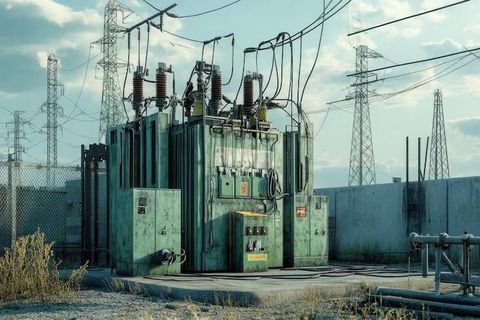
Bushings: Allow electrical conductors to pass through grounded barriers such as the transformer tank.
Cooling equipment: May include radiators, fans, pumps, or other arrangements for removing heat.
Tap changer: Adjusts the effective winding ratio to help regulate output voltage within the equipment's design limits.
Protective and monitoring devices: Detect selected abnormal conditions, such as excessive temperature, gas accumulation, pressure changes, or electrical faults.
Tank and enclosure: Protect internal components and provide structural support.
Not every transformer includes every component. The configuration depends on its rating, construction, operating environment, and intended application.
How a High-Voltage Transformer Works
When alternating current enters the primary winding, it creates a changing magnetic field in the core. This changing field induces voltage in the secondary winding through electromagnetic induction. The voltage ratio is approximately related to the ratio of the number of turns in the two windings.
For example, a transformer with a higher secondary winding voltage than its primary winding voltage is called a step-up transformer. A step-down transformer produces a lower secondary voltage than its primary voltage. Transformers generally operate with alternating current, and their performance depends on design, loading, frequency, insulation condition, and cooling.
Recent Updates
Recent developments in high-voltage industrial transformers have focused on improving monitoring, energy efficiency, insulation materials, manufacturing capacity, and integration with modern electrical networks. During 2024–2026, electricity demand associated with industrial expansion, renewable energy projects, electrification, and data center development has increased attention on transformer availability and grid equipment planning. The effects vary by region and project.
Digital Monitoring and Smart Transformers
Some modern transformers incorporate sensors and digital monitoring systems that measure operating conditions such as temperature, load, moisture, and selected electrical characteristics. Monitoring equipment can help operators identify unusual patterns and plan maintenance according to observed conditions.
Data analysis tools may also help estimate equipment condition and detect developing faults. However, these systems do not eliminate the need for physical inspections, electrical testing, or qualified technical assessments. Their usefulness depends on sensor quality, data interpretation, communication systems, and the maintenance procedures in place.
Energy Efficiency and New Grid Requirements
Transformer design continues to address electrical losses, heat management, material use, and operational reliability. Manufacturers and utilities evaluate core materials, winding designs, insulation systems, and cooling methods to meet applicable efficiency and performance requirements.
Renewable energy installations and changing electricity flows can also affect transformer planning. Solar and wind projects may require transformers suitable for variable generation, grid connection requirements, and specific operating conditions. In parallel, aging electrical infrastructure has increased attention on replacement planning, equipment lead times, and asset condition monitoring.
Laws or Policies
High-voltage industrial transformers are subject to technical standards, electrical safety rules, environmental requirements, and utility specifications. Applicable requirements depend on the country, installation type, voltage level, and whether the transformer forms part of a public electricity network or a private industrial facility.
Transformer Standards and Electrical Safety in India
In India, the Bureau of Indian Standards publishes relevant Indian Standards for electrical equipment, including transformer-related requirements. Depending on the equipment and application, standards may address ratings, temperature rise, insulation coordination, testing, performance, and construction. The applicable standard and edition should be confirmed for the particular project.
The Electricity Act, 2003, provides a broader legal framework for electricity generation, transmission, distribution, and use. Electrical installations are also affected by applicable Central Electricity Authority regulations, including safety requirements for electrical installations and equipment. State authorities, electrical inspectors, and utilities may impose additional requirements within their legal responsibilities.
Environmental and Operational Requirements
Oil-filled transformers require attention to insulating-liquid handling, spill prevention, fire safety, and disposal procedures. Environmental obligations depend on the substance involved, the quantity, the location, and applicable waste-management rules. Equipment containing regulated substances may require additional controls.
Industrial facilities generally need suitable earthing, protective relays, circuit breakers, isolation arrangements, warning signs, and access restrictions appropriate to the installation. Testing, commissioning, maintenance, and repairs should be performed by qualified personnel following applicable procedures. Specific requirements must be determined from the current rules, technical standards, and project documentation.
Tools and Resources
Several technical resources help engineers, facility managers, and students understand high-voltage industrial transformers. Their usefulness depends on the user's technical knowledge and the purpose of the assessment.
Transformer Calculators and Technical References
Transformer calculators can estimate voltage, current, turns ratio, and apparent power using specified electrical values. For an ideal single-phase transformer, apparent power is calculated as voltage multiplied by current. Three-phase systems require the appropriate relationship between line voltage, phase voltage, and current.
Useful references include the Bureau of Indian Standards for Indian Standards information, the Central Electricity Authority for applicable electricity regulations, and the International Electrotechnical Commission for international electrical standards. Manufacturer technical manuals can also explain equipment ratings, cooling classifications, insulation arrangements, and maintenance requirements.
Inspection and Monitoring Resources
Transformer inspection records can track temperature readings, oil test results where applicable, insulation measurements, load history, unusual noise, leakage, and protective-device events. Digital monitoring platforms may combine selected measurements to help identify changes in operating conditions.
A basic equipment record may include the transformer identification number, rated voltage, rated capacity, installation location, inspection date, test results, and maintenance history. These records support maintenance planning but do not replace professional interpretation or required electrical tests.
Common Transformer Performance Terms
| Term | Meaning |
|---|---|
| Voltage rating | Specified electrical voltage for a winding or connection |
| kVA or MVA rating | Rated apparent power capacity |
| Turns ratio | Relationship between primary and secondary winding turns |
| Efficiency | Ratio of useful output power to input power |
| Impedance | Electrical characteristic that affects voltage drop and fault current |
| Temperature rise | Increase in equipment temperature above a stated reference temperature |
| Insulation level | Specified ability of insulation to withstand electrical stress |
These terms help describe transformer performance, but equipment selection also depends on load characteristics, fault levels, installation conditions, and applicable standards.
FAQs
What are high-voltage industrial transformers used for?
High-voltage industrial transformers transfer electrical energy between voltage levels in power networks, manufacturing plants, mines, and large facilities. They help supply electricity at levels suitable for transmission or particular industrial applications.
What are the main types of high-voltage industrial transformers?
Common types include power, distribution, oil-immersed, dry-type, autotransformer, furnace, and rectifier transformers. Their suitability depends on voltage requirements, load characteristics, installation conditions, and electrical isolation needs.
How do high-voltage industrial transformers work?
They use electromagnetic induction to transfer energy between windings through a magnetic core. The winding ratio determines the approximate relationship between primary and secondary voltages.
What safety measures are important for high-voltage transformers?
Important measures include suitable insulation, protective relays, circuit breakers, earthing, restricted access, temperature monitoring, and regular inspection. Installation and maintenance require qualified personnel and compliance with applicable electrical safety rules.
How is high-voltage transformer efficiency assessed?
Efficiency is assessed by comparing useful output power with input power under specified operating conditions. Core losses, winding losses, loading, temperature, and auxiliary cooling equipment can affect overall performance.
Conclusion
High-voltage industrial transformers connect different stages of electrical generation, transmission, distribution, and industrial use. Their types, components, cooling arrangements, and protective systems vary according to electrical requirements and operating conditions. Digital monitoring and energy-efficiency improvements are influencing transformer design and maintenance practices. Technical standards, environmental rules, and electrical safety regulations provide an important framework for their installation and operation.

You May Also Like